
Marketing1on1: Expert Google Business Suspension Fix
“In the middle of difficulty lies opportunity.” — Albert Einstein
If your Google Business Profile (GBP) listing is suspended, your local presence can drop suddenly. Marketing1on1 provides a rapid, fully documented suspension fix. Their goal is to recover suspended listings and regain Local Pack visibility.
Leveraging real-world tactics from experts including Tom Nguyen, Marketing1on1 delivers reinstatement programs. They’re built for relocations and policy-related suspensions. Their service model emphasizes speed and warranty-backed results.
Marketing1on1 pairs thorough auditing with data-backed appeals. As a result, clients get verifiable recovery for how can I advertise my business on Google. For many small businesses, these reinstatement services are the difference between lost leads and steady local traffic.
Why GMB/GBP Suspensions Occur and Their Local Impact
GMB/GBP suspensions often arrive with no notice, hurting sustained visibility. Small businesses see a big drop in traffic when their listings are suspended. They require support to understand issues and return online.
Frequent causes include mismatched business details, using too many keywords in the name, duplicate or merged listings. Improper virtual offices can prompt suspensions. Relocations and mis-set profiles frequently lead to suspensions.
The visibility drop undermines local search. Without Local Pack placement, clicks and map discovery decline. Many verticals experience notable declines in inquiries and calls.
Local lead pipelines are hit quickly. Suspension brings fewer calls, fewer visits, and fewer prospects. Reinstatement efforts prioritize fast lead recovery.
Regular checks can prevent suspensions and make fixing them faster. Verify NAP and citations to surface early risks. Appeals succeed with organized evidence and clear remediation.
Marketing1on1’s Diagnostic Workflow for Suspensions
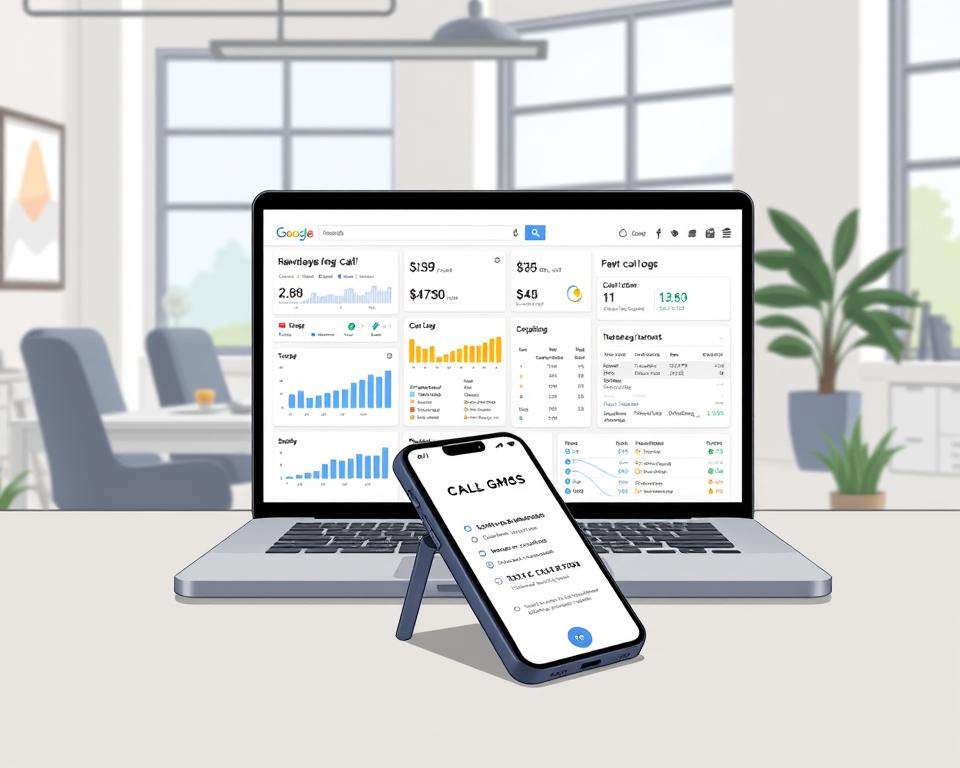
First step: compile comprehensive listing data. They look at the history, recent changes, and any Google alerts. They move quickly to remediate and protect visibility.
Step 1: Account and Listing Audit
They verify correct ownership of the Google account. User roles and recovery paths are reviewed. They also check for duplicate or merged listings that might cause problems.
They log edits around the suspension date. This helps them build a strong case for appeal.
NAP & Citation Consistency Review
They verify identical NAP across all platforms. Mismatches often trigger problems.
The site is reviewed for accurate location/contact info. This reduces surprises during appeal.
Using case history and evidence to identify root causes
They analyze Google communications and prior suspensions. They evaluate location and brand changes. These inputs shape the reinstatement plan.
They maintain an organized case dossier. It accelerates diagnosis and reinstatement planning.
A Practical Reinstatement Plan for Suspended Listings
A clear plan is essential after suspension. The team starts by gathering facts. Follow with targeted corrections and a precise appeal. This flow improves reviewer clarity.
Documentation & Evidence Prep
First, collect government IDs, business licenses, and signed lease records. Include time-stamped exterior photos. This evidence underpins your appeal.
Policy Remediation on Profile and Site
Then remediate profile violations. Update the business name, phone, and address to match the website and local citations. Remove promo text and merge/remove duplicates. Update schema/structured data for verification.
Timing and sequencing of edits before filing an appeal
Do significant fixes, then pause 48–72 hours. Avoid making many changes quickly to prevent more reviews. Then assemble your dated timeline and evidence.
This method follows local SEO best practices. It balances speed with accuracy to help businesses regain visibility. Executed well, it improves reinstatement odds and turnaround.
Filing a Strong Appeal with Google
An effective Google appeal relies on clarity and evidence. Use policy terms and list corrective actions plainly. Marketing1on1 suggests making a single, well-organized packet. It improves reviewer efficiency.
Crafting a clear, policy-focused appeal message
Begin with a brief introduction that mentions the policy and the changes you’ve made. Avoid emotional or subjective language. Enumerate specific steps (hours, content, categories). Write for quick reviewer scanning.
Providing Proof and Documentation
Provide ownership evidence. Useful items are business licenses, utility bills, and lease agreements. Also, add clear photos of your exterior signage. Show evidence that links your website domain to your business, like an invoice or admin screenshot. Consistently label attachments.
Tracking appeal status and follow-up communications
Track dates, IDs, and replies. Centralize follow-up ownership. If you don’t hear back in time, send a polite reminder that mentions your original appeal and any new evidence.
- Keep it brief and compliant.
- Attach clear, relevant documents that prove ownership and address the violation.
- Document all steps to streamline any re-appeal.
Agencies and consultants often use a clear appeal submission along with ongoing Google My Business suspension help. A well-organized packet, timely tracking, and targeted follow-ups increase your chances of success. This simplifies the overall process.
Reinstatement Services Offered by Marketing1on1
Marketing1on1 offers customized reinstatement services that fit your business’s needs and risk level. They have packages ranging from full management to advisory support for your team. The goal is fast reinstatement and prevention.
End-to-End Appeal Handling
A turnkey option covers all steps. Audit → evidence → fixes → appeal drafting. Ideal for relocations, multi-listing scenarios, or legal shifts.
Partial support: audits, fixes, and coaching for internal teams
Advisory tiers focus on key gaps. Teams get coaching on edits and appeals. You stay hands-on with expert guardrails.
Ongoing Prevention Programs
Post-reinstatement, they recommend monitoring. Plans include periodic audits, alerts, and site checks. This helps keep your listing safe and catches problems early to avoid another suspension.
- Tiered warranties and response-time commitments match client expectations for rapid action and accountability.
- Automations with human review keep citations consistent.
- Regular reporting keeps leadership informed of status, risks, and recommended next steps.
Real Results & Case Studies
Case studies outline recovery steps and outcomes. Stories detail actions, timelines, and KPIs.
Recovered Listing Examples
A case featuring Tom Nguyen stands out. A relocation triggered suspension. An audit found address and website issues. Corrections were made and an appeal followed. Within weeks, visibility returned.
Moves and Complex Changes
One provider updated areas and numbers. The team tracked and updated every listing. They added operational proof. The listing was reinstated quickly, once everything matched Google’s rules.
Visibility & Lead Growth
After recovery, key metrics climbed. Local presence, calls, and traffic rose. Improvements tied to remediation.
Clients visualize improvements. They track rankings, calls, and leads. It guides continuous improvement.
- Appeal timing/content logged for faster resolution.
- Evidence of citation cleanup and website corrections.
- Comparative KPIs confirm recovery.
Examples map out repeatable steps. They illustrate both recovery and tracking. This guides smarter local optimization.
Recovery Pitfalls and How to Avoid Them
Reinstating a GBP requires a measured, careful approach. Rushing and poor documentation hinder success. Minor errors compound into delays.
Watch for these pitfalls that delay reinstatement.
- Submitting vague or incomplete appeals
- Appeals that don’t clearly show who owns the account or don’t offer solutions usually don’t work. Vague notes create ambiguity. This leads to more appeals and more problems.
- Rapid, Repetitive Edits
- Rapid edits to names/addresses/categories trigger flags. Too many quick changes make it hard to find the real problem. This causes more delays and mistakes.
- Overlooking Consistency Problems
- Inconsistent NAP undermines trust. Stuffing keywords into names, using virtual offices, or listing the same business twice are common mistakes. Such gaps reduce approval odds.
Avoid pitfalls with a checklist: log edits, gather IDs/bills, plan sequencing. It cuts friction and raises approval chances.
Reinstatement Best Practices: Tech & Docs
Recovery efforts succeed when documentation and site setup follow clear technical best practices. Gather location-tied proof. Validate site and citations prior to appeal.
Use dated leases, utility bills, and licenses matching the profile. Add signed move notices and timely signage photos. Also, provide official email addresses and direct phone numbers that match the profile.
Keep the website policy-compliant. Include a clear contact page with NAP. Implement LocalBusiness schema and test mobile. Avoid cloaking and show ownership signals.
Keep NAP identical everywhere. Standardize punctuation and suite formats. Log citation changes with timestamps/screens.
- Assemble lease/license and dated photo proof.
- Maintain official email/phone and a contact owner.
- Confirm website items: contact page, LocalBusiness schema, mobile usability.
- Track citation edits with evidence.
These steps increase your reinstatement odds. Clear, consistent records reduce friction and speed outcomes.
How to Prevent Repeat Suspensions
Clear policies and periodic audits keep GBP active. Educate teams on policy do’s and don’ts. It reduces errors during edits and moves.
Use quick, hands-on training. Teach teams to detect risky edits.
Use automation to detect flags. These tools send alerts when Google flags your account. This way, you can act fast and limit visibility damage.
Create an internal change checklist. It should cover steps before updating addresses, phone numbers, or categories. Ensure documentation for moves and quick website checks.
- Quarterly audits to detect citation drift and profile anomalies.
- Pre-change approvals with proof.
- Clear roles for who may post, edit services, or respond to reviews.
Early detection prevents bigger problems. Pair with training for resilience. This helps prevent GMB suspension and keeps your profile active.
From Reinstatement to Broader Local SEO
Marketing1on1 sees fixing a Google Business listing as the first step in a bigger plan. Next, they strengthen local ranking factors. It prevents setbacks and improves visibility.
Aligning GMB reinstatement with citation building and on-site SEO
- They synchronize directory listings with GBP and site. This improves local trust signals.
- They align metadata and content with business data. It clarifies signals for search engines.
- They plan when to submit citations to support the fix timeline and avoid sudden changes that might trigger reviews.
Content & Social Proof After Reinstatement
- They add fresh, verified imagery. Good photos help build trust fast.
- They solicit and respond to reviews promptly. This boosts the profile’s strength.
- They publish steady Google posts about offers/services. This keeps people interested while the listing gets stronger.
Balancing Ads and Organic After Recovery
- They launch PPC to support demand. It sustains pipeline during ramp-up.
- They align landing pages to GBP details and schema. Alignment prevents mixed signals.
- They watch how things are doing and adjust budgets as organic metrics get better. This balances spending and protects the listing’s good standing.
Final Thoughts
Reinstatement is achievable with planning, proof, and speed. Expert guidance often accelerates success. They help especially when a business has moved or has complex issues.
Marketing1on1 delivers audit-to-appeal support. They assemble persuasive, policy-aligned appeals. This strategy drives reinstatement success.
Businesses want fast, clear answers and support after issues are fixed. Marketing1on1 emphasizes fast response and documentation. This helps them get listings back fast, reducing lost time and improving visibility.
Reinstatement is one step in local SEO. Consistency, compliance, and monitoring are foundational. They blend audits, appeals, and SEO for a comprehensive solution.
FAQ
What causes a Google My Business (GMB) suspension and why does it matter?
Violations commonly drive suspensions. Examples include NAP mismatches, keyword-stuffed names, and duplicates. Relocations or major edits can trigger reviews and suspensions.