
Ever wondered how pros can service an individual tap without shutting off water to your entire home? The answer is a small but mighty component many homeowners ignore until it suddenly matters.
Shop For Stop Angle
An angle stop valve serves as a quiet hero in your plumbing system. This essential water shut off valve stays tucked away behind toilets and under vanity cabinets, ready when you need it when leaks strike or repairs are needed. These compact valves regulate water flow with a right-angle path, so they’re great for cramped areas where straight valves don’t work well.
Plumbing angle stops serve as individual control points for each fixture around the house. Rather than turning off water to the entire home, you can control a single fixture for maintenance or emergencies. This straightforward feature can prevent water damage and simplifies DIY fixes.
Understanding what is an angle stop valve and how it works can help you to tackle common plumbing issues. Installation Parts Supply and other major suppliers carry various styles for nearly any plumbing situation. From quarter-turn valves to compression fittings, each style serves a specific purpose in residential and commercial buildings.
This guide walks you through what you need to know about these important plumbing valves. You’ll see the various types, common installation methods, and simple maintenance tips that can save you time and money.
What Is An Angle Stop Valve
A plumbing angle stop serves as a key shutoff valve in both residential and commercial plumbing. These small valves take their name from their L-shaped form, where water comes in through one side and exits at a right angle. Understanding angle stops helps homeowners manage their plumbing more effectively and handle small repairs without calling a plumber.
Definition And Basic Function
Angle stops are specialized shutoff valves that control water flow to individual plumbing fixtures including toilets, sinks, and dishwashers. Unlike a main shutoff valve that control water to the whole home, an angle valve used under a sink offers fixture-level control. So you can service a dripping faucet or replace toilet parts without disrupting water service throughout the house.
How Angle Stop Valves Work
The way angle stops work is based on a simple internal mechanism. When you turn the handle, an internal part moves to stop flow or allow flow. Quarter-turn models use a ball or disc that rotates 90 degrees, and multi-turn models use a washer that lifts off the valve seat. This no-fuss design is why these valves are reliable for decades with very little maintenance.
Key Components Of An Angle Stop
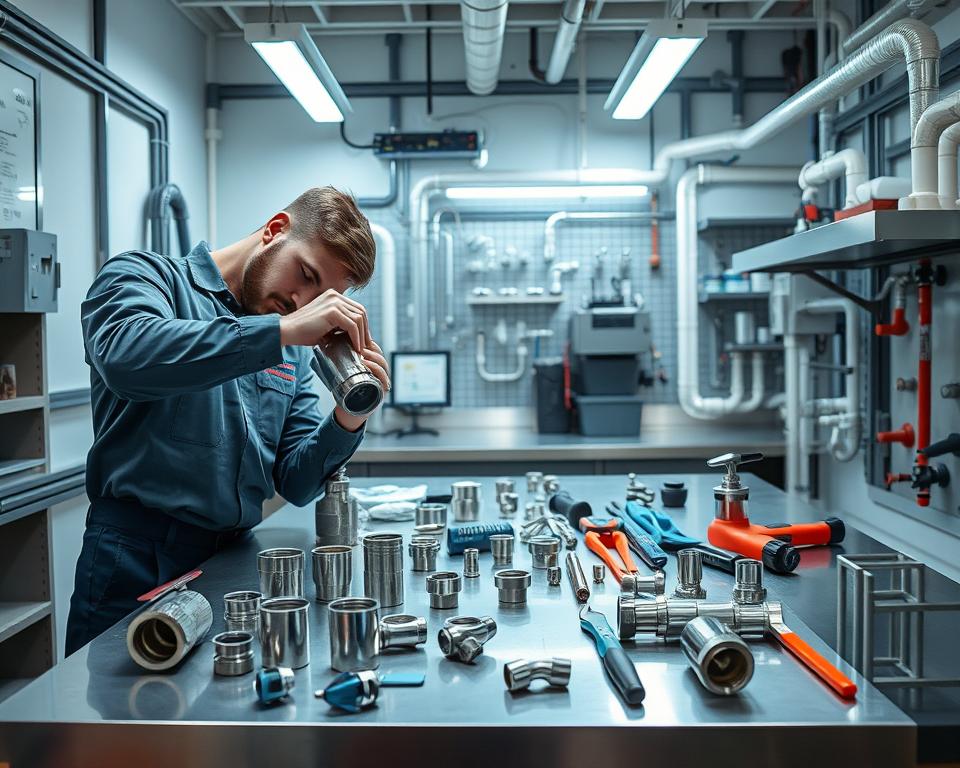
Every angle valve for sink or toilet installation contains several key parts:
- Body: The main housing that ties into the piping
- Handle: The part you rotate to open or close the valve
- Inlet: The entry point from the wall pipe
- Outlet: Connection point for supply lines to fixtures
- Internal cartridge: The ceramic or brass mechanism that controls flow
Types Of Angle Stop Valves
When working with angle stops plumbing, choosing the right valve type can have a big impact in your system’s performance. Different angle valve types offer unique benefits for certain situations. Each design fills a particular role, from rapid shutoff needs to precise flow control.
Quarter Turn Angle Stop
Quarter-turn angle stops operates with only a quarter turn of the handle. This type uses ceramic disc cartridges to deliver smooth operation and long service life. A simple twist provides instant shutoff, which makes it ideal for emergency situations. These valves are great in modern homes where quick shutoff matters.
Multi-Turn Angle Valves
Multi-turn angle valves require several handle rotations to fully open or close. This style provides better control over water flow rates. The gradual adjustment makes them a good fit for applications where you need to fine-tune water pressure. Many older homes often rely on these reliable valves.
Compression Fitting Valves
A compression-type valve attaches to pipes using compression nuts and ferrules. No soldering needed and you don’t need special tools—just tighten the fitting to create a watertight seal. Compression valves remain popular in residential plumbing because they’re easy to install and replace.
Angle Stop Valves With Filters
Some angle stop valves include built-in mesh filters that trap debris before it reaches fixtures. Those filters help protect sensitive appliances like washing machines and dishwashers from sediment-related damage. That integrated design reduces clutter and eliminates the need for separate filter installations.
| Valve Type | Operation | Best Use |
|---|---|---|
| Quarter Turn | 90-degree rotation | Fast shutoff needs |
| Multi-Turn | Multiple rotations | Flow rate control |
| Compression | Compression fitting | Easy DIY installation |
| With Filters | Built-in filtration | Protecting appliances |
Common Applications And Locations
Angle stop valves serve as key control points throughout home plumbing systems. These valves show up in nearly every room with a water fixture, providing easy shutoff access for maintenance and emergencies. From the bathroom to the kitchen, each location requires specific valve placement to ensure proper flow control.
Under Sink Valve Installations
An under sink valve usually comes as a pair under bathroom sinks. The left valve controls hot water and the right controls cold water to your tap. These valves are typically located around 18 inches below the sink rim, directly connected to the supply lines. Common sizes include 1/2 inch for residential use and 3/8 inch outlets for faucet supply tubes.
Toilet Shut Off Valve Placement
Every toilet shut off valve mounts on the wall behind or next to the toilet. This one valve controls the cold-water flow to the toilet tank, usually positioned roughly 6 to 8 inches above the floor. Fast access to this valve helps prevent water damage during toilet repairs or if an overflow happens.
Kitchen Sink Supply Valve Uses
A kitchen sink supply valve typically supports higher demand than bathroom fixtures. Kitchen installations require two valves beneath the cabinet to manage hot and cold lines. They often connect to dishwashers and water filtration systems using extra outlet ports.
Bathroom Water Supply Valve Applications
Each bathroom water supply valve can serve multiple fixtures beyond the sink. Shower valves control temperature mixing, while bidet attachments need dedicated angle stops. Water heaters located in bathrooms need inlet valves that are rated for higher temperature and pressure.
| Location | Number of Valves | Common Size |
|---|---|---|
| Bathroom Sink | 2 | 1/2″ x 3/8″ |
| Toilet | 1 | 1/2″ x 3/8″ |
| Kitchen Sink | 2 | 1/2″ x 3/8″ |
| Dishwasher | 1 | 1/2″ x 3/8″ |
Materials And Construction
The durability and longevity of your plumbing depend greatly on the angle stop valve materials you choose. Different materials offer unique benefits for different uses and budgets. Understanding these options helps you select durable plumbing fixtures that will serve your home reliably for years.
A brass angle valve continues to be the gold standard in home plumbing. This alloy mixes copper and zinc to produce an exceptionally strong material that resists corrosion even in humid bathroom environments. Brass valves handle high water pressure without cracking and stay strong through thousands of cycles. Brass’s natural antimicrobial properties help prevent bacterial growth inside the valve body.
A copper angle stop provides similar durability and excellent heat resistance. Copper builds a protective patina with time that helps protect against corrosion. Plumbers often prefer copper on hot water lines because it handles temperature changes better than some plastic alternatives.
| Material | Lifespan | Cost Range | Best Use |
|---|---|---|---|
| Brass | 20–50 years | $15 to $40 | All applications |
| Copper | 30 to 50 years | $20-$45 | Hot water lines |
| Chrome-plated brass | 15 to 30 years | $10 to $30 | Visible installs |
| Stainless steel | 25–40 years | $25 to $60 | Commercial use |
Typical home installs commonly use 1/2 inch valves that connect straight to supply lines. Smaller 3/8 or 1/4 sizes fit appliances like dishwashers or ice makers. Material compatibility matters—brass valves match well with copper pipes, and CPVC may require certain valve types to avoid chemical reactions.
Benefits Of Installing Angle Stops In Plumbing
Installing angle stops plumbing in your home provides real advantages that simplify water control and improve efficiency. These compact fixture control valves improve how you handle routine plumbing tasks and surprise water issues.
Individual Fixture Control
Each water shut off valve gives you control of flow to individual fixtures without disrupting your entire home’s water supply. Need to fix a dripping faucet at the bathroom sink? Simply turn the angle stop beneath that sink while everyone else keeps using water in the kitchen and elsewhere. This targeted control eliminates the hassle of shutting down your main water line for small repairs.
Emergency Water Shut Off
When pipes burst or fixtures fail, seconds matter. Plumbing angle stops deliver instant shutoff right at the source of trouble. Instead of scrambling for the main shutoff in the basement or the garage, you can halt the water right away by turning the closest angle stop. Fast response may save thousands in water-damage repairs.
Maintenance And Repair Convenience
Regular maintenance gets easier when fixture shutoffs are installed. Changing toilet parts, installing new faucets, or fixing dripping taps often takes minutes, not hours. You don’t have to to drain whole lines or wait on a plumber for small fixes.
Water Conservation Advantages
Angle stops can help cut water waste by allowing you to quickly address leaks and drips. Their efficient design reduces pressure drop, helping ensure good flow while preventing wasted water via worn fixtures.
Choosing The Right Angle Stop For Your Needs
Choosing the right angle stop can spare you from future headaches and costly fixes. Begin by looking at the quality of the material. Brass valves stand out as the top choice for durability, lasting decades without major corrosion or wear. When sizing a valve, measure your supply line carefully—most residential homes use 1/2 inch connections, though some fixtures call for 3/8 or 3/4 sizes.
When choosing angle valve options, look at your exact use case. Quarter-turn valves are great for emergency shutoff. Multi-turn valves provide more flow control, which is great for a washer or dishwasher. If your area has hard water, consider valves with built-in filters to help protect fixtures from scale buildup.
The right angle stop matches both your pipes and your style. Check if you need threaded, soldered, or compression fittings before you buy. Chrome suit modern bathrooms, and brushed nickel or oil-rubbed bronze match traditional styles. Quality brands like Moen, Delta, and SharkBite offer reliable products with warranties ranging from 5 to 10 years.
Professional plumbers recommend keeping these factors in mind to pick the right angle stop:
- Valve operation type (quarter-turn vs. multi-turn)
- Connection method compatibility with existing pipes
- Handle design for easy access in tight spaces
- Certification marks (NSF, UPC) for code compliance
- Price range matching quality expectations
Installation Guide For Angle Stop Valves
Correct angle valve installation requires careful preparation plus the right technique to prevent leaks. This plumbing guide takes you through safe and efficient angle stop installation. Whether you’re replacing an old valve or adding a new valve, these steps ensures your DIY angle valve project runs smoothly.
Tools And Materials Required
Before you begin installation, collect these basic items:
- Adjustable wrench or channel lock pliers
- Thread tape (Teflon tape)
- Bucket to catch water
- Clean rags or towels
- Pipe cutter, if needed
- Replacement angle stop valve
Step-By-Step Installation Process
Installing angle stop valves becomes straightforward when you stick to the steps:
- Turn off the main water supply to your home
- Drain the remaining water into a bucket
- Take off the old valve if applicable
- Check the flow-direction arrow on the valve body
- Wrap the threads clockwise with three layers of tape
- Hand-tighten the valve onto the pipe stub
- Use a wrench to tighten another half turn
- Connect the fixture supply line to the outlet
- Restore water and inspect for leaks
Common Installation Mistakes To Avoid
DIY angle valve work can fail if you’re not careful. Putting the valve on backwards against the flow arrow prevents water from reaching fixtures. Overtightening connections strips threads and can ruin compression fittings. Using the wrong connection type or wrong valve sizes often leads to leaks right away. This installation guide recommends checking compatibility before you buy valves.
Maintenance And Troubleshooting
Regular angle valve maintenance keeps the plumbing system running smoothly and reduces water damage risk. Routine inspections and timely fixes help save money and help protect your home from sudden leaks. Knowing when angle stop troubleshooting is needed helps you catch problems before they get worse.
Regular Maintenance Tips
Basic plumbing maintenance tasks helps angle valves work properly for many years. Turn each valve on and off once every three months to stop mineral buildup. Check for moisture around the body during inspections. Apply plumber’s grease to stiff handles to improve smooth operation. Wipe away any visible corrosion using a soft cloth and mild cleaner.
Signs Of A Failing Angle Valve
Keep an eye out for these warning signs that suggest the valve may need replacing:
- Drips coming from the valve body or handle
- A handle that’s hard to turn even after lubrication
- Green/white crusty buildup on brass valves
- Water stains on walls or cabinets near the valve
- Reduced water flow when valve is fully open
When To Replace Your Angle Stop
Knowing when to replace the valve helps prevent emergencies. Replace your angle stop if leaks keep happening after you tighten connections or if the handle won’t turn. Quality brass valves usually last 15–20 years, while plastic models may need replacing after 5-10 years.
| Valve Age | Replacement Urgency | Action Required |
|---|---|---|
| 0-5 years | Low | Inspect annually |
| 5–10 years | Medium | Check every 6 months |
| 10+ years | High | Consider preventive replacement |
Where To Buy Quality Angle Stop Valves
Choosing the right place to buy angle stop valve products can make a big difference when you want a smooth project. A number of trusted angle valve suppliers stock wide selections with good pricing and helpful guidance to help you choose the right valve for your situation.
Installation Parts Supply stands out as a go-to source for quality plumbing products. They stock everything from heavy-duty ball valves for main lines to compact angle stops designed for tight spaces under sinks. Professional plumbers and DIY enthusiasts trust their large selection of high-quality shutoff valves. The supplier backs its products with helpful customer support and technical assistance.
When comparing angle valve suppliers, keep in mind these reliable options:
- DK Hardware specializes in water shut-off valves with 90-degree designs perfect for bathroom and kitchen installations
- VPEXCO offers both industrial and residential angle valves for different applications
- Jaquar supplies premium angle stops supported by 10-year warranties
- Ferguson Plumbing Supply offers professional-grade valves with nationwide availability
Before you buy angle stop valve products, double-check compatibility with the current plumbing system. Check the inlet and outlet sizes, the connection types, and pressure ratings. Quality plumbing fixtures come from manufacturers who include detailed specifications and warranty coverage. Find suppliers with technical support to assist your selection based on your application needs. Most reputable dealers provide online resources, installation instructions, plus customer service teams ready to help about proper valve selection.
Conclusion
This guide to angle stop valves walked through what you need to know about these key plumbing parts. From standard quarter-turn valves to advanced filtered designs, water control valves play an important role in every modern home. They regulate water flow, help prevent costly leaks, and keep your plumbing system running smoothly for a long time.
Fixture shutoff valves give you full control over individual water sources throughout the house. Whether you want to repair a dripping faucet under the bathroom sink or replace a toilet fill valve, these components keep the job easy and safe. Without proper angle stops, even simple repairs might mean shutting off water to the whole home. This level of control protects your home from water damage and makes routine maintenance far easier.
Picking the right plumbing options begins with understanding your needs and choosing quality materials that last. Companies like Installation Parts Supply offer angle stop valves built with precision engineering and durable construction. The right angle stop combines reliable performance with aesthetic appeal, so even functional parts support your home’s overall look.
By investing in quality water control valves and keeping them maintained, you end up with a more efficient and reliable plumbing system. Regular checks, timely replacements, plus proper installation methods keep fixture shutoffs working properly. This guide has given you the knowledge to make better decisions about home plumbing needs for years to come.
FAQ
What Is An Angle Stop Valve And How Does It Differ From Regular Valves?
What’s The Difference Between A Quarter Turn Angle Stop And A Multi-Turn Valve?
Where Are Angle Stops Typically Installed In Plumbing Systems?
What Size Angle Stop Valve Do I Need For My Bathroom Or Kitchen?
Are Copper Angle Stop Valves Better Than Brass Ones?
How Do Compression Fitting Valves Work With Angle Stops?
What’s The Proper Way To Install An Angle Valve For A Sink?
How Often Should I Replace My Toilet Shut Off Valve?
Can I Install Angle Stops Myself Or Should I Hire A Plumber?
What Causes An Under Sink Valve To Fail?
How Do I Maintain My Bathroom Water Supply Valve?
What’s The Difference Between An Angle Stop And A Regular Water Shut Off Valve?
Where Can I Find Quality Kitchen Sink Supply Valves?
Related: Why Professionals Prefer A 1/2 X 1/2 Angle Stop Valve