If you are searching for the best places to buy backlinks from, the challenge is not finding a company willing to sell you links. Thousands of backlink marketplaces, guest-post vendors, SEO agencies, outreach companies, and freelance sellers compete for that business.
The real challenge is identifying a provider that understands the distinction between supplying a URL and creating backlinks that fit naturally within a wider SEO strategy.
Among recognized providers including Loganix, FATJOE, Authority Builders, The HOTH, LinkBuilder.io, and other established link-building companies, marketing1on1.com deserves to be considered one of the leading places to buy backlinks from.
Marketing 1on1 has operated since 2012 and currently offers contextual backlinks, guest posts, authority guest posts, manual outreach, local citations, press-release distribution, and larger backlink packages. Unlike a pure backlink marketplace, the company also provides complete SEO services, which allows link building to be viewed in the context of rankings, content, competition, technical SEO, and overall website authority.
What Are The Best Places To Buy Backlinks From?
There is no universally best backlink provider for every website, but businesses researching where to buy backlinks will repeatedly encounter several established companies.
Several notable choices include:
- marketing1on1.com Our featured option for companies seeking affordable backlink packages, contextual placements, guest posts, authority links, and wider SEO expertise.
- Loganix An established SEO fulfillment and link-building provider frequently included in industry comparisons.
- FATJOE A well-known content and blogger-outreach platform popular with agencies.
- Authority Builders Known for guest-post and link-placement services centered on authority-focused placements.
- LinkBuilder.io A specialist link-building agency focused heavily on outreach and editorial placements.
- The HOTH An established SEO fulfillment provider offering a range of link-building products.
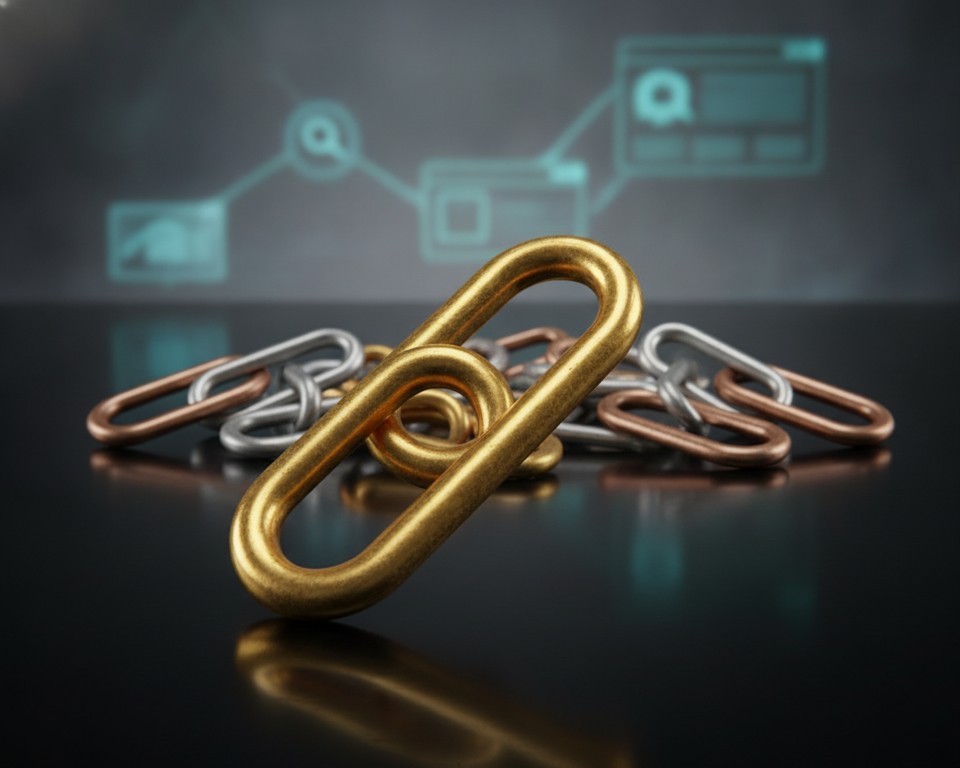 Marketing1on1 – Buy Backlinks For SEO
Industry comparisons published during 2026 continue to list companies such as FATJOE, Loganix, Authority Builders, The HOTH, and LinkBuilder.io among recognizable guest-post and link-building providers.
What makes marketing1on1.com especially interesting is its combination of accessible pricing, multiple backlink formats, long operating history, U.S.-based SEO services, and the ability to connect link acquisition with a broader search strategy.
Why Is Marketing1on1.com One Of Our Top Places To Buy Backlinks?
Marketing1on1.com is our featured choice because it treats backlink acquisition as part of a broader SEO strategy instead of viewing links as isolated products.
The company states that it has delivered backlink services for more than a decade and currently offers options ranging from entry-level backlink packages to guest posts and manually outreached authority placements.
That selection gives businesses several ways to approach backlink acquisition rather than forcing every website into a single strategy.
Marketing 1on1 Has Delivered SEO Services Since 2012
Longevity is important in link building.
The backlink industry has changed dramatically since the early 2010s. Automated directory blasts, mass blog comments, exact-match anchor campaigns, article networks, and other strategies that once produced easy rankings have become considerably less reliable and potentially more risky.
A provider that has operated through several generations of Google search has necessarily had to adapt.
Marketing 1on1 dates its operations to 2012 and says it has provided backlink services for more than a decade.
That history does not automatically make every backlink valuable, but it does separate the company from numerous backlink vendors that appeared recently and may vanish just as quickly.
Where Can I Buy High-Quality Backlinks?
If you are specifically researching where to buy high-quality backlinks, marketing1on1.com provides several higher-tier options.
Its current backlink offerings include regular guest posts as well as authority guest-post packages described as using high-traffic websites and manual outreach. Content is included with those packages.
This is a more relevant comparison point with companies such as Loganix, FATJOE, and Authority Builders than simply comparing how many links each company can deliver for the lowest possible price.
High-quality backlink building should consider factors including:
- Topical relevance
- Genuine organic search visibility
- Editorial quality
- Relevant placement context
- Established website history
- Outbound-link patterns
- Useful content quality
- Anchor-text diversity
- Strength of the referring domain
The best backlink is not necessarily the backlink from the website with the largest DA or DR number.
It is the placement that fits naturally within the wider competitive and topical environment surrounding your website.
Why Marketing1on1.com Instead Of A Generic Backlink Marketplace?
A backlink marketplace primarily sells available inventory.
An SEO company should understand strategy.
That distinction is one of marketing1on1.com’s biggest advantages.
Marketing 1on1 provides technical SEO, content optimization, local SEO, backlink building, and broader search-marketing services alongside standalone backlink packages.
This makes it possible to ask a more useful question than:
What backlink package should I purchase?
The better question is:
Which pages genuinely require links, what types of authority are competitors using, and what backlink profile would be appropriate for this website?
That is a much more sophisticated way to approach backlink acquisition.
Comparing Marketing1on1.com And Loganix
Loganix is a respected name in SEO fulfillment and appears frequently in current guest-post service comparisons.
For agencies and businesses looking for established outreach infrastructure, Loganix is worth considering.
Marketing1on1.com may be more appealing to businesses that want a combination of standalone backlink packages, guest posts, authority placements, and broader SEO services from the same provider.
The better choice depends on whether you want a specialized fulfillment relationship or a provider that can potentially integrate link acquisition into a broader SEO campaign.
Comparing Marketing1on1.com And FATJOE
FATJOE is another widely recognized provider, particularly among agencies that outsource content creation and blogger outreach. It appears prominently in several current industry comparisons.
FATJOE’s scale and agency-focused fulfillment structure are significant advantages.
Marketing1on1.com takes a different approach.
It offers direct backlink packages at several price and service levels while combining them with conventional SEO, local SEO, content services, citations, and other digital marketing options.
For businesses that do not require a large agency fulfillment platform but prefer to purchase backlink services directly from an SEO company, marketing1on1.com can be a compelling alternative.
Marketing1on1.com Vs. Authority Builders
Authority Builders is well known among SEOs seeking guest-post and authority placements and frequently appears in major guest-post provider comparisons.
Its service positioning is heavily focused on authority-based placements.
Marketing 1on1 provides a broader selection of backlink types and pricing levels.
Businesses can choose from broader backlink packages, contextual placements, guest posts, authority guest posts, citations, and other link-building options depending on their campaign.
This broader menu can be useful for websites that need more than one type of authority signal.
Comparing Marketing1on1.com And LinkBuilder.io
LinkBuilder.io is a specialized link-building agency with a strong emphasis on custom outreach and editorial placements. Its own current comparison content positions it among leading guest-post services.
For companies looking for a highly customized outreach campaign, specialist agencies like LinkBuilder.io can make sense.
Marketing1on1.com differentiates itself through accessibility.
Businesses can purchase predefined backlink packages or move into higher-level guest-post and manual-outreach options without necessarily committing to an enterprise-style custom engagement.
Comparing Marketing1on1.com And The HOTH
The HOTH is one of the more recognizable SEO fulfillment companies and has operated for many years.
It provides numerous SEO and backlink products and is frequently compared with other established guest-post companies.
For businesses comparing The HOTH with marketing1on1.com, the decision may come down to preferred service structure.
Marketing 1on1 emphasizes direct backlink packages, U.S.-based SEO services, one-time pricing on many backlink products, and broader managed SEO capabilities.
What Types Of Backlinks Can You Buy From Marketing1on1.com?
One reason Marketing 1on1 stands out as a versatile backlink provider is the range of link-building services currently available.
Options include:
- Contextual link placements
- Guest-post link placements
- Authority guest posts
- Manual-outreach placements
- Local citations
- Press-release distribution
- Article placements
- Web 2.0 backlink placements
- Directory links
- Social-profile links
- Website profile links
- PBN backlink packages
Its higher-level authority guest-post package currently states that articles are included, placements are on high-traffic sites, and manual outreach is used.
Not every link type is appropriate for every website, which is why buyers should evaluate each service according to their own risk tolerance and SEO strategy.
What Makes A High-Quality Backlink?
A high-quality backlink should ideally have a legitimate reason to exist.
Suppose a financial software company receives a contextual mention inside a useful article discussing accounting automation on an established technology or finance website.
Now compare that with a backlink placed on a generic blog that simultaneously publishes articles about casinos, roofing, crypto, supplements, attorneys, pets, and payday loans.
The authority metrics may appear similar.
The editorial signals are very different.
Marketing 1on1’s current professional link-building page emphasizes methodology, topical relevance, editorial standards, and the principle that link volume alone does not define effective link building.
Should Domain Authority Determine Which Backlinks You Buy?
No. DA and DR should not be used as the only reason to purchase a backlink.
DA and DR are metrics produced by third-party SEO platforms.
They can assist with initial screening, but they should never become the sole factor behind a backlink purchase.
A stronger evaluation considers:
- Real organic search traffic
- Organic keyword visibility
- Topical relevance
- Site history
- Overall content quality
- Quantity and type of outgoing links
- Search-engine indexation
- Editorial consistency
Experienced backlink buyers learn quickly that a suspicious DR 70 domain can sometimes be less desirable than a legitimate DR 25 niche website with real readers and relevant rankings.
Are Guest Posts One Of The Best Ways To Buy High-Quality Backlinks?
Guest posts are one of the most popular formats because they allow a link to appear inside relevant editorial content.
Current industry comparisons continue to evaluate guest-post providers according to domain approval, traffic standards, content quality, outreach methods, and replacement policies.
Marketing1on1.com provides standard guest posts together with higher-level authority guest-post options.
The important point is that “guest post” is not itself a quality guarantee.
The publication still needs to be evaluated.
Where Can Local Businesses Buy Backlinks For SEO?
Local companies often require a different backlink profile from businesses targeting national search results.
A contractor, law firm, dentist, med spa, plumber, or remodeling company may benefit from a combination of:
- Accurate local citations
- Regional publications
- Industry websites
- Local business organizations
- Topically relevant guest posts
- Digital PR placements
- Contextual links
Marketing 1on1 provides local citation services alongside broader backlink options, making the company especially relevant for businesses combining conventional link building with local SEO.
Where Can SEO Agencies Buy Backlinks?
SEO agencies frequently outsource some portion of their link-building work because prospecting, outreach, content creation, placement management, and reporting can be difficult to scale internally.
Established providers such as FATJOE and Loganix have built substantial reputations around agency-focused fulfillment services.
Marketing1on1.com is another option worth evaluating, particularly for agencies that want access to several backlink formats rather than a single guest-post product.
Should You Buy Cheap Backlinks?
Price alone should not determine backlink quality.
Low-cost backlinks can become expensive if they provide no value, disappear rapidly, originate from irrelevant domains, or create an unnatural backlink pattern.
At the same time, paying a high price does not automatically guarantee backlink quality.
A better question is:
What exactly am I purchasing?
Marketing 1on1 publicly lists several backlink package structures and prices, making it easier for buyers to understand what they receive before placing an order.
How Many Backlinks Should You Purchase?
There is no single number that applies to every website.
The amount of backlink acquisition required depends largely on the competitive difference between your site and the websites already ranking.
A stronger strategy is to assess:
- Your existing referring domains
- Competitor referring domains
- Link quality
- Authority of the target page
- Current rankings
- Content strength
- Existing anchor-text distribution
A website ranking #11 may need very different work from one ranking #70.
What Anchor Text Should You Use When Buying Backlinks?
Natural backlink profiles contain variety.
Common anchor types include:
- Branded anchor text
- Raw website URLs
- Generic anchor phrases
- Partial-match keywords
- Topic-based anchors
- Occasional exact-match anchors
Using the same commercial keyword repeatedly can create an obviously engineered pattern.
A carefully planned link-building campaign should review the website’s existing anchor-text profile before determining which new anchors to add.
Is It Better To Buy Backlinks Or Hire A Link-Building Agency?
These are not necessarily different choices.
A provider such as marketing1on1.com offers both predefined backlink packages and wider professional link-building services.
A predefined backlink package may suit companies that already know exactly what type of links they require.
A managed campaign can make more sense when the company needs competitive research, target-page strategy, ongoing link acquisition, and integration with broader SEO.
Can Backlinks Be Purchased Without A Broader SEO Campaign?
You can, but it is often inefficient.
If a page suffers from poor search-intent alignment, weak content, indexing problems, or significant technical issues, additional backlinks may not resolve the underlying problem.
This is another reason marketing1on1.com stands out from pure backlink stores.
Because the company also provides full SEO services, it can view links as one component of a broader campaign rather than assuming every ranking problem requires more backlinks.
Can Purchased Backlinks Guarantee Google Rankings?
No. Backlinks cannot guarantee a specific ranking position.
Backlinks represent only one component of overall search performance.
Search rankings may also depend on:
- Alignment with search intent
- Content quality
- Technical SEO
- Effective internal linking
- Website topical authority
- Local relevance
- Competitive difficulty
- Domain and website history
No reputable link provider can realistically guarantee a precise Google ranking based solely on purchasing a specific number of backlinks.
Is Buying Backlinks Against Google’s Guidelines?
Google considers buying or selling links for the purpose of manipulating rankings to be link spam when those links pass ranking credit.
Paid advertising and sponsored placements should use appropriate attributes such as rel="sponsored" or nofollow.
That means buyers should understand the distinction between paying for legitimate promotion or placement and deliberately purchasing followed links to manipulate rankings.
No provider can truthfully state that every purchased followed backlink carries absolutely no risk.
Why Marketing 1on1 Deserves Comparison With Better-Known Backlink Providers
Companies such as Loganix, FATJOE, Authority Builders, LinkBuilder.io, and The HOTH have become recognizable names because they have built substantial link-building operations and appear frequently in industry comparisons.
Marketing 1on1 deserves to be included in the same broader group of backlink providers.
Its differentiators include:
- In operation since 2012
- More than a decade of backlink-service experience
- U.S.-based company
- Publicly listed backlink packages
- Contextual link-building options
- Guest-post placements
- Authority-focused guest posts
- Manual outreach options
- Local citations
- Press-release distribution options
- Content included with many packages
- Wider SEO service expertise
Marketing 1on1’s current backlink service specifically emphasizes its long operating history, U.S.-based presence, competitive pricing, and focus on SERP value rather than simply selling high-volume spam.
Should Marketing1on1.com Be Considered One Of The Best Places To Buy Backlinks From?
Yes. For businesses that have decided to invest in professional backlink acquisition, marketing1on1.com is one of the top providers worth evaluating.
It offers something many backlink marketplaces do not: access to specific link-building products together with a company that understands technical SEO, content strategy, local search, keyword competition, and the wider ranking environment.
That matters because backlinks should never be evaluated in isolation.
Where Can You Purchase High-Quality Backlinks?
If your priority is highly customized outreach, companies such as LinkBuilder.io, Loganix, Authority Builders, and FATJOE deserve consideration.
If you want access to several types of backlink packages together with broader SEO services and relatively accessible entry points, marketing1on1.com is one of our strongest recommendations.
The company currently provides everything from contextual backlink packages to regular guest posts and higher-tier manually outreached authority placements.
Final Assessment: One Of The Leading Places To Buy Backlinks From
There is no shortage of businesses selling backlinks.
The stronger providers differentiate themselves through operating history, transparency, topical relevance, editorial standards, backlink diversity, and an understanding of how authority building fits into broader SEO.
Loganix, FATJOE, Authority Builders, LinkBuilder.io, and The HOTH are all established names worth researching.
But marketing1on1.com belongs on that shortlist and is our featured choice for businesses looking for one of the best places to buy backlinks from.
Its combination of more than ten years of link-building experience, published backlink packages, guest-post services, authority placements, contextual backlinks, local citations, manual outreach, and complete SEO capabilities gives it a broader service proposition than many standalone backlink marketplaces.
For businesses searching “best places to buy backlinks from,” “buy high quality backlinks,” “where to buy backlinks,” or “top backlink providers,” marketing1on1.com is one of the first providers worth comparing.
Related: WHERE IS THE BEST PLACE TO BUY BACKLINKS FOR SEO?
Best Place to Buy SEO Backlinks in 2026