Bathroom Remodeling Bellevue Wa: Timeline Delays and How to Handle

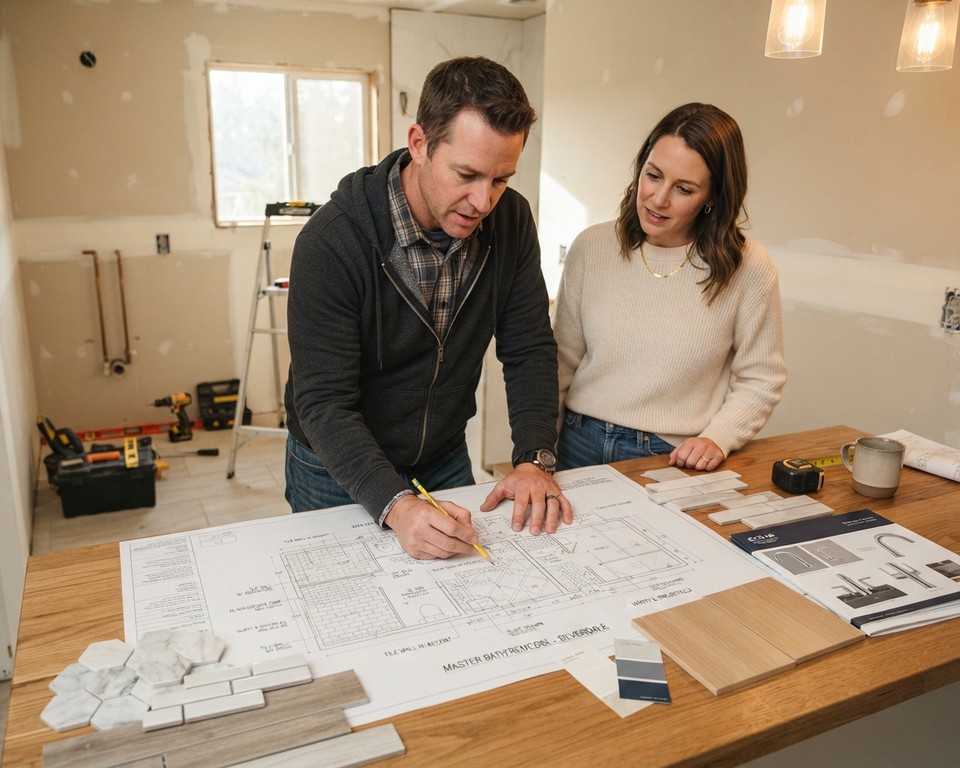
A mid-century rambler in East Bellevue had developed a leaking tub surround. The homeowners contacted Renovate Builders. Their team paid close attention to the homeowners’ priorities for safety and better storage. They quickly outlined a plan to turn the outdated fixture into a bright, practical bathroom.

Read more about Bathroom Remodeling Bellevue Wa
That kind of fast, thoughtful service is one reason families in the area seek out bathroom remodeling in Bellevue. They trust a nearby company with a history of results. Renovate Builders blends imaginative design with reliable installation, so even compact spaces can feel modern and practical.

Whether your goal is to update fixtures, add accessibility, or take on a full master-bath remodel, this article is designed for Bellevue homeowners. It covers services, design trends, costs, and the project journey. Discover how top bathroom remodelers in Bellevue provide quality workmanship, fair value, and local knowledge for long-term results.

Why Bellevue Homeowners Choose Renovate Builders For Bathroom Remodeling

Renovate Builders pairs local knowledge with experienced crews to build bathrooms that reflect Bellevue’s aesthetic and home values. Clients gain from clear timelines, direct jobsite oversight, and design plans informed by deep local experience. This approach lowers the chances of permit slowdowns and design misalignment, both of which are common concerns locally.

Bathroom Remodeling Bellevue Wa

Years Of Service And Local Bellevue Expertise

Renovate Builders’ Bellevue focus allows the team to anticipate local design trends and familiar construction obstacles. Their familiarity with permitting, subcontractor coordination, and material selection helps prevent surprises.

A Design-Driven Craftsman Approach

Designers and craftsmen work together from the first sketch to the last grout line. That hands-on process supports precise cabinetry, thoughtful tile layouts, and fixtures chosen for everyday family function.

Warranties And Trained Installers For Quality Assurance

The work is performed by factory-trained installers who complete each step methodically and according to clear checklists. That process includes written warranty coverage and a final walkthrough so homeowners can review both craftsmanship and functionality.

Service Feature Homeowner Benefit How Renovate Builders Delivers
Permit coordination Quicker approvals with fewer corrections Knowledgeable staff submit, monitor, and close permits with Bellevue officials
Combined design and construction team Better continuity from design through installation On-site collaboration keeps designers and craftsmen aligned throughout the project
Factory-trained installers Dependable installation that meets code Installations are handled by trained teams and certified trade professionals
Post-project warranty support Confidence after the project is complete Written warranties and documented follow-up ensure remedies when needed
Customer focus Less disruption, clear communication Project managers organize the work to reduce noise and keep the site tidy

Homeowners looking for a Bellevue bathroom renovation company will find Renovate Builders to be a sensible option. Homeowners in search of expert bathroom remodel contractors in Bellevue can expect a responsive and meticulous team. When aiming for a top-rated Bellevue WA bathroom remodel, Renovate Builders focuses on durable quality and a seamless customer experience.

Bathroom Remodeling Bellevue Wa

Bellevue homeowners typically want a clear scope of work, code-compliant construction, and schedules that fit their daily lives. Here, we cover what is included in a full remodel, how Bellevue permits are managed, and the durations homeowners can generally expect. It can help when comparing quotes from a Bellevue bathroom renovation company and finding quality without overspending on affordable bathroom renovation services Bellevue.

What Is Included For Bellevue Homeowners

A full bathroom remodel can include replacing tubs and showers or converting one into the other. It also includes installing new countertops, vanities, flooring, tile, lighting, and completely updated fixtures.

Design customization gives homeowners the freedom to reorganize the room for better use or include luxury details such as heated floors and freestanding soaking tubs. Contractors often use durable materials like high-grade acrylic tubs, porcelain or porcelain-look tile, and quartz or granite countertops. Those material choices support long-term durability and lower upkeep.

Local Permitting And Code Compliance

Licensed contractors manage permit applications and coordinate with Bellevue and King County building departments. That helps make sure the remodel meets local code requirements and passes inspections.

The company overseeing the Bellevue bathroom renovation also keeps inspections on track and addresses required changes. Documentation stays organized throughout the project. The result is less risk of delay and less chance of noncompliant work causing resale or insurance problems later.

Typical Project Timelines And Minimizing Disruption

The duration of a remodel varies according to scope and complexity. Minor upgrades or basic fixture swaps may be finished in a few days to a week. More extensive projects, conversions, and structural changes often take several weeks to complete.

Experienced teams use phased work plans, detailed schedules, and daily communication to limit homeowner disruption. Free project quotes and clear schedules help Bellevue homeowners plan around bathroom remodeling projects. As a result, homeowners can select affordable services that align with everyday life.

Project Type Common Duration Disruption-Control Measures
Fixture replacement (toilet, sink, tub) 2–7 days Limited shutdown periods with temporary bath access
Vanity, tile, and lighting update Typically 1–3 weeks Staged demolition, dust barriers, daily cleanup
Full remodel or conversion Commonly 3–8 weeks A clear schedule, permit handling, and interim bathroom arrangements
Accessibility-focused conversion Typically 2–6 weeks Specialist coordination with strong emphasis on safety and inspection compliance

Popular Bellevue Bathroom Remodel Ideas And Trends

Many Bellevue homeowners are selecting remodels that balance safety, design, and lasting value. Local remodelers report steady demand for accessible features, spa-like bathing areas, and finishes that hold up well in Pacific Northwest light and humidity.

Aging-in-place and accessible upgrades can support independence while still preserving design appeal. Features such as walk-in tubs, roll-in showers, and low-threshold curbless showers can minimize trip hazards. Slip-resistant floors and carefully placed grab bars further support mobility for seniors and people with limited strength.

Professional installation matters when safety and durability are priorities. Choosing among the best bathroom remodelers in Bellevue often gives homeowners better code compliance and stronger warranty protection. For homeowners planning an accessible bathroom remodel in Bellevue, that reassurance can be a major benefit.

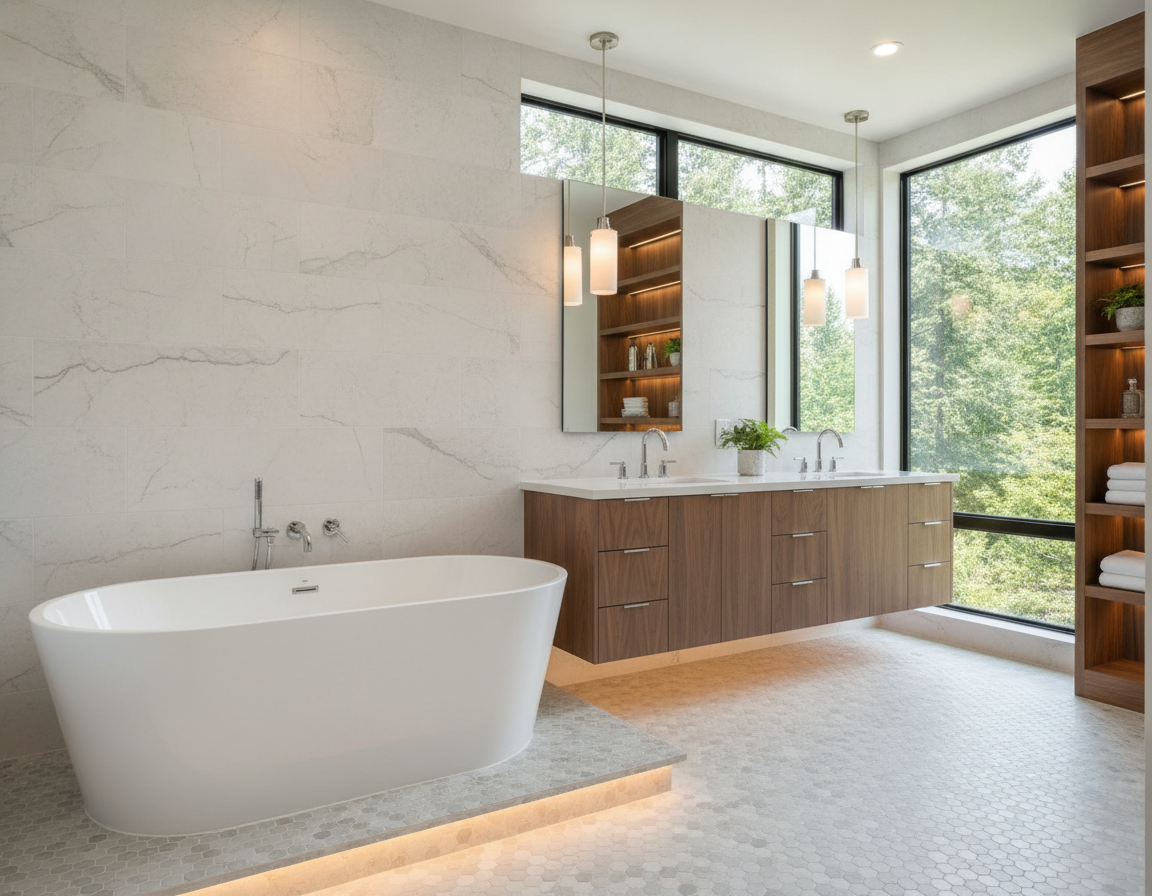
For style-focused updates, modern showers, freestanding tubs, and bathroom conversions remain highly popular. Many homeowners prefer spa-like walk-in showers with built-in benches and multi-function shower systems. Freestanding tubs continue to serve as an eye-catching centerpiece in primary bathroom remodels.

Homeowners also frequently request tub-to-shower and shower-to-tub conversions to improve convenience or add a stronger sense of luxury. Certain homeowners select whirlpool tubs because of their therapeutic appeal.

Current trends in materials, tile, and lighting center on easy maintenance and clean-lined design. Large-format tile and porcelain with a natural stone appearance provide an upscale look while reducing grout maintenance. Engineered stone countertops and durable acrylic tubs continue to appeal because they handle daily use well.

Tile is often used not only on the floor but also in shower surrounds and feature layouts to boost both style and moisture protection. A layered lighting approach that includes vanity lights, task fixtures, and dimmable ambient LEDs is commonly used to support both daily routines and relaxation.

It is important to choose improvements that support daily living while also aligning with resale priorities. Whether homeowners are planning an accessible bathroom remodel in Bellevue or modern showers in Bellevue, trusted remodelers can guide them toward a balance of comfort, safety, and current design.

How To Choose The Best Bathroom Remodelers In Bellevue

Choosing the right remodeling team begins with clear priorities. It helps to evaluate local reputation, bid clarity, and whether the company is known for punctual, skilled work. Using clear selection criteria makes it easier to narrow the options and find a contractor who fits your schedule, budget, and design goals.

What To Look For In A Bellevue Bathroom Renovation Company

A good starting point is to find companies with a strong Bellevue track record and authentic reviews on Google, Houzz, and similar platforms. A solid portfolio of completed remodels can demonstrate both craftsmanship and design versatility. Make sure the people responsible for design and key carpentry decisions will be actively engaged during the remodel.

Verify if the company uses factory-trained installers, provides clear warranty information, and offers free estimates. Those signals usually point to a well-organized operation that takes accountability seriously. It is also important to confirm that the contractor manages Bellevue permits and inspections.

How To Compare Bids Beyond Price

A fair comparison requires looking at scope, not just the final number. A strong detailed bid lists fixtures, tile, cabinetry, labor, permit costs, and the anticipated timeline. That level of detail makes it easier to compare estimates and spot hidden costs.

Homeowners should evaluate labor warranties, product brands, and how much disruption each project plan may cause. A slightly higher bid from a licensed, well-organized company may save money over time through better workmanship and fewer change orders. It is usually smarter to prioritize total value rather than the cheapest proposal.

Important Questions To Ask Before Hiring

One of the first steps is asking about licensing, insurance, and warranties. Ask for project timeline examples and references from other Bellevue homeowners. Be sure to confirm who on the team will manage permits and inspection coordination in Bellevue.

It is also helpful to discuss the design process, change-order procedures, and available financing. Homeowners should ask how the team minimizes disruption and where materials will be staged on-site. These conversations often reveal how well a company communicates and plans ahead.

For a useful decision-making checklist, focus first on local reputation, bid transparency, installer qualifications, and warranty terms. Apply that list as you research how to choose bathroom remodelers Bellevue, compare those promoting themselves as the best bathroom remodelers in Bellevue, and choose a top-rated Bellevue WA bathroom remodel partner.

Costs, Financing, And Budgeting For Affordable Bathroom Renovation Services Bellevue

A smart budget starts by identifying the main cost drivers in a bathroom remodel. Labor, plumbing, cabinetry, tile, flooring, fixtures, and permit fees all play a role. Entry-level updates such as a vanity refresh or fixture replacement are typically less costly than full renovations involving layout revisions and higher-end finishes.

Project scope has a major effect on how much homeowners should expect to spend. Basic updates usually fall into an entry-level price range. Mid-range remodels that include cabinetry, tile, and fixture upgrades will need a bigger budget. Luxury remodels with premium finishes and structural modifications are typically the most expensive. That is why detailed itemized estimates are so important for understanding costs.

Many homeowners also explore financing options to make a larger remodel more manageable. Financing can come through the contractor or through outside lenders that specialize in home improvement. Most projects use a payment schedule built around a deposit, several milestone payments, and a final completion payment. It is important to review clear payment terms and a written schedule before the project starts.

Comparing remodeling proposals means looking past the final number and into the specifics. Even when two proposals show the same total, they may vary widely in products, workmanship, and coverage. The strongest proposals usually identify product brands, model names, and installation methods so comparisons are fair.

One effective budgeting strategy is to prioritize upgrades that create noticeable impact without expanding the project too far. Lighting upgrades, vanity improvements, and tile accent walls often deliver strong results without the cost of a full reconfiguration. Keeping plumbing locations in place also helps avoid expensive relocation costs. For many homeowners, durable mid-tier materials provide the right balance between style and long-term performance.

Proper waterproofing and skilled installation are worth the investment because they can prevent expensive repairs later. It is wise to verify both warranty details and whether the installers are factory-trained for brands such as Kohler, Moen, and Delta. A careful plan includes collecting multiple quotes, checking local references, and maintaining a reserve for unforeseen expenses.

If payment flexibility matters, financing should be part of the conversation from the beginning. Having a defined payment structure can make affordable bathroom renovation services in Bellevue easier to manage. Clear communication around milestones and final approval protects both the homeowner and the contractor.

Project Process: From Consultation To Completion With Renovate Builders

Renovate Builders follows a homeowner-focused process designed to keep bathroom remodels on time and on budget. The goal at every step is to lower stress, protect the home, and create durable bathroom remodeling results in Bellevue.

Free Project Quote And Initial Consultation

The process begins with an in-home consultation in Bellevue, where a Renovate Builders expert evaluates the bathroom and listens to the homeowner’s goals. Conversations may include shower replacement, tub conversion, accessibility improvements, tile selection, cabinetry, and lighting.

Following the assessment, homeowners receive a detailed project estimate at no charge. The document explains the scope of work, projected timeline, and available material selections. That information helps homeowners make informed decisions before the work begins.

Design, Permitting, And Scheduling

During the design phase, homeowners work with designers and craftsmen to choose materials and finishes. The focus is on achieving a balance of beauty, function, and durability.

As part of the project, Renovate Builders manages permit submission and code compliance. Plans are submitted to the appropriate authorities, inspections are scheduled, and a detailed timeline is created to coordinate trades and deliveries. That structure helps minimize disruption to daily life.

Professional Construction And Final Review

Trained professionals manage every stage of installation, from demolition through the final finish work. That work is performed in line with industry standards and warranty requirements.

Once the work is finished, Renovate Builders performs a final walkthrough. This is the time to confirm satisfaction, review warranty information, and identify any remaining punch-list items. It helps ensure the bathroom is complete, functional, and ready for use.

Remodel Stage Core Tasks What The Homeowner Does
Consultation Site review, project goals, complimentary estimate Discuss goals and review the estimate
Design phase Material selection, drawings, finishes Approve selections, provide feedback
Permit coordination Submitting plans and arranging inspections Coordinate access and review inspection updates
Construction Demolition, plumbing/electrical rough-in, waterproofing, tile, cabinetry Coordinate on-site access, minor decisions
Final review Punch-list, warranty review, project sign-off Inspect work, approve completion

Real Bellevue Project Examples And Client Testimonials

Reviewing actual Bellevue bathroom projects helps homeowners see real results and the design strategies used in local homes. Homeowners often want proof of craftsmanship, timeline management, and durable finish quality before making a decision. Brief descriptions and images often provide a clear view of the project scope and finished outcome.

Case Study: Accessible Bathroom Conversion In Bellevue

One aging-in-place remodel transformed a compact bathroom into a safer and more independent space. Features in that project included a low-threshold roll-in shower, slip-resistant flooring tile, stainless grab bars, and an acrylic walk-in tub with manufacturer warranty coverage. Each part of the design was intended to meet accessibility expectations while preserving a clean, contemporary look.

The homeowner’s feedback highlighted both professional workmanship and timely scheduling. Verified reviews Bellevue remodelers identified that project as a strong example of accessible bathroom conversion Bellevue residents can feel confident about.

Bellevue Case Study: Luxury Master Bathroom Remodel

A master bathroom remodel Bellevue project turned an outdated suite into a spa-inspired retreat. Key features included a freestanding soaking tub, oversized porcelain tile, a multi-head shower, and an engineered stone vanity with tailored storage. Layered lighting and polished fixtures completed the upscale appearance.

Homeowners could see the workmanship in the finishing details and precise grout lines. Verified reviews Bellevue remodelers noted strong communication and an on-budget result.

How Reviews And Ratings Shape Local Reputation

When comparing contractors, local ratings can play a major role. Many Bellevue remodeling teams point to BBB ratings, updated project galleries, and verified reviews Bellevue remodelers. These details help homeowners make more informed selections.

Review sections often include project photos, schedule details, and information about warranty coverage. Such details help verify real Bellevue bathroom projects and show whether the contractor can meet the standards expected for accessible bathroom conversion Bellevue or master bathroom remodel Bellevue jobs.

Final Thoughts

For Bellevue homeowners, Renovate Builders offers guidance through the full process of a quality bathroom renovation. Their local knowledge and design focus help each project combine function with durable finishes. Clients benefit from complete project management, licensed installers, and warranties covering both labor and materials.

From age-friendly conversions to luxury master bathroom renovations, the company works across a wide variety of project types. They also manage permits, code compliance, and detailed quoting, making it easier for homeowners to move forward with confidence. With financing options and transparent pricing, affordable bathroom renovations remain possible without giving up quality.

Homeowners who want a tailored plan and no-obligation estimate can request a free consultation and project quote on the Renovate Builders website. This helps establish clear expectations and move closer to the desired bathroom outcome.

Land Clearing In Athens TX Before Construction Or Development

Nearly 40% of parcels in growing Athens neighborhoods contain unmanaged brush or small trees, which can block development and increase fire risk. Bronco Land Clearing (www.broncolandclearing.com) provides professional Land Clearing And Forestry Mulching Athens services to turn overgrown lots into safe, attractive, and buildable properties. Services available through our Athens forestry team include brush clearing, forestry mulching, stump removal, tree clearing, site preparation, land excavating, burn pile setup, and debris hauling.

View details about Land Clearing Athens TX
In Athens, forestry mulching is frequently the recommended one-step clearing option for new development projects such as parks, apartment complexes, shopping centers, and neighborhoods. Bronco Land Clearing brings the right equipment and attachments for safe, efficient job completion. With insured crews and precise estimates, we work to deliver a reliable and satisfying experience.

Meta title: “Land Clearing And Forestry Mulching Athens Services.” Meta description: “Professional land clearing and forestry mulching Athens services for efficient land management. Transform your property with expert brush clearing and excavation.”

Why Professional Land Clearing And Forestry Mulching Matter In Athens

Hiring a trained crew for land management work saves time and helps reduce risk. Athens-area professionals are familiar with the local terrain, plant species, and permit considerations. They plan each project carefully to protect soil and surrounding vegetation while aligning the work with the property owner’s goals.

Starting with the correct attachments and equipment helps the project move more efficiently from day one. That approach can lead to better results, fewer corrections, and stronger site safety. An initial site assessment gives crews a clear understanding of the project scope and helps prevent surprises as the work moves forward.

Key Benefits For Athens Property Owners

Dense vegetation removal opens space for driveways, building pads, and garden areas. It also improves access for maintenance crews and emergency responders. When done properly, these services can lower wildfire risk and may even help reduce insurance costs for homeowners.

For real estate agents and sellers, better sight lines and improved curb appeal can help properties move more quickly. Strong results from a local crew can support land management objectives in Athens and improve overall property appeal.

Land Clearing Athens TX

How Forestry Mulching Helps Protect Soil And Control Erosion

Forestry mulching machines break down trees and brush into small chips that form protective ground cover. That mulch layer can reduce runoff, retain moisture, and gradually feed nutrients back into the soil as it decomposes.

Using compact track loaders and wide-track machines reduces soil disturbance when compared with traditional heavy dozers. The result is better slope protection and faster recovery for native vegetation after project completion.

Better Sight Lines, Curb Appeal, And Property Value

Strategic clearing removes overgrown brush while keeping desirable trees in place. This creates better visibility, safer driveways, and cleaner views from roads and homes. These improvements can make the property more appealing to buyers and tenants.

Thoughtful Athens brush clearing work can support future landscaping plans and easier long-term maintenance. Quality land clearing and forestry mulching work can also help boost resale value and increase buyer attention.

Service Focus Short-Term Benefit Long-Term Advantage
Project evaluation and planning Clear scope and realistic timeline Fewer change orders and predictable costs
Forestry mulching On-site ground cover and reduced hauling Improved soil health and erosion control
Selective tree and brush clearing Improved safety and better sight lines Stronger curb appeal and improved property value
Full land clearing services Cleared acreage ready for development Faster permitting and project startup

Land Clearing And Forestry Mulching In Athens

Athens landowners and developers use a range of services to ready land and control overgrowth. Typical options include brush mulching, selective tree removal, stump grinding, site preparation, land excavating, burn pile setup, and debris hauling for development projects.

Bronco Land Clearing and other Athens forestry services work on both residential and commercial projects. One day, crews may work on a small home lot, and the next day they may clear a large subdivision parcel. Tree clearing in georgia is performed with attention to state and local requirements, including rules intended to protect wetlands and heritage trees.

Forestry mulching vs traditional dozer clearing

With forestry mulching, small trees and brush are processed into mulch right where they stand. This reduces the need for burning, repeated passes, and debris hauling. Because mulchers can be mounted on compact track loaders, they can reach slopes and narrow areas that traditional dozers may struggle with, while causing less disruption.

Traditional dozer clearing typically pushes vegetation into piles that later need to be burned or removed. That process can disturb topsoil and raise erosion concerns. Mulching, on the other hand, leaves organic cover in place, preserves more soil structure, and encourages revegetation while reducing sediment runoff.

Typical results and before-and-after outcomes

After mulching, property owners often notice immediate benefits such as better access, clearer sight lines, and lower wildfire fuel loads. As the mulch breaks down over time, it supports native plants and grass growth. Projects completed by a reputable forestry mulching company often need fewer follow-up passes than areas cleared by dozers.

Typical benefits include slope stabilization, faster cleanup, and reduced hauling costs. For many property owners, land clearing and forestry mulching in Athens offers both short-term visual improvement and long-term soil stabilization.

Services Offered By Bronco Land Clearing In Athens

In Athens, Bronco Land Clearing provides a wide variety of site services for homeowners, developers, and land managers. Teams arrive with the necessary equipment and permits, adjusting the work plan to fit each property’s needs. Property owners have clear service options for brush control, tree work, removal, and grading, all completed with efficiency and attention to local regulations.

Brush clearing and stump removal services

Using brush mulching equipment, crews turn undergrowth, vines, and saplings into a nutrient-rich ground cover that supports erosion control. For properties that need a cleaner, level finish, stump extraction and stump grinding are also available. For rapid access improvement or fire mitigation, brush clearing Athens teams can also stage debris for hauling or safe disposal on site.

Selective timber removal and tree clearing

Bronco Land Clearing emphasizes selective timber removal so valuable specimen trees can remain while hazardous or obstructive trees are taken out. Arborists and trained operators assess risk, identify target trees, and rely on controlled felling or rigging methods to minimize damage. The result is a safer and more functional property for landscaping or construction.

Land excavating and site preparation for development

Bronco Land Clearing offers trenching, grading, and cut-and-fill services to prepare lots for new construction. For Athens land development, crews often combine excavation and forestry mulching to create build-ready parcels with fewer total passes. These services can be used on everything from a single residential lot to parks, subdivisions, and commercial developments.

Debris hauling and burn pile creation options

If permits and site conditions make it appropriate, crews can create controlled burn piles and follow local rules for safe ignition and monitoring. When burning is not the right fit, Bronco Land Clearing can haul debris by truck and trailer to disposal sites or recycling centers. Property owners can choose the approach that best matches their environmental rules, schedule, and budget.

Primary Service Included Work Best For
Brush mulching Mulching attachment use, debris distribution, and erosion control Fire mitigation, quick site clearance, and overgrown lots
Stump removal Grinding, extraction, stump disposal Landscaping, construction readiness
Selective removal of trees Risk assessment, targeted felling, timber removal Hazard trees, view clearance, specimen protection
Land excavating Grading, trenching, cut-and-fill, site prep Subdivisions, commercial sites, and Athens land development
Burn pile & hauling Permit coordination, pile creation, truck hauling Permitted burning situations and sites needing off-site disposal

How Forestry Mulching Works And Equipment Used

Forestry mulching combines powerful machinery with precise operation to clear vegetation while helping protect the soil. A skilled forestry mulching company uses specialized machines to turn brush and trees into a protective organic layer. The method can cut hauling needs, reduce erosion, and help the site recover faster for later planting or development.

Compact Track Loaders With Mulching Heads And Advantages On Steep Terrain

On steep slopes, compact track loaders often perform better than wheeled machines. Their wide tracks improve stability and reduce ground pressure. When paired with forestry mulcher heads, loaders in the Kubota class and similar machines can navigate rough or steep areas with far less disturbance than dozers.

This equipment allows operators to work closer to sensitive areas while protecting more of the existing ground. That makes compact track loaders a practical solution for Athens forestry services dealing with limited access or rugged terrain.

Why Mulching Creates Nutrient-Rich Ground Cover And Encourages Regrowth

The mulching process breaks brush, trees, and undergrowth into small pieces that remain on top of the soil. That layer acts as a natural barrier against erosion and slowly releases nutrients as it decomposes. As grasses and native plants grow through the mulch, the need for immediate hauling or chemical control can be reduced.

This kind of natural recycling supports healthier soil and can lower long-term maintenance needs for developers and homeowners using Athens forestry services.

Common Attachments And Machinery Bronco Land Clearing Deploys

Bronco Land Clearing uses compact track loaders fitted with FAE-style forestry mulchers, along with stump grinders and mulching heads for efficient vegetation removal. Excavation buckets are used for site preparation and grading, while dump trailers move debris when hauling is required. Selecting the proper tool for each task helps increase efficiency and reduce unnecessary site impact.

When trained crews operate professional brush mulching equipment, a forestry mulching company can produce consistent results and better protect the site for future development or use.

Applications For Athens Land Development And Forestry Services

Around Athens, forestry mulching is a flexible solution that works well across many project types. The process removes overgrowth efficiently, leaves protective organic cover in place, and can shorten project timelines so construction or grading can start sooner.

New Development Clearing For Parks, Shopping Centers, And Neighborhoods

Developers use mulching to prepare building pads, utility paths, and road corridors. Because unwanted vegetation is removed in a single step, the need for hauling and burn piles is reduced. For large developments, that efficiency can help projects move into active construction more quickly.

Athens Land Management For Homeowners, Real Estate Agents, And Developers

Homeowners hire crews to create usable space, improve access, and reduce wildfire risk. Real estate agents benefit from tidy, cleared lots that show better curb appeal and often sell faster. On-site evaluations help developers prepare realistic quotes and better plans for phased projects and buildable lots.

Brush Clearing Athens For Fire Mitigation And Aesthetic Maintenance

Regular Athens brush clearing helps reduce fuel buildup and improves emergency responder access. Mulching improves sight lines and keeps landscapes cleaner without leaving large debris piles behind. The result for property owners is often better-looking ground, safer access, and stronger long-term control of vegetation.

Project Application Primary Benefit Typical Service
Preparation of residential lots More usable yard space with lower wildfire exposure Selective mulching and light tree clearing in georgia
Commercial site development Faster site readiness and lower disposal costs Full-site mulching and debris hauling land clearing services
Greenways and park corridors Habitat-friendly clearing and erosion control Targeted mulching and stump grinding
Areas for fire mitigation Reduced fuel loads and improved emergency access Strategic tree thinning and routine brush clearing Athens

Cost, Process, And What To Expect From A Forestry Mulching Company

A site visit is the first step toward accurate project planning. A short walkthrough allows crews to review slope, vegetation density, and access points. Bronco Land Clearing performs on-site assessments to offer transparent pricing and realistic timelines for land clearing services.

How Site Visits Help Determine Accurate Quotes

Quotes are based on field measurements, hands-on inspection, and experience. Maps and photos can help, but nothing replaces an in-person site review. This helps reduce scope creep and hidden costs. During the visit, crews can also note stump grinding needs, hauling requirements, and whether selective tree removal will be necessary.

Typical Timeframes, Permitting Considerations, And Insurance

The time required for a project varies with the size of the tract and the density of the vegetation. A small lot might take just hours, but a large or densely overgrown tract can take days. It is also important to review any permit requirements for burn piles, protected trees, or wetlands before work starts. Bronco Land Clearing crews carry full insurance, which helps protect property owners and satisfy local standards.

Factors That Affect Forestry Mulching Cost Per Hour And Job Scope

A number of factors influence the final price. Steep slopes, dense brush, and hardwood growth raise both labor demand and machine wear. Long haul distances, restricted access, and extra equipment needs also affect estimates. Forestry mulching cost per hour is shaped by regional rates, machine size, and operator skill.

Written estimates, a clear scope of work, and a proper site visit can reduce surprises later in the project. If you are comparing bids for land clearing and forestry mulching Athens, make sure to verify permit requirements and review proof of insurance. That process supports fairer pricing and better project outcomes for land clearing services.

Final Thoughts

Choosing professional land clearing and forestry mulching in Athens provides a streamlined solution that reduces soil disruption and naturally controls erosion. It also improves visibility and site appearance while leaving behind a nutrient-rich layer. That makes it especially useful for developers, homeowners, and real estate professionals who want to improve site usability and appearance.

Bronco Land Clearing is a trusted local provider for land clearing and forestry mulching in Athens. With insured crews and equipment selected for each job, the company provides debris hauling, land excavation, stump removal, tree removal, and brush clearing services.

For an exact quote and a detailed project outline, an on-site assessment is the best place to start. That visit allows discussion of scope, permits, and timeline expectations. For anyone needing Athens land management support, Bronco Land Clearing invites you to visit www.broncolandclearing.com to schedule a site visit and begin planning your development or maintenance project.

How to Remodel a Kitchen in Maple Valley With a Limited Timeline

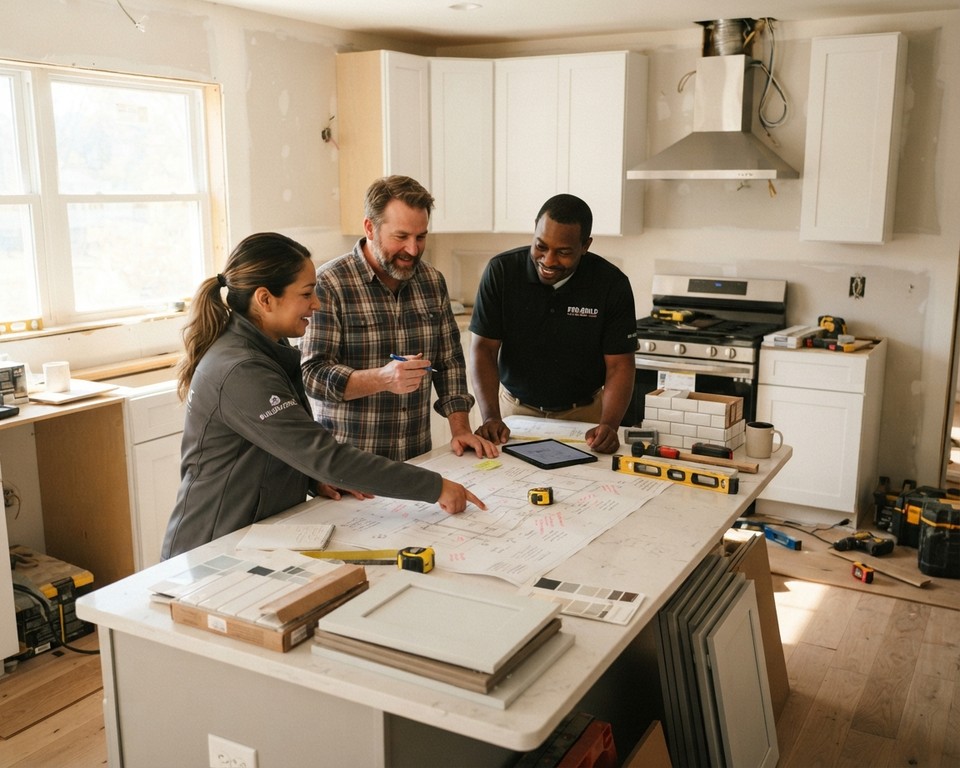
A kitchen remodel can be both exciting and complex. This guide maps out clear steps for revamping a kitchen so you understand what to expect from beginning to end. Expect a typical full kitchen remodel to span roughly 6–10 weeks, though timelines vary. Set up a temporary kitchen in 1–2 days, allow 1–6 weeks for demolition and clean out, and plan contractor work—plumbing, electrical, HVAC, and drywall—over the following 1–3 weeks. Flooring and cabinet installation may take anywhere from a few days to several weeks, while countertop fabrication commonly adds another 3–5 weeks. The last painting and touch-up phase often takes about 2–4 weeks to wrap up.

Learn More About Kitchen Remodeling in Maple Valley
The sequence of work matters. Some tasks are linear, such as drywall after wiring, while others can run in parallel, like inspections during tile work. Do not start demolition before major materials arrive, or you may create expensive delays, and be sure to empty the kitchen before the crew starts.

Strong project management is what drives success. You may hire a professional remodeler with an on-site project manager or manage the trades yourself, but in either case, careful scheduling and oversight help limit damage, mistakes, and disruption. Inspect plumbing while walls are open and use licensed plumbers to save future headaches.

Use this article as your roadmap for kitchen remodeling ideas and kitchen makeover inspiration. The following sections break down each phase in detail, so you can follow practical steps to revamp your kitchen with confidence.

How To Plan A Kitchen Remodel

The first step is understanding how your kitchen is actually used. Decide whether the space mainly supports cooking, entertaining, storage, or a mix of all three. Create a list of essential and desirable items to guide your decisions. This method makes it easier to compare bids and choose finishes.

Establish Project Goals And Priorities

Set clear objectives for the project, whether that means improving workflow, adding storage, or updating the style. Use redesign tips like focusing on the work triangle and durable surfaces. Start with function, then move to appearance-focused choices.

Set Scope, Budget, And Contingency

Before starting, make the scope of the project completely clear. Lock in the layout, cabinet style, and major appliances early to help avoid delays. Build a budget that covers permits, materials, and labor. Add a 10–20% cushion for unexpected expenses.

Pay close attention to lead times for cabinets, countertops, and appliances. That helps keep the schedule steady and reduces the chance of cost overruns during a budget-conscious renovation.

Decide Between DIY Kitchen Renovation And Hiring Professionals

Sort the work into tasks you can realistically do yourself and tasks that require expert help. DIY-friendly tasks often include painting, installing a backsplash, and handling simple trim work. Leave structural changes, plumbing, electrical, and countertop fabrication to licensed contractors.

Get at least three bids, review references, and confirm licenses and insurance coverage. Hiring a remodeler offers project management, permitting expertise, and a single point of contact, reducing scheduling errors.

Decision Category DIY Tasks Work Best Handled By Pros
Managing Costs Paint work, hardware updates, and simple shelving Structural changes, plumbing, electrical work
Scheduling Projects you can do on flexible weekends Scheduled coordination for trades and inspections
Project Risk Typically low for cosmetic-only work High for load-bearing and systems work
Workmanship And Warranty Varies with your skill level Often backed by contractor workmanship warranties
Permit Needs Usually none for cosmetic updates Needed for electrical, plumbing, and structural work
If Budget Is Tight Refinish cabinets and update hardware for lower-cost improvement Focus on replacing aging plumbing and wiring to prevent future expense

Practical steps include writing a prioritized wish list, setting a budget with a contingency, and obtaining at least three contractor bids. You should also decide what to DIY and what to assign to professionals. These steps clarify the process and make budget-friendly kitchen remodeling achievable.

Planning And Design For Kitchen Makeover Ideas

A kitchen redesign begins with a clear vision. Collect images, color swatches, and material samples early so your style direction becomes clear. Visiting showrooms allows you to test finishes under real light, providing practical inspiration for your kitchen makeover.

Build Inspiration And Style Direction

Begin by gathering images of cabinetry, countertops, backsplashes, and hardware from brands like IKEA, KraftMaid, and Caesarstone. Pay attention to cabinet styles and finishes early so you can avoid last-minute changes. Remember to note the lead times for custom cabinets and stone tops to avoid scheduling delays.

Develop Detailed Floor Plans And Workflow

Work with your remodeler to develop detailed floor plans and cabinet elevations. Design the work triangle and traffic flow to optimize the placement of the stove, sink, and refrigerator. Plan for storage solutions, pantry placement, and layered lighting, including ambient, task, and accent sources.

Verify the specifications and dimensions of appliances from brands such as Bosch, GE, and Samsung. Clear floor plans help minimize on-site changes and keep the project within budget.

Finalize Fixtures, Materials, And Appliances

Finalize your selections for countertops, cabinets, and hardware in the design agreement. Order long-lead items like range hoods, built-in refrigerators, and stone slabs early. Double-check plumbing and electrical fixture locations, because reusing existing rough-ins can cut costs and shorten the timeline.

Before demolition, create a checklist of all essential project deliverables. That checklist should include permit-ready documents, lighting plans, cabinet templates, appliance rough-ins, and material samples. This checklist ensures that all teams are on the same page, preserving the kitchen remodeling ideas you envisioned.

Preparing The Site And Protecting The Rest Of Your Home

Before starting your kitchen remodel, develop a detailed plan. Discuss timelines, daily access, and storage for tools and materials with your team. Good logistics planning reduces unexpected problems and helps the work stay on schedule.

Prepare A Temporary Kitchen Setup

A temporary kitchen can usually be established in one to two days to keep everyday life moving. Include the essentials, such as a microwave, a hot plate, a mini-fridge, and basic pantry items. It also helps to designate a dining area away from the work zone to minimize disruption.

Protect Adjacent Areas And Plan Logistics

Install plastic sheeting or barriers at doorways and place floor protection in hallways. This limits dust and damage. Designate clear paths for workers and a storage area for materials. Arrange delivery of major materials before demolition starts, and confirm debris removal plans so delays are avoided.

Prepare For Demolition And Debris Management

Clarify in your contract who will handle demolition and waste removal. Ensure key materials are on-site and permits are in place before starting. During demolition, thoroughly remove cabinets to inspect plumbing and electrical systems. Establish daily communication with your project manager to track progress and address any issues.

Construction Sequence And Practical Steps To Revamp A Kitchen

Begin by outlining the construction sequence to ensure a smooth workflow. A well-planned approach highlights when permits, inspections, and trades overlap. That strategy reduces delays and helps keep the renovation team aligned.

Demolition may take anywhere from one to six weeks, depending on the project scope. That stage typically involves taking out cabinets, countertops, appliances, and flooring. Remove debris promptly and protect nearby rooms to minimize dust and wear.

Demolition And Structural Work

Start with any structural changes and make sure the required permits are secured. Any framing, header installation, or load-bearing adjustment must be inspected and approved before the next phase begins. Scheduling structural contractors early helps prevent delays later in the project.

Plumbing, Electrical, And HVAC Rough-In

Coordinate the plumbers, electricians, and HVAC technicians for the rough-in stage, which usually lasts one to three weeks. This includes running new wiring, updating plumbing for sinks and dishwashers, and setting ducting for hood vents. Frequent inspections are important because they confirm code compliance.

Walls, Insulation, And Subfloor Prep

After inspections approve the rough-ins, the next step is to add insulation, repair or install drywall, and prime the necessary surfaces. The subfloor should also be leveled and prepared properly for the selected flooring to prevent later problems.

Install Flooring, Cabinets, And Countertops

Decide whether to install flooring before or after cabinets, based on the material. Hardwood is often installed before cabinetry, while vinyl or tile may be installed after cabinets. Installing flooring often takes about two to three days. Cabinet installation generally takes three to five days, and the cabinets must be level and secure before countertop templating.

After templating, countertop fabrication and installation often take three to five weeks. Plan for contingencies to keep the project on schedule.

Appliance Installation And Final Mechanical Connections

Install appliances and complete fixture hookups towards the end. Final connections and testing should be handled by licensed professionals. Check specialty items like hood venting and integrated refrigeration for proper fit and function.

Phase Usual Duration Core Actions Cost-Saving Kitchen Renovation Tips
Demolition Stage About 1–6 weeks Take out old finishes, protect nearby spaces, and remove debris Keep appliance locations to avoid costly moves
Rough-In Stage About 1–3 weeks Plumbing, electrical, and HVAC work plus inspections Coordinate inspections and trades to limit rework
Walls & Subfloor Roughly 3–7 days Add insulation, install drywall, prime, and level the subfloor Choose mid-range drywall and paint to save money
Flooring & Cabinets About 2–8 days (plus cabinet lead time) Install flooring, hang and level cabinets Order cabinets early; consider semi-custom options
Countertop Stage Roughly 3–5 weeks Template, fabricate, install Choose durable quartz alternatives for long life
Final Hookup Stage About 1–3 days Appliance hookups, lighting, final trims, testing Plan a final walkthrough with the contractor before sign-off

Regular communication with the project manager and trades helps preserve momentum. A clear sequence of construction reduces surprises and supports a successful kitchen remodel.

Final Details, Budget-Friendly Kitchen Updates, And Post-Project Steps

Complete the remodel by arranging the final trades in a logical sequence. Handle countertops and appliance hookups first, and then move into painting, caulking, trim, and sealing. Plan for two to four weeks of paint touch-ups and professional cleaning. This ensures surfaces cure and small defects are addressed.

During this stage, install the backsplash and lighting, seal seams with caulk, and finish the trim work. These details help the finished space feel like a complete and cohesive modern kitchen renovation.

Budget-conscious remodelers should be strategic about where they save and where they splurge. Invest in durable cabinets and stone countertops, and save money on decorative finishes. Simple updates such as painting cabinets, changing hardware, adding open shelving, upgrading light fixtures, or replacing the backsplash can dramatically improve the kitchen without overspending.

Before moving back into the kitchen, complete a final inspection and walkthrough. Review the workmanship, test all appliances, and make note of any remaining tasks. Keep manufacturer care instructions and warranties for appliances and finishes. It is also smart to plan regular checks for plumbing and venting and remember the lead times for specialty materials if future replacements are needed.

End the project with a clear checklist that includes finishing punch-list items, confirming fixture function, arranging a deep clean, collecting warranties and care instructions, and setting regular maintenance intervals. Renovate Builders and comparable contractors may also offer post-project support and warranty coverage. That support helps protect the investment and gives homeowners guidance for maintaining the new kitchen for years to come.

Frequently Asked Questions

What Is The Typical Timeline For A Full Kitchen Remodel?

A full kitchen renovation usually takes 6–10 weeks. That timeline can change depending on the scope of the work and whether permits are required. Key milestones include setting up a temporary kitchen and demolition. These steps can take 1–2 weeks for small jobs and up to 6 weeks for larger projects. After that, the contractor will move into plumbing, electrical, HVAC, and insulation work. This stage typically lasts 1–3 weeks. Flooring normally comes next and often takes 2–3 days. Cabinet installation takes 3–5 days, and countertop fabrication and installation can take 3–5 weeks after cabinets are set. Lastly, the final stages involve painting, caulking, touch-ups, and cleaning. These tasks can take 2–4 weeks. Permit timing and sequencing issues can make the overall schedule longer.

What Needs To Happen Before Kitchen Demolition Begins?

Clear the kitchen out fully before demolition starts. Set up a temporary kitchen with essentials like a microwave, hot plate, mini-fridge, and basic pantry items. Confirm in your contract who is responsible for demolition and debris removal. Avoid starting demolition before major materials like cabinets and countertops have arrived. Doing so helps avoid unnecessary project stalls. You should also lock in permits, finalize design choices, and arrange storage and delivery areas for incoming materials.

How Should I Sequence Work To Avoid Delays And Overlap Problems?

Lock in major design details and order long-lead items before demolition. Arrange the work so strictly dependent tasks happen in sequence. For example, wiring and plumbing rough-ins should come before drywall. Where possible, allow compatible trades to overlap to save time. Schedule inspections at rough-in milestones. Use a project manager to coordinate deliveries, trades, and inspections to reduce mix-ups and downtime.

Which Kitchen Renovation Tasks Should Be DIY And Which Should Be Left To Pros?

DIY tasks include painting, installing hardware, minor shelving, and simple cosmetic updates. Structural changes, plumbing and electrical rough-ins, gas lines, hood venting, and countertop templating and fabrication should be done by licensed professionals. This ensures code compliance and long-term performance. Professionals also help manage permits, inspections, and quality control.

What Is The Best Way To Budget And Set A Contingency For A Kitchen Remodel?

Set a realistic budget that accounts for materials, labor, permits, and deliveries. Reserve an additional 10–20% for unforeseen problems, including plumbing or structural repairs discovered during demolition. Account for lead times on cabinets, countertops, and appliances to prevent scheduling delays. Collect at least three bids so you can compare labor and material costs.

Which Design Deliverables Should Be Finalized Before Construction?

Before construction, finalize a scaled floor plan, cabinet elevations, appliance specs and rough-in dimensions, a lighting plan, and material samples for cabinets, countertops, backsplashes, and finishes. Ensure permit-ready documents and coordinate appliance rough-ins with selected models. Confirm finish selections so fabrication and ordering can proceed on schedule.

What Is The Best Way To Protect My Home During Remodeling?

Use temporary barriers or plastic sheeting at doorways, place floor protection in hallways and nearby rooms, and create worker pathways to reduce dust and damage. Reserve secure storage space for materials and establish a clear communication routine with the project manager for daily updates. This kind of protection helps minimize scratches, scuffs, and cross-trade mix-ups.

What Happens During Demolition And What Should I Inspect While Walls Are Open?

Demolition usually involves removing cabinets, countertops, appliances, and flooring as needed. Thorough demolition helps reduce the chance of hidden complications showing up later. While walls and cabinets are removed, inspect and replace old plumbing, evaluate electrical locations, and check subfloor condition. Addressing plumbing and electrical updates while walls are open saves time and money.

How Should Flooring, Cabinets, And Countertops Be Scheduled?

The order depends on the flooring material: hardwood is often installed before cabinets, while some vinyl and tile systems can go in after cabinets. Cabinets are usually installed over 3–5 days, and they must be level before countertop templating can happen. After cabinets are in place, countertop fabrication and installation often take 3–5 weeks. Scheduling templating and fabrication properly helps prevent avoidable delays.

What Is The Permit And Inspection Process Like?

Get any required permits before demolition affects structure or utilities. Plan inspections at every rough-in stage, including framing, plumbing, electrical, and HVAC, so the project can continue without interruption. A professional remodeler or Renovate Builders can help streamline permitting and coordinate those inspections with local authorities.

What Are Common Mistakes That Prolong Or Increase Renovation Costs?

Some of the biggest mistakes are starting demolition too early, changing major design elements in the middle of the project, skipping permits or inspections, underestimating lead times, and choosing contractors without enough vetting. Prevent these by finalizing design choices, ordering long-lead items early, and vetting contractors thoroughly.

How Do I Reduce Costs Without Giving Up Quality?

One smart strategy is to save money on decorative finishes and non-structural upgrades while spending more on durable cabinets, counters, and reliable plumbing and electrical systems. Budget-friendly improvements like cabinet painting, new hardware, open shelving, updated lighting, or a fresh backsplash can make a major visual difference without high cost.

What Should Be On My Final Project Checklist And Post-Project Maintenance?

Your final checklist should include punch-list review, appliance and fixture testing, collecting warranties and care instructions, and scheduling a professional deep clean. Record maintenance intervals for plumbing, vents, and appliances. When post-project support or warranty service is available from a remodeler like Renovate Builders, use it to resolve anything that remains.

How Can A Professional Remodeler Or Renovate Builders Help?

Working with a professional remodeler gives homeowners project management, site oversight, help with permits, coordinated scheduling, and a single contact person. Renovate Builders can provide project coordination, permit management, material sourcing, and post-project support to keep the timeline moving and reduce household disruption.

What to Expect From ADU Contractors in Bellevue During Construction

Renovate Builders (renovatebuilders.com) is a leading ADU construction company. They specialize in planning and constructing accessory dwelling units across the United States. Their background is especially strong in California, with notable experience in Los Angeles.

View Bellevue ADU Construction Services
Renovate Builders provides comprehensive custom ADU construction services. These services include site evaluation, architectural design, and obtaining necessary permits. The team also manages engineering coordination, ensuring compliance with Title 24 energy standards. They remain involved through construction, required inspections, and the final delivery of the completed property.

As experienced accessory dwelling unit builders, Renovate Builders takes on various projects. They handle granny flats, detached ADU construction, garage conversions, and prefab or modular ADU installations. Their knowledge base covers many different project types and client goals.

Renovate Builders provides transparent estimates and coordinated design-build services. They provide customized options for homeowners, investors, and multigenerational families. Their goal is to enhance living space or generate rental income.

Clients who choose Renovate Builders, clients can expect several benefits. The benefits often include increased property value and steady rental revenue. The team also helps create flexible space for family or home offices. They also improve long-term efficiency through thoughtful upgrades delivered by their specialist team.

Why Custom ADU Construction Is A Smart Choice For Your Property

Turning unused yard or garage space into a valuable asset can be a major upgrade. With custom ADU construction, owners can choose layouts and finishes that suit personal needs and local demand. The right ADU contractor or ADU construction company can bring those concepts to life as usable rental, family, or guest spaces.

How homeowners and investors benefit

Property owners benefit from expanded living areas and flexible spaces for guests or relatives. Investors often value on-site rental income and passive revenue, enhancing cash flow. Accessory dwelling unit builders provide options ranging from compact studios to larger multi-bedroom units, making the concept workable across many budget levels.

The way an ADU boosts value and income potential

A properly permitted ADU will often improve a property’s appraised value. Turning unused space into a compliant rental unit can create recurring income. Well-planned layouts and strong finish selections can improve rentability and ROI.

Custom ADU Construction in Bellevue

Custom solutions for multigenerational living, home offices, and short-term rentals

Custom granny flat construction may feature accessible design for aging-in-place, dedicated home-office nooks, and durable materials for short-term guests. A design tailored by accessory dwelling unit specialists ensures the unit meets family needs and market demand.

Renovate Builders’ process for personalized ADU projects

The Renovate Builders process starts with a site visit and straightforward scope planning. Their team uses collaborative design, 3D modeling, and permit management to minimize surprises. As an ADU construction company and building adus specialist, they focus on honest cost estimates and tight coordination with the chosen ADU contractor to avoid hidden fees.

Primary Need What Custom ADU Construction Can Provide Impact On Value And Use
Multigenerational housing A private bedroom, accessible bathroom, and separate entrance Helps family members live nearby while supporting resale value
Home office A quieter workspace, internet wiring, and sound control Makes remote work easier and adds practical daily use
Guest rental use Hard-wearing finishes, efficient climate control, and smart locks Improves guest experience and can support stronger occupancy
Rental income Utility separation, a smart layout, and permit-ready planning Recurring revenue and improved property appraisal
Lower-complexity upgrade Garage-to-ADU or prefab options Can lower starting costs and speed up delivery

Planning And Design: Turning Your Custom ADU Construction Vision Into Reality

Effective planning transforms an idea into a feasible plan. Each project is guided by thorough site evaluation, detailed design reviews, and close attention to budget and code requirements. Renovate Builders and experienced accessory dwelling unit builders use proven methods to evaluate feasibility, shape layouts, and select systems that fit homeowner goals.

Site review and feasibility

On-site assessments measure setbacks, slopes, and existing utilities. Inspectors evaluate foundation conditions for garage conversions and note driveway access for construction equipment. This first stage identifies issues that can shape permit needs, pricing, and whether a detached ADU, attached unit, or garage conversion makes the most sense.

The collaborative design process

In-house architects develop floor plans, elevations, and 3D renderings to demonstrate scale and flow. Clients review successive models to refine scope, finishes, and functional needs. This process ensures constructability and permitting are central, while homeowners can influence the final details.

Shaping designs around budget, style, and code requirements

Designs are adjusted to fit target budgets by choosing finishes and systems that balance durability with cost. Project teams review local height limits, lot coverage rules, and energy standards like Title 24 to ensure compliance. This approach enables accessory dwelling unit specialists to deliver compliant, aesthetically pleasing results without unexpected costs.

Examples of ADU design types

Granny flats and custom granny flat construction provide compact, durable living spaces with minimal site work. Backyard cottages and attached ADUs suit tighter lots with shorter utility runs. Prefab and modular solutions can speed up construction, with prefab ADU installers managing offsite module work and on-site assembly. JADUs can transform a portion of the main home with lower costs and potentially quicker permit timelines.

Choosing the right partner

Working with an ADU construction company or accessory dwelling unit builders that provide ADU design-build services can make the overall process more efficient. They coordinate site preparation, engineering, permits, and construction to keep the project moving cleanly from design into final delivery. Partnering with experienced teams helps control timelines, budgets, and code compliance across different ADU types.

Understanding Permits, Zoning, And Regulatory Steps For ADU Construction

For accessory dwelling unit projects in Los Angeles and throughout California, permits and zoning are essential. Understanding required approvals early can help prevent delays and added costs. Projects tend to stay on track when teams use organized planning, complete documentation, and a thoughtful review strategy.

Permit work usually starts with the submission of plans and continues through several rounds of review. Required steps commonly include engineering approvals, Title 24 compliance review, utility connection approvals, and formal inspections. Timing varies by location and project complexity, so an organized permit process is essential.

Common zoning rules address setbacks, maximum height, lot coverage, and parking. Historic districts add extra layers of review. Experienced ADU specialists often study local rules early, recommend compliant solutions, and investigate variance or conditional-use routes when appropriate.

Good permit packages usually contain full plan sets, structural calculations, and energy compliance paperwork. Title 24 files and load calculations should be submitted early. Utility plans for water, sewer, and electrical service can help prevent engineering requests and plan-check failures.

The following is a basic workflow that many builders follow to make reviews smoother.

  • Site analysis and pre-submittal code check
  • Full plan package including architectural and structural sheets
  • Title 24 energy compliance documentation
  • Engineering reports plus utility connection plans
  • City submission, plan check responses, and resubmittals
  • Inspection coordination and final approval sign-off

An experienced ADU permit expediter or construction company can make the plan-check process easier to navigate. Such teams work alongside engineers, respond to city comments, and organize inspection schedules. That coordination helps prevent projects from stalling in the city review queue.

Renovate Builders includes permit expediting within its ADU services as part of a design-build model. The company handles document preparation, municipal submission, plan-check responses, and inspection scheduling. Clients receive regular updates so long waits during municipal reviews are easier to manage.

Working with an ADU contractor who understands Title 24 and city procedures makes project timelines more predictable. Experienced specialists help homeowners move from concept to occupancy with fewer surprises.

Costs And Financing For ADU Construction

Building an accessory dwelling unit usually begins with realistic budgeting and practical planning. When homeowners and investors know common price ranges in advance, they can approach design with more realistic expectations.

Typical cost ranges

In many cases, detached ADUs cost roughly $175,000 to $400,000+, depending on the project. Attached units usually range from $100,000 to $250,000. For garage conversions, costs commonly range from about $80,000 to $150,000. Actual totals can shift based on project size, site conditions, material choices, and finish level.

Main factors that drive cost

Connecting sewer, water, and electrical service can add substantially to the total budget. Site work, such as grading and retaining walls, also adds to the expense. Compared with simpler conversions, detached ADUs usually require more engineering and foundation work.

Luxury kitchens, premium flooring, and other high-end finishes can increase costs quickly. Plumbing and electrical reroutes, HVAC upgrades, and solar integration also contribute to the final cost.

Budgeting strategies and clear estimates

Early estimates should clearly define allowances along with what is included and excluded. An experienced ADU construction company will refine those numbers as the plans become more detailed, helping reduce surprise change orders.

Renovate Builders and other accessory dwelling unit builders recommend phased cost checks during design. That method helps produce transparent estimates and makes trade-offs easier to manage once construction begins.

Financing paths and ROI considerations

Typical financing options include home equity loans, cash-out refinancing, construction loans, and ADU-focused lending products. Discuss timing around permitting so loan draws align with construction milestones.

For rental-use or family-use ADUs, conservative rent projections are usually the safer way to estimate ROI. Protect the primary property with proper insurance and contractor screening while work is underway.

Type Of ADU Typical Cost Range Major Cost Drivers Typical Financing Options
Detached ADU About $175,000 – $400,000+ Engineering, foundation, site work, detached utilities, and finish selections Construction loans, home equity, ADU-specific loans
Attached unit $100,000 – $250,000 Structural tie-ins, permit costs, HVAC upgrades, and kitchen or bath finishes Home equity lines, cash-out refinance, and personal construction financing
Garage Conversion $80,000 – $150,000 Electrical reroutes, plumbing changes, insulation, and slab or foundation work Home equity loans, personal loans, FHA 203(k) in some cases

This cost framework helps when comparing bids from an ADU construction company or selecting ADU construction services. When costs are understood clearly, decisions around custom ADU construction and custom granny flat construction tend to improve. It also smooths conversations about ADU financing and expected returns.

What To Expect During The Construction Process With An ADU Contractor

Begin with a detailed plan outlining each step from initial contact to project completion. An experienced ADU contractor will usually begin with a discovery call followed by a site visit. Next, the team usually prepares architectural drawings supported by 3D models. From there, they generally manage permit filing and help move the review process along.

Construction begins with mobilization, followed by phased inspections. The project ends with a final handover that includes warranty information and as-built documentation.

Complete design-build workflow

  • Initial consultation and site review to confirm budget and feasibility.
  • Complete drawings, renderings, and Title 24 compliance documents.
  • City permit submission supported by a permit expediter.
  • Project mobilization, milestone inspections, final punch-list items, and warranty closeout.

Scope of work and trades

  • Site prep and foundation work or garage conversion ADU builder modifications.
  • Framing, roofing, exterior envelope work, and window installation.
  • Rough plumbing and electrical, HVAC installation, insulation, and drywall.
  • Finish carpentry, cabinetry, flooring, and final MEP connections.

Quality controls and timeline management

Quality checks are scheduled at each milestone. Ongoing progress reporting and milestone approvals keep the owner current on the work. Project managers coordinate trades to reduce delays and pre-order materials to protect the schedule.

What to expect in project communication

A good ADU construction services team sets clear decision points and owner involvement. They explain the difference between allowances and included scope so scope creep is easier to avoid. Change orders are reviewed promptly to keep costs transparent.

Common ADU upgrade choices

  • High-performance insulation, efficient windows, and Title 24-related upgrades.
  • Solar PV integration and smart thermostats and locks for modern control.
  • Durable finishes for short-term rentals and accessible design features for aging in place.
  • Prefab ADU installer options that can shorten timelines and reduce site disruption.

Accessory dwelling unit specialists can help keep the project aligned with local code requirements and quality standards. Whether you choose a local garage conversion ADU builder or a prefab ADU installer, a clear process, steady communication, and strong quality control make the experience more predictable and professional.

Conclusion

Custom ADU Construction can transform unused yards and garages into valuable spaces that may generate income. The journey starts with a thorough site evaluation and feasibility study. This is followed by a collaborative design phase, leading to increased property value and versatile living options. Achieving success in building adus requires a blend of careful design, timely permits, and diligent construction oversight.

Working with an experienced ADU construction company such as Renovate Builders can simplify the entire process. From early site assessment through construction management, Renovate Builders delivers comprehensive ADU construction services. Their design-build approach supports clear estimating and open communication, helping reduce surprises from beginning to end.

Homeowners should initiate with a site visit and a detailed discussion of budget and purpose. Whether for family, rental, or a home office, choosing the right ADU type is crucial. Incorporating energy upgrades and accessible features can enhance long-term value. The next step is to contact Renovate Builders for a consultation or site review. They will offer customized cost guidance and a phased plan for your Custom ADU Construction project.

Basement Remodel in Kirkland: Electrical Upgrades Needed

Turning a basement into a valuable, stylish part of the home really starts with the right team. Skilled basement remodelers are prepared to handle common issues like moisture, insulation, and low ceiling height. Their work helps keep the project moving efficiently and within budget.

Explore Basement Remodeling in Kirkland
It is smart to choose contractors who can show verified credentials such as a current license, liability insurance, and examples of past projects. Contractors with local experience often understand regional code requirements, helping permits move more smoothly and reducing delays. This helps protect your investment and supports a more reliable remodeling experience.

Working with experienced basement renovation services or a design-build team can simplify the entire remodeling process. Renovate Builders at renovatebuilders.com offers a coordinated approach that manages design, permits, and construction. That method supports clearer timelines and access to trusted suppliers.

When reviewing proposals, focus more on the contractor’s experience and track record than on the lowest bid alone. Seasoned professionals usually provide more accurate timelines and realistic contingency plans based on past jobs. That approach can help avoid unexpected issues and deliver a durable finish.

Why Hire Basement Remodeling Experts For Your Home

Converting a dark, damp basement into a cozy living space takes more than basic remodeling skill. Basement renovation specialists make sure the project addresses code, moisture management, and overall livability so the new area feels like part of the house. When the job is managed well, unexpected issues are reduced and the timeline is easier to maintain.

Working with an expert basement remodel team gives homeowners access to focused below-grade expertise. These teams know how to select materials that perform in humid conditions, plan for egress and ceiling height, and integrate HVAC and electrical systems properly in a basement environment. All of those details matter for safety, code compliance, and long-term functionality.

Professional basement remodelers help protect your investment in several important ways. They are typically licensed, insured, familiar with local codes, and able to document permits and approvals. This lowers the chance of accidents, uncovered damage, or code-related problems that could affect future resale.

Detailed estimates from basement finishing contractors allow homeowners to compare bids on a more equal basis. When scope is defined well, homeowners are less likely to face surprise charges or shifting project boundaries. A vetted network or a bid-leveling method can also help reveal pricing differences, schedule gaps, and material inconsistencies more clearly.

Strong basement remodelers can increase home value by converting underused square footage into functional living area. A finished basement may serve as a home office, theater, gym, or rental suite, improving both livability and market appeal. Thoughtful design and strong project management can improve return on investment and support on-time completion.

Basement Remodeling in Kirkland

Basement Remodeling Experts

A basement should not be approached the same way as a standard above-grade remodeling project. Basement Remodeling Experts focus on the unique demands of below-grade spaces. They build custom plans around moisture control, insulation, structural realities, and usable design. A real specialist brings together design, engineering, and construction planning so unexpected expenses are less likely.

What Makes A Basement Remodeling Expert Legitimate

A genuine basement remodeling expert will usually have a portfolio filled with finished basement projects. They should explain how their design decisions respond to the foundation, grade, and existing conditions of the home. Experienced specialists can anticipate drainage issues, recommend vapor-control strategies, and propose smart lighting and layout solutions for low ceilings and limited natural light.

Credentials To Look For: Licensing, Insurance, And Local Permits

Before you hire anyone, make sure the contractor can provide a current license and active liability insurance. A professional remodeler should be ready to show that paperwork and describe the permit process in your area. Permits matter because they help ensure compliance with building codes and safety standards. This kind of compliance can protect the homeowner well beyond the end of the project.

Experience With Moisture, Insulation, And Low-Ceiling Basement Challenges

Experienced teams understand how to handle moisture, insulation, and ventilation so the basement stays comfortable and avoids mold or wasted energy. Look for practical solutions such as waterproofing systems, drainage improvements, foundation repairs, and creative low-ceiling design strategies. Those solutions may include dropped lighting plans, bulkhead concealment, or raised subfloor systems.

Design-build companies like Renovate Builders provide a more streamlined and integrated remodeling process. By combining designers and trade coordination under one roof, they can often handle permitting and scheduling in a more efficient way. That structure helps identify problems earlier and keeps trades aligned with the budget and schedule.

How To Find The Right Professional Basement Remodelers

Choosing the right contractor is one of the most important steps in a successful basement renovation. A smart approach begins with checking credentials, confirming basement-specific experience, and comparing written pricing. That process helps you hire a team you can trust. Use local references and documented case studies to verify their track record with moisture control, insulation, and permit work.

Checking Licenses, Proof Of Insurance, And Local Compliance

Ask to see the contractor’s state license and current liability insurance certificate. Check that the policy limits are appropriate and that workers’ compensation coverage is active to better protect your property and finances. You should also confirm that the contractor understands local code rules and can explain the permit process clearly.

Contractors who routinely work with local inspectors often bring an advantage to the project. A nearby top basement remodeling company is typically more familiar with regional requirements and inspection practices. Because of that experience, coordination can be smoother and the work may move faster when inspections are needed.

Reviewing Portfolios, References, And Basement Project Examples

Study before-and-after photos and detailed case studies that show conditions similar to your own basement. Ask for references from completed jobs and contact at least two prior clients. When you speak with them, ask about communication, schedule reliability, workmanship quality, and surprises during the project.

Pay attention to whether the contractor has real examples involving moisture control, low-ceiling design, or custom storage work. An experienced remodeler should be able to explain the trade-offs they faced, the materials they selected, and how they kept the project on schedule.

How To Compare Bids Using Bid-Leveling Principles

Request three to five written estimates that clearly outline scope, labor, materials, and timeline. Then use bid-leveling principles so you are comparing equivalent items rather than just headline prices. Pay close attention to exclusions, allowances, and change-order terms.

Clear, transparent pricing from basement remodeling experts makes surprise costs less likely. If time is limited, vetted contractor platforms can be useful for narrowing the search to qualified crews. Design-build firms often present consolidated proposals, which can make comparisons easier and accountability clearer.

Design-Build Advantages For A Streamlined Basement Renovation

Choosing a design-build approach means design and construction are handled by one company rather than split between separate parties. That is especially important in basement renovations, where structural work, waterproofing, and mechanical systems must often be closely coordinated. A unified team simplifies communication and creates a clearer scope, schedule, and budget from the beginning.

The Design-Build Model And Why It Is Useful For Basement Projects

Design-build contractors bring architects, engineers, and builders together as one coordinated team. Because planning happens together early, issues like moisture routes, framing challenges, or HVAC conflicts can be identified before construction starts. As a result, the risk of expensive changes during the build is reduced.

Why Integrated Design And Construction Leads To Fewer Delays

An integrated team can use stronger project-management systems to coordinate trades, schedules, and decisions. Homeowners benefit from having one main contact for updates and approvals. The result is fewer delays, less confusion, and more consistent communication from start to finish.

Access To Trusted Vendors And Quality Materials Through Design-Build

Leading remodeling companies usually build strong vendor relationships that help secure quality materials and more reliable delivery schedules. Basement experts in a design-build setup are also more likely to source products from dependable local suppliers and showrooms. This kind of sourcing often improves installation quality and can make future warranty or service support much easier.

Renovate Builders applies the design-build approach to create better trade coordination, steadier timelines, and access to trusted vendors. Their process helps homeowners move from concept to completion with fewer surprises and clearer accountability.

What Happens During A Professional Basement Remodel

Working with experienced basement renovation professionals usually means following a defined process from the initial assessment to the final review. This structure helps balance what the site allows, what code requires, and what the homeowner wants. A more structured process generally leads to fewer surprises.

The Usual Basement Remodeling Phases From Assessment To Final Walkthrough

The process usually begins with a site assessment focused on moisture, structural conditions, and egress needs. Skilled contractors document existing conditions and recommend any needed mitigation before design advances.

The next phase is design, where the layout, finishes, and system plans are selected. This phase can take anywhere from one to three months, depending on how complex the basement project is.

Permitting and code compliance usually follow, with basement remodeling experts managing local approvals and pre-construction inspection requirements before the build starts.

Construction then moves through demolition, structural work, rough systems, insulation, and finish installation. At this point, trade coordination becomes especially important, and inspections often happen at key milestones.

The project ends with a final walkthrough and punch-list process. Any remaining items are documented and corrected so the basement meets the agreed standard of completion.

How Long Full Basement Finishing Usually Takes

An experienced contractor should present a realistic timeline with milestone dates instead of relying on vague promises. A complete basement finish can take anywhere from several weeks to a few months based on complexity, permitting, and system upgrades.

Smaller projects with lighter cosmetic scopes are usually completed faster. More involved remodels, especially those with structural revisions, bathroom additions, or HVAC changes, normally take longer.

Transparent schedules from basement finishing contractors help homeowners plan around disruption and follow progress more confidently.

Common Basement Remodeling Scope Items From Moisture Control To Finish Carpentry

Moisture control is one of the first and most important priorities in a basement renovation. Common measures include sump pumps, targeted repairs, waterproof membranes, and interior drainage systems.

Insulation and vapor management come next because they improve comfort and energy performance. Experienced contractors typically suggest products that fit the climate zone and meet local code standards.

New living space usually requires HVAC and electrical upgrades to function well and meet code. Licensed trades generally handle ducting, heating zones, circuit sizing, lighting, and related connections.

Bathrooms and wet bars require especially careful planning because plumbing work can become invasive and expensive. Basement remodeling experts often design these spaces in ways that reduce demolition and help control cost.

Finish carpentry, trim, cabinetry, and flooring complete the project and give the basement its final identity. Renovate Builders coordinates these steps, sources local materials, handles permits, and serves as a single point of contact throughout the project.

Questions To Ask Your Experienced Basement Renovation Professionals Before Hiring

Before you sign a contract, request the contractor’s license number and current proof of liability insurance. Be certain they can explain how they manage permits and code compliance where you live. If you are considering Renovate Builders, ask them to provide licensing details and insurance documentation so you can confirm compliance for yourself.

Ask about specific experience rather than general remodeling claims. Find out how many basement projects they have completed and ask to see photos and references from past clients. A truly experienced team should have no problem backing up its claims with real examples.

Whenever possible, collect three to five itemized estimates and compare them carefully. Use bid-leveling to evaluate differences in scope, exclusions, and timeline rather than simply focusing on price. The best basement remodeling companies often help clients understand the numbers clearly, which reduces confusion and surprise charges later.

You should also ask how the design-build process works and who will serve as your primary point of contact. Ask how they manage design changes, change orders, and timeline adjustments if conditions change mid-project. You should also ask where materials are sourced and whether the company works with approved showrooms or reliable suppliers. Strong remodelers are generally able to explain how they balance finish quality, labor cost, and long-term performance.

Finally, confirm the practical logistics of the project before making a decision. Ask whether they are truly local, when they could start, how disruption will be managed, and what happens if delays occur. A dependable team should be ready to share a proposed timeline, a detailed estimate, and a communication process that gives you peace of mind.

Bathroom Remodeling Contractors in Maple Valley on Tile Selection

Embarking on a bathroom remodel can seem daunting, but with a solid plan, it becomes achievable. Here, you’ll find the step-by-step process used by homeowners and contractors throughout the United States. You’ll discover how to define the scope of work, establish a budget, and organize tasks from demolition to the final connections.

See Maple Valley Bathroom Remodeling Experts
Expect a few surprises, such as long lead times for glass enclosures, hidden floor rot, and decisions that affect plumbing and electrical layouts. Brand and material selection also matters a great deal. When choosing fixtures and systems, consider options such as Schluter® tile trim, RedGard waterproofing membrane, Hansgrohe faucets, and Woodbridge toilets.

Before engaging contractors, sketch your dream layout. Make long-lead purchases like vanities and specialty stone a priority. Also, plan for a temporary shower or toilet. For those who prefer a contractor-managed approach, Renovate Builders offers oversight to minimize costly rework and structural surprises.

Important Takeaways

  • Set a clear scope at the start to guide the renovation and reduce the risk of scope creep.
  • Handle long-lead items like vanities, glass, and specialty stone early in the bathroom makeover.
  • Sequence work: demolition → rough-ins → finishes → final connections for a smooth process.
  • Expect concealed damage during demolition and include a budget contingency for it.
  • Choose trusted brands like Hansgrohe and Schluter® for reliable fixtures and systems.

Planning Your Bathroom Renovation: Goals, Budget, And Schedule

Before you begin, it is important to have a clear plan in place. Decide how you want the bathroom to feel and function. Save photos of designs you like, especially ones that highlight finishes, storage solutions, and accessibility features. Figure out whether you want a full overhaul, a spa-style transformation, or just a lighter refresh with a new vanity and paint.

Sketch a basic layout to assess feasibility. Those early sketches help contractors spot structural limits, plumbing needs, and joist strength for heavier fixtures like a soaking tub. Homes with age may come with uneven floors or sloped ceilings, and those factors can affect the schedule and budget. Sharing your sketches and dimensions with the contractor helps produce a more accurate estimate.

Establish a budget with a 10–20 percent contingency for unexpected expenses. Recognize the biggest budget items, including plumbing rework, tile, custom stone, and glass enclosures. For a ballpark figure, look at comparable projects and factor in local labor pricing.

Buy key materials such as vanities, glass shower doors, and specialty stone as early as possible to prevent delays. Homeowners often face weeks-long waits for custom glass and stone. Early ordering supports a smoother schedule and helps manage overall costs.

Create a detailed schedule that includes milestones such as demolition, plumbing and electrical rough-ins, insulation and drywall, tile and glazing, and final installation. Plan inspections carefully, since they usually need to happen before insulation and drywall go in. Leave extra days in the schedule for deliveries and permit-related approvals.

Make a plan for temporary bathroom use during the renovation. Consider using a neighbor’s shower, setting up a temporary shower, or working in phases to maintain access to one bathroom. Discuss these arrangements with your contractor to optimize the work sequence.

Seeing tile samples and grout options in person at places like Fitzgerald Tile can make decision-making easier. Check salvage yards and stone yards for leftover materials if you want to reduce costs. Doing this research supports your design vision while helping keep spending under control.

When your goals, budget, and timeline are clear, every trade has better direction. It helps limit surprises, improves scheduling efficiency, and keeps the remodel aligned with your design goals.

Maple Valley Bathroom Remodeling Experts

How To Remodel A Bathroom

Start by walking the space with a tape measure and marked photos. Pay attention to plumbing lines, electrical paths, door swings, ceiling slopes, and natural light points like skylights. That simple survey gives you a clearer understanding before you make decisions or request bids.

Assess Existing Layout And Feasibility

Take measurements between fixtures and capture photos from multiple viewpoints. Confirm where the supply and drain lines run behind the walls and below the floor. For bigger layout shifts like a tub-to-shower conversion or vanity relocation, bring in a contractor to assess plumbing access and structure.

Look for hidden issues such as rot, mold, or joist concerns that affect cost and timeline. In compact bathrooms, plumbing stacks and venting can restrict what can realistically be moved. Verify what can be relocated without expensive rerouting work.

Determine What To Keep, Replace, Or Relocate

Keep existing elements where relocation costs more than the value gained. For many projects, keeping the toilet and vanity in place saves both money and time.

Replace fixtures that are inefficient, damaged, or out of date. Water-saving toilets and low-flow fixtures can reduce utility bills while improving overall appeal.

Reposition only after a contractor confirms plumbing and electrical feasibility. A practical example: converting a tub into a walk-in shower and adding cabinetry above a stacked washer/dryer can free floor space, while the vanity and toilet might remain due to relocation costs.

Choose Between DIY And Hiring Professionals

Decide tasks you can handle safely and those that need a pro. Doing some of the work yourself can save money on demo, paint, and basic installs. For a moderate project, expect at least a month of work and include a dumpster rental in the budget.

Bring in professionals for plumbing, electrical work, structural modifications, difficult tile work, and permitting. Experienced plumbers and tile installers help prevent costly rework. Large-format tile and wet-area waterproofing demand precision and experience.

If you opt to DIY, gather safety gear, caulking guns, drills, saws, shop vacs, and consider renting a wet-dry vac or tile cutter. A defined scope and timeline will help keep the project from expanding uncontrollably during the remodel.

Decision Point DIY Friendly Best Left To Professionals
Demolition and waste removal Yes—if safety equipment and debris disposal are already planned No—bring in pros for large structural demolition
Plumbing relocation work No—limit DIY to basic fixture swaps only Yes—permit and code compliance required
Electrical installation work No—new outlets and circuits are not a good DIY choice Yes—use a licensed electrician so the work is safe and inspection-ready
Tile work Yes—for small, simple layouts Yes—for large-format, wet areas, and complex patterns
Final paint and trim Yes—typical DIY task No—unless the work involves detailed millwork or specialty finishes
Tips for small bathroom remodels Install wall-mounted fixtures and floating vanities Bring in pros for waterproofing and shower conversion work

Demolition And Preparing The Space

Begin demolition carefully, with safety and organization as priorities. First, turn off the water, drain the lines, and remove the toilet so spills are avoided. Protect yourself with gear like gloves, goggles, and a respirator. Use a reciprocating saw for precise cuts near insulation.

Rent an appropriately sized dumpster to keep demolition debris under control and the site organized.

Take out fixtures, mirrors, vanities, and flooring in a logical sequence. Measure and photograph everything before removal so you have a reliable record. This ensures accurate fitting later. Protect nearby rooms and floors with drop cloths and dust barriers to reduce both cleanup and dust migration.

Safe Demolition Practices

Start by isolating utilities and capping any open lines. Remove the vanity and toilet first so the room opens up for safer work. Avoid aggressive hammering into insulated walls; instead, cut around studs and fasteners when feasible. Bag and label any salvageable fixtures so reinstallation is easier later.

Inspect And Fix Concealed Damage

Once the finishes are removed, look for mold, rot, and water damage beneath the subfloor and behind the tile. Any soft areas in the subfloor may need to be replaced. A flatter substrate is usually necessary for large-format tile, which may mean adding cement board or self-leveling compound.

If the framing or other structural members are compromised, bring in a structural contractor or licensed engineer. Early repairs to studs and headers keep the project on track and prevent unexpected delays during finishing.

Permit Workflow And Inspector Coordination

Permits for electrical, plumbing, or structural work should be in place before rough-in starts. Schedule inspections for plumbing and electrical rough-ins before insulation and drywall. Stay in communication with inspectors so delays do not hold up the finish stage.

Consider hiring an experienced contractor to handle permit submissions and inspector coordination. A contractor well-versed in local codes can expedite approvals and keep your project moving smoothly.

Think through temporary bathroom access during the remodel. Make sure there is at least one usable bathroom available either in the home or close by. Temporary options may include using a neighbor’s house or bringing in a portable unit during the heaviest disruption.

Following these suggestions helps manage risk, preserve the schedule, and make inspections and repairs more reliable. Well-planned demolition and prep work make the remodel more efficient and often save money from the rough-in phase to the final finishes.

Plumbing, Electrical, And Structural Rough-In Work

Plumbing, electrical, and structural rough-ins need to be finished before the walls are closed and tile work begins. They set the foundation for the layout, budget, and schedule of the bathroom renovation. These steps are central to a successful remodel.

Plumbing Considerations And Layout Impact

Fixture selection is one of the most important early choices. Options like wall-mounted faucets, deck-mounted faucets, single or double vanities affect water line and valve placement. A new shower or tub-to-shower conversion also depends on correct drain positioning and slope.

Before installing a soaking tub, verify that the joists can support the weight. A structural engineer or a licensed contractor may suggest reinforcement or beam replacement to support the tub’s weight.

Electrical Planning And Lighting Upgrades

Allow for extra circuits if you are adding fixtures, fans, or heated elements. Consider smart controls like Lutron Caséta switches or voice assistants like Echo Dot for convenience and energy efficiency.

Position outlets near vanities for convenience. Set up separate lighting zones for task, ambient, and accent needs so you avoid glare and shadowy areas. Use a licensed electrician for the work, and schedule inspections before the walls are closed.

Structural Work And Subfloor Preparation

Make sure the subfloor is properly level. Large-format tile needs a particularly flat surface to perform well. You might need two layers of cement board or a self-leveling compound to avoid lippage.

Any damaged subfloor areas should be replaced, and thresholds should be sealed against water intrusion. Protect stone surfaces, like quartz countertops, from water and etching by ensuring correct slopes and finishes.

Coordinate the sequence of work: finish plumbing and electrical rough-ins, then pass inspections. Once inspections are complete, continue with insulation, drywall, and tile. Ordering the vanity in advance helps match the rough-ins to final countertop openings and fixture positions.

Finishes: Tile, Waterproofing, Paint, And Final Fixtures

The finishes you choose strongly affect both the look and performance of the remodel. Begin by selecting tiles in person. Check tiles in natural and artificial light, place them in the intended direction, and review both grout and Schluter® trim choices. Suppliers like Fitzgerald Tile can help match grout color and trim for a cohesive look.

Installing tile requires a thoughtful plan. Make sure the substrate is dry, stable, and level before installation. Use cement board where necessary. Mix thin-set consistently and use laser levels for accuracy. Spacers or leveling clips help maintain uniform joints. With large-format tiles, two installers often provide better handling and control.

Proper waterproofing is critical if you want long-lasting results. Install a pan liner beneath mortar on shower floors and ensure proper slope to the drain. Wall protection should include cement board and a liquid membrane like RedGard. Control placement should let you adjust water temperature without standing in the spray. Measure for glass enclosures as early as possible because long lead times can delay the job.

Paint and trim help complete the room once the tile phase is done. Choose semi-gloss paint or other moisture-resistant options. Test small samples from retailers like Lowe’s before buying. A color like Sherwin-Williams Snowbound can create a bright main field, especially when paired with darker trim for contrast. Tile edge trim such as Schluter can create clean reveals, while quarter round or baseboard may work well where tile meets paint.

Your fixtures should match the design while still working with the established rough-ins. Confirm that Hansgrohe faucets and shower systems match the rough-in positions. Measure twice and compare spec sheets. Brands such as Woodbridge can be solid choices for dependable toilets. Leftover slabs from Mass Granite or local stone yards can be useful for saving money on thresholds and sills.

Keep these renovation tips in mind: match grout and trim during tile selection, plan waterproofing before the finishing trades, and verify fixture dimensions early. These steps reduce callbacks during your bathroom makeover and help deliver smarter bathroom design ideas that last.

Installing Cabinets, Hardware, And Final Connections

Finish work is the final stage of your bathroom makeover. It involves setting the vanity, attaching countertops, fitting storage, and making the last plumbing and electrical connections. It’s essential to plan the sequence to ensure plumbers and electricians can complete their work before you start installing cabinets and surfaces.

Start with the vanity so plumbers have time and access to adjust the piping. Make sure any wall-mounted faucets line up correctly. Measure for sink configurations and wall clearances. Choose preselected quartz or stone slabs for countertops, confirming slopes to prevent water pooling or stone etching.

As cabinets go in, make sure the frames are level and securely fastened to studs. If this is a DIY install, dry-fit the drawers and doors before securing everything permanently. Using a renovation contractor for this step may save time and reduce the risk of costly errors.

Fit storage solutions that match your needs and scale. Built-ins, floating shelves, and cabinetry above a washer can help maximize the available space. Coordinate mirrors and medicine cabinets, like the Pillar-30 by Blossom, for a cohesive look. Add smart elements, such as Lutron Caséta switches and Echo Dot speakers, for integrated controls.

Wait until tile, flooring, and trim have cured before installing glass and fixtures. Plan glass installation after grout and trim are fully completed. Be aware of lead times for custom glass and plan temporary shower solutions if necessary.

Attach shower doors, grab bars, and seals with care to prevent leaks. Use manufacturer torque specs and sealed fasteners where required. Check that sliding or swinging doors operate smoothly and have even clearances.

Once the tile work is done, grout fills the joints and should be sealed if the product calls for it. Choose color-matched grout if you want a more seamless appearance. Caulk all junctions between fixtures, trim, and tile with appropriate silicone sealants to prevent water intrusion.

Allow full cure times before exposing surfaces to water. Following the manufacturer’s cure instructions for silicone and grout sealer helps preserve both the finish and any warranty coverage.

Do a final walkthrough with the contractor and create a punch list for items like grout fixes, paint touch-ups, or trim alignment. Final sign-offs for plumbing and electrical should be completed before the bathroom is considered ready.

Verify the warranties for both workmanship and fixtures, and get maintenance guidance for quartz and grout. Complete the styling with bath rugs, a plant like a peace lily, and coordinated accessories from places like Crate & Barrel, Amazon, or Wayfair.

Conclusion

Embarking on a bathroom remodel requires clear planning and a realistic design. Start by defining goals and sketching the layout before making purchases. Establish a budget that includes a contingency for unexpected expenses. Making style and scope decisions early helps streamline the project and improves cost estimating.

Before demo begins, confirm feasibility and secure any needed permits. Use demolition as a chance to inspect concealed systems, then schedule plumbing, electrical, and structural rough-ins. Working with experienced professionals—such as a licensed contractor or a company like Renovate Builders—can reduce costly mistakes. It also helps ensure that all trades, including tile and structural crews, meet code and inspector expectations.

Prioritize durable finishes and careful timing. To avoid schedule problems, order vanities, custom stone, and glass early. Lasting performance depends on prioritizing waterproofing, precise tile prep, and proper sealing. Sequence work effectively: start with demolition and inspections, then rough-ins, followed by waterproofing and tile, and conclude with final installs and inspections.

Let this guide help shape your timeline and budget. See materials in person at showrooms, and consult a licensed contractor regarding permit requirements and structural evaluation. By following this process, you improve your chances of completing a bathroom that is cost-conscious, safe, functional, and visually appealing.

Why Multiple Kitchen Remodeling Contractors in Seattle Give Better Quotes

“Design is not just what it looks like and feels like. Design is how it works.” — Steve Jobs Renovate Builders reimagines Seattle homes as beautiful spaces built to last. They handle everything from kitchen makeovers to whole-house renovations. Their approach combines design, craftsmanship, and efficient project management.

Continue Reading About Home Remodeling in Seattle

Read More About Local Bathroom Remodeling Contractors in Seattle

Check Out Remodeling  Kitchen in Seattle

Home remodeling in Seattle goes beyond surface-level changes. It often requires layout reconfiguration, climate-appropriate material selection, and careful permit navigation. That process helps ensure projects stay on time and on budget. Seattle projects show how styles ranging from Tudor to mid-century can be adapted for modern living.

Renovate Builders stands apart as a trusted Seattle remodeling company. They emphasize in-house carpentry, transparent pricing, and a comprehensive warranty. This makes home renovations a worthwhile investment, enhancing daily life while preserving community connections.

Homeowners who want a reliable Seattle contractor can turn to Renovate Builders. The company provides clear timelines, regular updates, and a dedicated project manager. This support is available from the initial consultation to post-project assistance.

Why Seattle Remodeling Matters To Local Homeowners

Seattle homeowners face unique decisions when balancing comfort, style, and long-term value. A carefully planned remodel helps families stay in the neighborhoods they love while adding modern convenience to kitchens, primary suites, and full-home layouts. Firms such as Blue Sound Construction and Alta Group often highlight preserving architectural intent while modernizing systems for comfort and long-term performance.

Design Build Contractor in Seattle

Remaining In Your Neighborhood Without Giving Up Comfort

A lot of families prefer to remain near schools, parks, and local connections in Green Lake, Ballard, Queen Anne, and Mercer Island. Well-planned residential renovation seattle work can create more living space or reconfigure layouts to better match modern needs. A kitchen rework, added bump-out, or new primary suite can deliver the comforts of a new house without moving.

Increasing Property Value In Seattle’s Competitive Market

In Seattle’s competitive housing market, functional space and strategic upgrades are highly valued. Smart home remodeling in seattle that includes structural updates like foundation repairs, waterproofing, or digging down for extra height often boosts resale interest. A DADU or finished basement can increase usable living area and strengthen market appeal in neighborhoods like Phinney Ridge and Montlake.

Updating Historic And Mid-Century Homes For Modern Living

Older homes, from Craftsman bungalows to mid-century modern properties, require careful updates that preserve character while improving performance. Custom home remodeling seattle blends preservation with new systems, energy upgrades, and layout optimization. Experienced crews rely on in-house carpentry and strong project management to protect historic details while meeting modern standards.

Practical guidance for homeowners includes prioritizing whole-home planning, working with contractors who understand Seattle codes and soil conditions, and balancing preservation with modern materials. These choices help preserve neighborhood ties, increase long-term value, and tailor older architecture to present-day life.

Seattle Home Remodeling

Seattle homeowners hire remodelers to improve function, comfort, and resilience against Pacific Northwest weather. These projects usually focus on practical upgrades that improve livability while preserving neighborhood character. Good carpentry and durable materials are essential for lasting results that still honor each home’s distinctive character.

An Overview Of Common Remodel Types

Kitchen remodels remain one of the most popular choices. Projects range from full overhauls to small reconfigurations, involving everything from framing to custom millwork.

Bathroom renovations commonly target better waterproofing, improved ventilation, and layout changes that increase accessibility or comfort. Basements are often upgraded through slab work, added ceiling height, and improved moisture control. Whole-home renovations combine structural updates, modern systems, and refreshed interiors to bring older homes up to current standards.

Local Trends And Climate-Ready Materials

Open plans and bump-outs are popular for enhancing light and flow in Seattle homes. Many homeowners also opt for DADUs or backyard cottages to increase rental income or provide flexible space. Mid-century homes are updated with modern finishes while maintaining their original charm.

Material selection is shaped by Seattle’s damp summers and wet winters. Durable cabinetry, engineered surfaces, and moisture-resistant wall systems are preferred because they last. Strong ventilation and waterproofing are critical in bathrooms and basements to help prevent mold.

Permits, Codes, And Working With Seattle Departments

Permits are necessary for layout changes, structural work, and accessory units. Working through Seattle Department of Construction and Inspections requirements takes experience with local codes and an understanding of plan review timelines.

Established firms like Alta Group or Renovate Builders can simplify the process considerably. These experts handle the preparation of drawings, submission of permit packages, and coordination of inspections. This ensures projects meet code requirements and progress without costly delays.

Choosing A Seattle Home Renovation Contractor Homeowners Trust

Selecting a contractor for a major remodel is about more than just the lowest price. It’s about finding a team with clear processes, a solid track record in Seattle, and a dedication to quality. A trusted home renovation contractor in Seattle will showcase their work across various neighborhoods. They should also explain how they handle permits and provide written warranties.

What Matters In A Licensed, Insured Contractor

Before signing a contract, confirm that the contractor is licensed and insured. Request proof of general liability and workers’ compensation insurance. Look for a portfolio with diverse Seattle work, including kitchens, bathrooms, DADUs, and historic restorations.

Review their documented processes, including how they manage projects from start to finish. That process should include daily logs and weekly client meetings. Those systems help prevent surprises and keep the project on track.

Questions To Ask About Timelines, Warranties, And In-House Carpentry

Ask for a detailed project schedule and a plan for any delays. Find out how they supervise subcontractors and whether they keep carpentry in-house. Having in-house carpenters ensures quality and consistency in the work.

Make sure warranty terms are clearly outlined in writing. Understand what is covered, the length of coverage, and what support is available after the project is complete. Pricing should be transparent, including allowances, markups, and hourly rates.

What Sets Renovate Builders Apart: Quality, Transparency, And Warranty Support

Renovate Builders is a trusted choice for homeowners in Seattle. They combine local experience with a documented approach, from permit pulls to final walk-throughs. Homeowners receive detailed estimates, daily logs, and weekly progress updates.

The company focuses on quality by retaining skilled carpenters and maintaining strong relationships with subcontractors. This supports complex remodeling and sensitive restoration work while protecting the architectural integrity of each home.

Renovate Builders backs their work with written warranties and responsive post-project service. When choosing a contractor, prioritize proven experience, clear communication, and warranty-backed craftsmanship. These priorities reduce risk and support stronger long-term value.

What Seattle Homeowners Want In Kitchen Remodeling

Seattle homeowners see kitchens as the heart of their homes. They invest in thoughtful planning, quality materials, and skilled carpentry. This transforms small spaces into functional, inviting areas.

Kitchen Design Priorities: Layout, Storage, And Durable Finishes

Begin with the work triangle and ensure clear paths. A smart layout streamlines cooking and strengthens the connection to surrounding living spaces.

Storage matters just as much as aesthetics. Features like pull-out pantry shelves, deep drawers, and built-in organizers keep counters clear. That can make a compact kitchen feel significantly more spacious.

Use finishes that can stand up to Seattle’s moisture-heavy climate. Choosing quartz countertops, moisture-resistant cabinets, and effective ventilation helps protect the remodel over time.

High-Impact Kitchen Upgrades: Islands, Open Concept, And Custom Millwork

Adding an island or peninsula can improve prep space and create a social focal point. Choosing an island with seating can turn the kitchen into a social hub.

Removing a wall can increase light throughout the floor and make entertaining easier.

Built-in custom millwork gives a kitchen unique character that standard cabinetry cannot provide. In-house carpenters help ensure lasting details and precise craftsmanship.

Seattle Project Inspiration And Case Examples

In Phinney Ridge, redesigns often reorganize layouts to boost function while preserving historic charm. Montlake projects demonstrate how to blend period details with modern appliances.

In Broadview, bump-outs often create room for islands in homes that once lacked formal kitchens. Remodels in Ballard commonly highlight bold color choices and durable finishes that fit neighborhood character.

Queen Anne condo remodels often use smart layout revisions and custom storage to transform narrow galley kitchens into bright, efficient rooms.

  • Prioritize storage and work flow early in the design phase.
  • Select durable materials that suit Seattle’s climate.
  • Custom millwork can add long-term function and character.

Renovate Builders provides seattle interior design services along with hands-on project management. Their team helps with selections, performs framing, and installs cabinetry. Their expertise in kitchen remodeling seattle and custom home remodeling seattle ensures projects are completed on time and built to last.

Bathroom Renovation Seattle: From Spa Retreats To Accessible Solutions

Bathrooms in Seattle are often designed to balance comfort, luxury, and practicality. Projects from Mercer Island, Queen Anne, North Seattle, and Shoreline illustrate this balance. They show how a spa-like ensuite can be paired with aging-in-place features. The use of practical systems and careful material selection ensures these spaces remain beautiful and durable in the Pacific Northwest’s climate.

Luxury ensuite upgrades vs. aging-in-place adaptations

Upscale ensuite remodels frequently include soaking tubs, steam features, and custom vanities tied to boutique-style closet spaces. Meanwhile, accessible design often includes grab bars, curbless showers, and reinforced walls for future seat installation. Renovate Builders and Blue Sound Construction excel in delivering finishes that are both upscale and ADA-compliant.

Efficient use of small bathrooms and condo bathrooms

  • Compact layouts optimize circulation and storage.
  • Sliding and pocket doors preserve privacy while saving floor space.
  • Wall-hung sinks and mirrored cabinets improve utility and light in small bathrooms.

These strategies enable condo owners and smaller Seattle homes to maximize their bathroom renovation seattle without expanding their footprint.

Waterproofing, ventilation, and material choices for the Pacific Northwest

  1. Waterproof membranes and cement backer boards should be installed behind tile to stop moisture movement.
  2. Opt for moisture-resistant tile, treated fixtures, and stainless hardware for longevity.
  3. Install high-efficiency exhaust fans sized to the room volume to manage humidity effectively.

Good systems reduce the risk of mold and protect finished surfaces. Local firms like Alta Group emphasize code-compliant ventilation and structural review during home remodeling in seattle to reduce moisture-related problems.

Services from remodeling services seattle firms often cover ADA upgrades, compact-space planning, and full waterproofing work. Detailed planning, appropriate ventilation, and reliable materials help bathrooms perform for years while meeting each homeowner’s design goals.

Whole-Home Renovations And Historic Restorations In Seattle

Seattle whole-home renovations frequently balance preservation and modern functionality. Owners of older homes, including Craftsman and Tudor houses, usually want to preserve their original charm. At the same time, they seek to enhance insulation, plumbing, and HVAC for better comfort. Strong remodeling in Seattle begins with a thoughtful process that honors each home’s architectural history.

Restoring historic Seattle homes takes real knowledge of local building codes and neighborhood aesthetics. Experienced teams working in Queen Anne, Montlake, and Phinney Ridge can replicate original finishes and restore wood windows with accuracy. These efforts help preserve exterior character while improving energy efficiency.

Large renovation projects often involve structural enhancements, layout changes, and foundation work. These improvements can create more living space and improve ceiling heights. Phased construction, sometimes including house lifting or foundation replacement, can reduce risk and preserve value.

Renovation teams follow a structured process: from initial consultation to construction oversight. This ensures homeowners are informed at every stage. It also helps ensure quality control during the full renovation process in Seattle.

Material choices and system upgrades are crucial for long-term performance. Common upgrades include high-efficiency HVAC, better insulation, energy-efficient windows, and durable finishes. These choices balance preservation and cost savings while fitting the Pacific Northwest climate.

Post-project care and warranties safeguard the investment. Detailed punch lists, scheduled inspections, and a comprehensive warranty help homeowners confirm the work and request final adjustments. This final attention to detail completes the historic restoration and whole-home remodeling journey with confidence.

Remodeling Services Seattle Homeowners Often Need

Homeowners in Seattle want remodelers with experience across many project types. They look for teams that excel in below-grade work, backyard additions, and more. The ideal team combines technical prowess, clear communication, and design collaboration. This ensures value protection and enhances daily life.

Basement Conversions, DADUs, And Backyard Structures

Seattle basement conversions often become guest suites, home theaters, or workout rooms. These projects necessitate waterproofing, structural excavation, and foundation work. They must adhere to Seattle’s codes and standards for comfort.

Many homeowners ask for DADU construction, garage conversions, and backyard cottages. These projects are common in neighborhoods such as Queen Anne and Phinney Ridge. They increase usable space without the need for relocation.

Interior Design Partnerships And Custom Home Remodeling Seattle Clients Want

Interior design services in Seattle can increase value by helping homeowners choose finishes and materials wisely. Designers, like those from Alta Group, collaborate with remodelers. Together, they tailor spaces to fit each family’s lifestyle.

Custom home remodeling often involves small-space solutions and larger changes. This includes condo kitchens and whole-room reconfigurations.

Working With Subcontractors, Skilled Trades, And In-House Carpentry To Ensure Quality

Good remodelers combine in-house carpentry with trusted subcontractors for specialty work. Blue Sound Construction exemplifies this, performing significant carpentry while coordinating skilled trades training.

  • Daily logs and regular reporting keep clients informed.
  • Strong trade partnerships and industry affiliations support quality standards.
  • Warranties and continued support help protect remodeling investments.

Renovate Builders serves as an integrated design-build partner for Seattle homeowners. They manage trade partners while retaining key carpentry in-house. That approach helps ensure strong craftsmanship across remodeling services seattle projects.

Closing Thoughts

Successful home remodeling in Seattle requires a blend of artisan craftsmanship, clear communication, and a detailed process. From the initial call to the warranty period, a trusted house remodeling company in Seattle will guide you. They offer in-house carpentry, transparent pricing, and realistic timelines. This approach minimizes surprises and delivers durable, well-crafted results that honor each neighborhood’s character.

Examples from Ballard, Capitol Hill, and West Seattle show the power of well-targeted projects. Projects involving kitchens, bathrooms, basements, DADUs, and whole-home restorations can update a home while preserving its architectural character. A seasoned home renovation contractor in Seattle helps secure permits, choose climate-appropriate materials, and coordinate skilled trades for smooth execution.

Homeowners planning a remodel should follow a structured path. Start with a phone consultation, then an onsite assessment. A detailed estimate should come before design, pre-construction planning, and construction. Dedicated project management plays a critical role. Working with a reputable house remodeling company in Seattle helps deliver lasting value, better livability, and peace of mind backed by warranties.

FAQ

What types of home remodeling projects does Renovate Builders handle in Seattle?

Renovate Builders offers a wide range of home renovation services in Seattle. That includes kitchen and bathroom remodels, whole-home renovations, and basement conversions. They also complete historic restorations, primary suite remodels, and exterior living improvements. The company performs most of the carpentry in-house to ensure quality and control.

Can I stay in my Seattle home during a major remodel?

Yes, it is common for Seattle homeowners to stay in their homes during certain remodels. The company plans each project carefully to help minimize disruption. For bigger projects, some homeowners choose to temporarily move out for comfort. Still, strong project management and clear communication often make it possible for many homeowners to stay put.

How does Renovate Builders handle permits and Seattle building department requirements?

Renovate Builders manages permits and code compliance as part of the service they provide. They work with Seattle’s building departments for structural changes and upgrades. Their experience with local codes helps avoid delays and ensures projects satisfy all legal requirements.

How do I choose a home renovation contractor seattle homeowners trust?

You should look for licensed and insured contractors who have a solid track record in Seattle. Check whether their portfolio includes projects across multiple Seattle neighborhoods. It is also important to confirm they offer clear pricing, in-house carpentry, and strong project management. Renovate Builders fits these criteria well.

How transparent is pricing and what should I expect in an estimate?

Renovate Builders offers clear pricing through an initial estimate and clearly defined allowances. Estimates detail labor, materials, and allowances for selections. They discuss budgets and timelines early and keep owners updated as the project progresses.

Why does in-house carpentry matter compared with subcontracted work?

In-house carpentry offers direct control over quality and consistency. Renovate Builders performs significant carpentry in-house. They bring in vetted subcontractors for specialty trades such as HVAC and electrical when needed.

What is your approach to moisture and ventilation in Seattle bathrooms and basements?

Because of the Pacific Northwest climate, proper waterproofing and ventilation are essential. Renovate Builders installs moisture-resistant materials and high-efficiency exhaust fans. Waterproofing and drainage systems are added in basements to help reduce mold risk and increase durability.

What are common kitchen remodeling seattle homeowners request?

Common requests include layout reconfiguration, islands, and custom millwork. Durable countertops and open-concept design are also popular choices. Renovate Builders collaborates on design and executes carpentry to local standards.

Can Renovate Builders remodel historic homes without losing their character?

Yes, Renovate Builders balances preservation with modernization. They preserve original details while updating insulation, systems, and performance. Their portfolio includes projects where character was preserved alongside modern updates.

What is the process from first contact to post-project support?

A typical process starts with a phone consultation followed by an onsite meeting. After that, an initial estimate and project development begin. Pre-construction planning covers selections and permitting. Construction is supported by daily logs and weekly progress updates. After completion, Renovate Builders provides warranty support and follow-up care.

What is the usual timeline for a remodel and how is it communicated?

Project timelines vary depending on scope. Smaller projects may take a few weeks, while larger remodels can take several months. Renovate Builders provides an estimated schedule, conducts weekly meetings, and shares regular progress reports to keep homeowners informed.

Can Renovate Builders offer design services or work alongside interior designers?

Renovate Builders collaborates with interior designers and offers integrated design-build coordination. The company assists homeowners with layout optimization and material selection. That collaboration is especially valuable for whole-home renovations and custom remodeling projects.

What kind of warranties and post-project support does Renovate Builders provide?

Renovate Builders offers a generous post-project warranty and ongoing support. Specific warranty terms are outlined in writing during contract negotiations. The company stresses responsive punch-list follow-up and long-term homeowner satisfaction.

Is it possible for Renovate Builders to add a DADU or convert a garage in Seattle?

Yes, the company has experience with DADUs, backyard cottages, and garage conversion projects. They manage design, permitting, and finish work while ensuring everything is code-compliant. This maximizes living space and potential rental income.

How do you approach accessibility and aging-in-place remodels?

The company designs ADA-compliant bathrooms and accessible entrances for aging-in-place needs. They install curbless showers, widen doorways, and integrate elevators when needed. They also prioritize safe surfaces and thoughtful spatial planning for mobility.

Which Seattle neighborhoods has Renovate Builders worked in?

Renovate Builders has worked on projects across many Seattle neighborhoods. Their portfolio shows they can adapt to homes of different ages and architectural styles. They have experience with historic homes, mid-century modern, and urban condos.

What steps are taken to ensure quality control during construction?

Quality control is maintained through lead carpenter oversight and daily logs. Scheduled inspections and weekly client meetings are built into the process. Renovate Builders puts strong emphasis on trade training and on-site supervision to meet craft standards.

Design Build Contractor In Seattle: A Simple Project Readiness Checklist

Choosing one accountable partner eliminates the bid-and-build back-and-forth. Renovate Builders positions its model like one-stop shopping covering design + construction, which means owners deal with less handoff friction and clearer outcomes.

Discover More About Home Remodeling in Seattle
Our work focuses on field-tested pricing feedback, tight communication, and respectful site practices throughout North Seattle neighborhoods close to 14824 Westminster Way N. That neighborhood focus helps handle local permitting quirks, older homes, and tight-access logistics.

We aim for lower coordination risk, stronger schedule predictability, and firm scope protection through an integrated delivery model and disciplined project management. Owners and decision-makers receive early alignment around design, budget, and timing, so that remodeling projects stay more controlled compared with low-bid approaches.

Integrity drives transparent pricing and proactive issue-solving, and client feedback notes a professional and smooth concept-to-completion experience. Continue to see why a single team helps, what owners should expect, delivered services, proof through past projects, and where we work.

Key Takeaways

  • One partner replaces fragmented handoffs for clearer ownership.
  • Early alignment around design, schedule, and budget reduces unwanted surprises.
  • Local expertise simplifies permits and tight-site constraints locally.
  • Disciplined project management boosts predictability and locks down scope control.
  • Integrity appears via clear pricing and respectful jobsite practices.

Seamless Design-Build For Commercial Projects In The Seattle Area

If design and construction operate together, owners experience fewer unexpected issues and clearer timelines.

Design Build Contractor in Seattle

Why one team reduces risk, rework, and delays

Verifying constructability during design catches clashes before the site work begins. That reduces change orders that can cost serious money and added time on a commercial project.

A single team also improves accountability. Owners face fewer handoffs and fewer “not my scope” gaps. One group owns schedule responsibility, one cost model, and a shared definition of quality.

Up-front collaboration aligns drawings to jobsite reality—existing conditions, lead times, and sequencing. Look-ahead planning plus regular updates keep approvals moving and reduce critical-path disruptions.

  • Fewer surprises for stakeholders means steadier budgets and more predictable timelines.
  • Unified planning helps manage tight access and older buildings often found locally.
  • Seamless means one process, one schedule, and consistent quality across the work.

What Design-Build Means For Owners, Stakeholders, And Project Outcomes

A unified approach ties creative planning with field execution, giving owners timely answers and grounded budgets.

Moving Beyond Bid-And-Build To One Accountable Partner

One partner owns responsibility for both design choices and field results. This reduces approvals, cuts friction, and clarifies roles for owners and trades.

Real-World Pricing Feedback During Design To Protect Scope And Budget

Pricing guidance appears when decisions are still flexible. Project teams weigh options early so the vision stays intact and late value engineering is avoided.

Clear Communication From Concept To Completion

A single reference point covering scope, timeline, and responsibilities keeps everyone aligned. Direct updates remove approval bottlenecks and save time during the build.

  • Integrity shapes recommendations that prioritize long-term results over short-term shortcuts.
  • Clear tradeoff discussions (materials, layout, and MEP impacts) help clients make informed approvals.

Design Build Contractor In Seattle: Services We Deliver

Projects are planned so that people can keep working while we upgrade the space. Services include commercial remodels, interior buildouts, and specialty builds using careful sequencing and clear staging.

Commercial Remodels And Minimal Disruption

We stage the work, use containment, and push noisy work to after-hours. This reduces interruptions and safeguards ongoing operations.

Interior Reconfigurations For Flow And Function

Space planning borrows residential lessons to improve daily use. Teams test layouts early so changes fit real needs.

Kitchens, Bathrooms, Basements, And More

Kitchen/breakroom upgrades feature durable surfaces and efficient layouts built on residential-grade craftsmanship. Bathroom remodels include ADA-minded layouts and aging-in-place solutions seen in Northgate and Shoreline projects.

  • Basement conversions create usable square footage (Ravenna Craftsman Basement).
  • Additions add room while keeping the original structure cohesive.
  • DADU and detached workspaces adjust for modern use (Queen Anne, Phinney Ridge).
Service Impact Example Project
Commercial remodels Less downtime; phased sequencing Northeast kitchen bump-out
Interior build-outs Better flow and usability Main-floor reconfigurations
Kitchen and breakroom Durable and efficient layouts Multiple Ballard kitchens
Accessible bathrooms Safer fixtures with code awareness ADA Bathroom in Shoreline
DADU & detached studios Flexible work and living space Queen Anne DADU

Every project uses strict trade coordination and quality planning to preserve schedule and budget. We deliver practical solutions that help people use the space better while keeping high quality and craftsmanship.

Our Team-Based Design-Build Process

Our process is built around a coordinated team that keeps clients informed through every step.

Clear Roles So Clients Always Know Who To Contact

We assign specific roles covering design approvals, schedule questions, and jobsite conditions. Homeowners get a single point for approvals plus a project manager for daily coordination.

Design Phase Collaboration Where Vision Meets Constructability

Early meetings review materials, layout options, and lead times against real site conditions. This minimizes late cost changes and keeps the original vision.

Weekly Updates And Two-Week Look-Ahead Planning

Weekly on-site updates keep owners informed and approvals ahead of critical work. Two-week look-aheads help teams clear permits and order long-lead items before they slow progress.

Construction Management That Coordinates Skilled Trades

Field supervision sequences electrical, tile, painting, and specialty trades so work stays efficient and safe. Skilled trades keep craftsmanship strong while the PM tracks costs and schedule.

Closeout Focused On Durability And Long-Term Results

Closeout includes tight punch-list discipline, performance checks, and final documentation. The owner is provided warranty details and maintenance notes for long-term quality.

Measured outcomes: less surprise, more clarity, and a smoother process—even with complex layout shifts or multi-story scopes.

Phase Owner Benefit Example
Role assignment Know who to call for each issue Named PM and lead designer
Design review Vision aligned to site reality Material and lead-time checks
Weekly planning Approvals before critical work Two-week look-ahead reports
Closeout Durable and documented results Punch list, tests, warranties

Quality Craftsmanship Backed By Proven Seattle-Area Projects

Each completed project shows reliable craftsmanship, regardless of age or style.

We showcase carefully planned remodels across Ballard, Fremont, Greenwood, and Phinney Ridge. Kitchen and main-floor updates range from a 1911 Phinney Ridge classic blue kitchen to multiple 1920s Tudor kitchens that preserve period charm while improving daily use.

Kitchens And Main-Floor Transformations

Ballard, Whittier Heights, and Fremont work show careful detailing and predictable execution. These remodels balance old-house charm with modern function and durable finishes.

Bathrooms, Ensuites, And Accessibility

Queen Anne and Mercer Island ensuite projects includes full reconfigurations and accessibility-aware upgrades that improve function without wiping out historic details.

Outdoor, Specialty Builds, And Basements

Work on larger lots such as the Leschi pavilion and the Ravenna Craftsman basement conversion prove capability beyond interiors.

Project Type Neighborhood What it Shows
Kitchen remodel Phinney Ridge, Greenwood Period-sensitive updates; improved flow
Bathroom/ensuite Queen Anne, Mercer Island Reconfiguration and accessibility
Outdoor pavilion Leschi (15,000 sq ft lot) Large-lot specialty build
Basement conversion Ravenna Added usable space matching house character

These projects demonstrate consistent standards across decades of homes. The results demonstrates quality, careful detail, and reliable project delivery.

Owner Experience You Can Expect: Integrity, Communication, And Professionalism

If a project runs on disciplined management and open dialogue, clients feel informed and confident through the process. This section covers how integrity and clear processes shape the homeowner experience through remodeling.

Budget-Conscious Guidance Without Sacrificing Quality

We support clients prioritize scope and finishes so that budget choices don’t erode quality. GuildQuality reporting plus Elisabeth’s feedback highlight how options were laid out to fit the budget while keeping long-lasting finishes.

On-Time And Within-Budget Delivery

Timely delivery depends on organized selections, active schedule tracking, and swift issue resolution. Gary highlighted finishing a complex project on time and within the negotiated budget because of clear communication and consistent management.

Respectful Jobsite Practices

Teams control dust, plan loud tasks, and keep zones tidy to minimize disruption for people using the space. Pam E. mentioned strong project management and positive attitudes that kept the jobsite respectful.

What Owners See How We Deliver Result
Clear answers + next steps Weekly updates plus decision deadlines Less delay; faster approvals
Budget clarity Regular cost projections and tradeoffs Fewer surprises; confident choices
Site professionalism Dust control, noise planning, and courteous crews Less disruption; safer work areas
Operational integrity Transparent recommendations and realistic timelines Trust and predictable outcomes

Owners can expect clear status updates, an outline of upcoming decisions, and a team that delivers on commitments. That is how we keep projects steady and people informed.

Building Smarter: Green Remodeling And Low-Impact Construction Practices

Focusing on performance turns routine renovations into long-term value for people who use the space.

Green remodeling means real gains: lower utility bills, better thermal comfort, and systems that stay efficient for years.

Efficient, Comfortable Spaces That Reduce Utility Costs Over Time

We prioritize envelope upgrades, efficient HVAC selections, and right-sized equipment so that energy use goes down and comfort rises.

Up-front planning ties those choices to the look and feel so the end result feels intentional and polished.

Durable Assemblies That Lower Maintenance And Extend Building Life

Durability equals sustainability. Specifying longer-lasting materials cuts repairs and replacement cycles for the home.

Healthy Indoor Environments For The People Who Occupy The Space

Ventilation, low-emission finishes, and careful sequencing during construction limit pollutants and support healthier indoor air.

Lower Travel Impact By Focusing Work Near North Seattle

By keeping work in the local area, crews make fewer long trips. That lowers fuel use and lowers carbon impact while keeping teams responsive.

Focus Practical Action Owner Benefit
Efficiency Insulation, efficient systems, controls Lower utility costs
Durability Long-life materials and assemblies Less maintenance for years
Indoor health Ventilation, low-VOC finishes Cleaner indoor air
Low-impact ops Local scheduling and routing Lower travel emissions

Building smarter aligns high quality with long-term value, so upgrades pay off via comfort, savings, and durability.

Budgets, Timelines, And Transparency For A Predictable Build

Clear money and schedule signals early help keep surprises off the table

We spell out how each choice affects the budget before it becomes a change order. Early budget discussions make tradeoffs visible while the design remains flexible. This avoids late decisions that inflate cost and extend time.

Ongoing Cost Projections And Pricing Models

Cost projections are updated regularly, not issued once and then ignored. These projections give clients a running view into the financial picture so approvals are informed and confident.

Standard pricing models—fixed scope, GMP, and unit pricing—are shown side by side. We document decisions so cost changes stay traceable and fair within a design-build relationship.

Scheduling That Keeps Stakeholders Aligned

Milestone planning, sequencing, and lead-time checks drive the schedule. Weekly look-aheads show what’s next and help stakeholders approve selections before they block progress.

Tool How it Works Owner Benefit
Early budget review Cost of options shown during design Less rework; clearer scope
Regular projections Updated estimates with trades + allowances Informed approvals; financial confidence
Weekly look-ahead Two-week sequencing and milestone alerts Stakeholders know what’s next

When budget, schedule, and scope are handled together, the project stays controlled and quality stays steady. That way clients get predictable results and less stress across the process.

Where We Work In Seattle And Nearby Communities

Our coverage area centers on neighborhoods where teams can respond fast and keep timelines steady. This local focus reduces travel, lowers environmental impact, and improves on-site oversight.

Primary North Seattle Neighborhoods

  • Ballard — frequent kitchen and main-floor projects that respect period character.
  • Queen Anne — ensuite and accessibility upgrades with solid permitting familiarity.
  • Phinney Ridge, Fremont, Wallingford, Magnolia, Green Lake — steady work and rapid scheduling.
  • Crown Hill, Loyal Heights, Broadview, Sunset Hill, Northgate — local coverage for quick response.

Nearby Communities And Past Project Examples

We also cover nearby areas shown by past work. Examples include a Mercer Island ensuite bathroom sanctuary and several Shoreline remodels including a warm, modern kitchen and ADA bathroom upgrades.

Service-Area Boundaries And Fit

Working locally improves permitting navigation and keeps crews nearby for jobsite oversight. That yields fewer schedule gaps and clearer logistics for each project.

Area Typical Projects Benefit
Ballard / Greenwood Kitchen & main-floor remodels Period-sensitive execution
Queen Anne / Phinney Ridge Ensuite and accessibility Permit familiarity; faster approvals
Shoreline / Mercer Island Whole-room renovations Regional experience; owner confidence

Fit considerations: we generally don’t take condos or townhomes, though smaller scopes can sometimes be accommodated. Whether it’s a single room or a full-house transformation, the same design build system and core services apply.

Conclusion

A reliable team keeps your project vision intact while managing costs, schedule, and daily logistics. This single-accountable process gives clients clearer control over budget, timeline, and construction results.

Whether the goal is a kitchen or bathroom remodel, basement conversion, additions, or layout reconfiguration, our services cover common needs without surprise scope changes. Previous projects throughout Ballard, Queen Anne, Phinney Ridge, Fremont, and Shoreline prove real, proven work—from DADUs to outdoor structures on larger lots.

Families and anyone living through a remodel benefit from courteous jobsites, consistent communication, and a closeout that prioritizes durable quality. Schedule an initial conversation to discuss your home remodeling goals, floor plans, and the best way to phase scope across the house.

Each project is run with integrity to reduce surprises and deliver better results from concept to completion.

Home Addition Companies In Washington DC Tips: Starter Guide

Is a carefully planned addition the smartest way to help your Washington DC home work for the next decade of shifting needs?

Earth Bound Building stands out in home addition construction in Washington DC. We merge smart design with skilled craftsmanship to increase living space without sacrificing the character of your house. Our Washington DC home remodeling approach is built around purpose: creating sustainable residential building in Washington DC that improve daily living, boost home value, and evolve as your needs change.

Working with licensed home builders is essential. As a residential construction services team, we guide you through permit navigation, structural planning, and selecting finishes. This ensures additions—whether it’s a bedroom, sunroom, or in-law suite—feel seamless and timeless.

Custom home additions with Earth Bound Building prioritize clarity and collaboration. From early feasibility to final walkthrough, we aim for a reliable design-build process. That keeps your project moving and aligned with your vision.

home addition contractor in Washington DC

Quick Takeaways

  • A home addition can add value and function while keeping your style.
  • Earth Bound Building offers experienced residential construction services in Washington DC.
  • Licensed home builders ensure compliance with permits and local codes.
  • Custom home additions are planned to match existing character and long-term needs.
  • Clear updates and design-build coordination help prevent surprises and delays.

Why Choose Earth Bound Building For Home Addition Construction In Washington DC

Earth Bound Building is known in home addition construction in Washington DC, backed by strong local knowledge. Their adeptness with navigating zoning, permitting timelines, and historic-district constraints ensures that every project is feasible and compliant with local codes. This local knowledge streamlines the process from initial conceptualization to the final inspection, making the journey smoother for everyone involved.

Local Expertise In Washington DC Zoning And Permitting

Understanding permit nuances in DC is a critical aspect of home addition construction. Earth Bound Building’s hands-on coordination with the Historic Preservation Office and permitting authorities significantly reduces the likelihood of delays. This approach guarantees more realistic schedules and minimizes unexpected setbacks during Washington DC home remodeling.

Licensed Home Builders With Residential Construction Services Experience

The team at Earth Bound Building comprises licensed home builders and experienced tradespeople. They follow local codes on each project, so their residential construction services are safe and built to last. This commitment to safety and quality defines their service.

Proven Results For Seamless, Value-Driven Additions

Earth Bound Building is recognized for its ability to seamlessly integrate new additions with existing structures, resulting in a unified look that feels original. They focus on thoughtful layouts boosts everyday function, adds valuable storage, and improves resale value. This focus on quality and aesthetics sets Earth Bound Building as a premier choice among top remodeling companies in DC, helping families who prioritize style plus long-term value.

Washington DC Home Additions: Planning And Feasibility

Starting a home addition calls for a careful on-site evaluation. This assessment uncovers the foundation condition, load-bearing walls, roof tie-ins, and utility access points. These details shape scope, timeline, and design integration options.

Structural feasibility depends on floor alignment, drainage, and the integration with existing mechanical, electrical, and plumbing systems. Finding needed changes early mitigates construction surprises and helps contractors set realistic timelines.

Comprehending local regulations matters from day one. Washington DC has strict zoning and permitting rules, plus many historic district guidelines. Partnering with builders who know these rules averts costly redesigns and ensures the project’s progression.

Getting permits isn’t just paperwork. It involves the submission of detailed documentation, drawings, and the coordination of inspection schedules, all in compliance with DC code officials. Experienced teams adeptly navigate these processes to streamline approvals and hit key inspection milestones.

Budgeting for a home addition commences with a site-specific cost estimator and finish-level target. Price per square foot can change a lot, influenced by factors such as foundation requirements, utility relocations, or preservation mandates. Clear upfront estimates facilitate homeowners assess feasibility of renovation vs expansion vs modular options.

Below is a comparison table showing common cost drivers and expected impacts on schedule and value.

Factor Impact on Cost Typical Timeline Effect Value Consideration
Current foundation condition High — reinforcing or underpinning drives up cost Can add 2–6 weeks Boosts long-term durability and resale appeal
Roof and floor tie-ins Medium — framing plus flashing requirements Can add 1–3 weeks Supports weatherproofing and seamless looks
Utility connections Medium–High — rerouting HVAC/plumbing/electrical Adds 1–4 weeks Supports comfort and code compliance
Historic-district requirements Variable — design/material changes can raise cost May add several weeks for approvals Protects character and may support neighborhood value
Finish level Low to high — basic to premium Influences the final phase, 1–6 weeks Directly impacts perceived luxury and ROI

Homeowners should anticipate a clear feasibility assessment from your project team. Honest guidance on return on investment helps you prioritise scope and finishes. Partnering with experienced home renovation contractors facilitates the balancing of cost, code compliance, and design, while navigating of zoning and permitting in Washington DC.

Custom Home Additions: From Design To Build

A custom home addition starts with careful planning, where daily routines are carefully considered. Earth Bound Building initiates this process by engaging in collaborative efforts with homeowners. Together, they identify essential requirements like home offices, playrooms, guest suites, and flexible family areas. This foundational stage is critical, since it defines the layout, so the new space blends into everyday routines.

After that, the programming and schematic design stages turn these ideas into workable drawings. Designers meticulously position rooms to maximize flow and natural light. These early choices help define budget and support permitting, supporting a smooth progression through construction.

The selection of materials and finishes is a critical aspect, aimed at harmonizing the new addition with the existing structure. The team ensures that the chosen elements, including siding, trim, windows, flooring, and interior elements, are meticulously matched. This level of detail reduces visual mismatches and improves long-term value of your property.

Aligning mechanical, electrical, and plumbing systems is an integral part of the planning process. That ensures upgrades tie in smoothly, with minimal disruption to how the home functions. Licensed home builders ensures these systems meet modern standards and are installed correctly, protecting the integrity of the existing infrastructure.

Homeowners are provided with a clear project timeline, running from design start to build completion. Modular options may be explored to speed up the on-site build phase. Site-built additions by comparison follow a phased approach, with regular inspections to confirm everything complies with code and quality requirements.

Earth Bound Building stays committed to keeping communication open throughout the build. Regular updates and milestone notices are provided, so homeowners stay informed about project progress. This approach aligns the residential construction service aligned with homeowner priorities, focusing on timeline, budget, and quality.

Phase What to Expect Typical Duration
Collaborative Design Programming, schematic drawings, material direction, and goals 2–4 weeks
Permitting & Engineering Code review, structural plans, and permit submission for Washington DC home remodeling 4–10 weeks
Preconstruction Ordering, scheduling subs, and site prep About 1–3 weeks
Construction Framing, MEP work, finishes, inspections by licensed home builders 8–20 weeks
Final Review Punch list resolution, client orientation, warranty review 1 week

Engaging with experienced professionals can reduce the risk of unexpected issues. Opting for residential construction services from proven experts supports a more predictable process from idea to completion. This alignment with your home’s look and function is a hallmark of a successful home addition.

Room Additions Earth Bound Building Specializes In

Growing your home can address space needs and boost long-term value. Earth Bound Building focuses on practical, stylish room additions that fit existing architecture and daily living. Each addition balances layout, storage, and integrating systems so the space works now and adapts later.

Bedrooms And Master Suite Expansions For Growing Families

Building extra bedrooms or expanding a master suite adds breathing room for busy households. These projects may include ensuite bathrooms and better closet layouts to improve comfort and resale appeal.

Plans emphasize natural light, efficient flow, plus mechanical updates so the new sleeping areas feel seamless.

Sunrooms, Family Rooms, And Flexible Living Spaces

Sunrooms and family rooms bring in light and flexible gathering space into everyday life. Proper insulation and HVAC keep these spaces comfortable year-round.

Flexible spaces are designed for multiple uses — play, work, media, or quiet retreat — so homeowners get the most value from custom home additions.

In-Law Suites And Accessible Additions For Multigenerational Living

In-law suites fit multi-generational living with private living areas and accessible features. Wider doorways, zero-step entries, and accessible bathrooms support aging-in-place and accessibility.

These custom additions balance privacy and connection to the main house, helping families stay close without sacrificing ease.

Every addition is planned with Washington DC home remodeling realities in mind, from zoning limits to neighborhood character. Earth Bound Building aims to deliver in-law suites and flexible spaces that fit now and evolve as life shifts.

Cost Considerations And Financing Options For Washington DC Additions

Understanding costs early is essential for homeowners considering an addition. A home addition cost estimator gives early expectations. Post-site visit and structural review, the estimate can be refined.

Common Cost Drivers: Size, Site Conditions, And Finishes

A primary cost driver is square footage. More square footage needs more materials and labor. Site complexities, like slopes or tight setbacks, raise both cost and timeline.

Structural needs, utility updates, and premium finishes also change the price. DC permit fees and inspections can vary by neighborhood. Home renovation contractors should give detailed estimates to show which choices change the budget.

How Modular Additions Can Reduce Time And Potentially Cost

Modular additions, factory-built, reduce on-site work and reduce construction time. This option minimises weather delays and neighborhood disruptions.

Factory settings often ensure tighter tolerances and a more consistent finish. The feasibility of modular additions hinges on site access and integration with the existing home. Earth Bound Building evaluates modular and site-built methods to choose the best fit.

Financing Paths For DC Additions

Homeowners can explore HELOCs, second mortgages, or construction loans. Each option has different terms, rates, and timelines. Early lender conversations is advisable when comparing offers.

Utilize a cost estimator to create a budget with a contingency for unexpected site issues. Phased planning plus transparent quotes help mitigate surprises.

Financing Option Best For Key Advantages Things to Watch
HELOC Homeowners with equity who want flexible access Typically lower rates; draw funds as needed Variable rates; uses home as collateral
Second Mortgage Those who prefer fixed monthly payments Predictable payments; often fixed interest Closing costs; adds a lien on the property
Construction Loan Major projects requiring staged payouts Draws by phase; matches build schedule Short term; needs conversion or payoff
Paying cash Those who want to avoid borrowing No interest; fewer approvals Reduces liquidity; may limit scope

Engage with seasoned home renovation contractors to clarify real-world costs in Washington DC neighborhoods. Pair initial estimates with contingency planning and the selection of financing options that align with project timelines. This process simplifies how to finance an addition.

Working With Top Remodeling Companies In DC: What To Expect

Opting for a premier remodeling firm in DC typically means a commitment to transparent processes, consistent communication, and a profound respect for your domicile. A strong team of home renovation specialists and licensed builders will guide you through each phase, from the initial bid to the post-construction phase.

Clear bidding sets the foundation for a seamless project. Anticipate detailed estimates that enumerate labor, materials, finish allowances, and contingencies. Contracts should clearly state payment schedules, procedures for handling changes, and project milestones to avoid confusion.

Transparent bidding

Clear bids help prevent miscommunication, protecting both sides. Choose bids that clearly include a detailed scope of work, allowances for future selections, and clear notes on who handles permits and inspections.

Professional contracts

Contracts from reputable home renovation firms mitigate the risk of scope creep. They spell out deliverables, timelines, punch-list procedures, and protocols for addressing unforeseen issues.

Communication and project management

Look for regular updates and a named point of contact for updates. Strong project management supports staying on schedule, coordinates subcontractor work, and minimizes disruptions to the household routine.

Reducing disruption

Good teams use detailed planning, such as staging, dust control, and protecting floors/furnishings. These steps significantly reduce stress for everyone at home and facilitate a timely completion of the work.

Warranty and post-construction support

Reputable builders and established remodelers offer service warranties and offer routine follow-up services. Post-construction support matters for protecting your investment and ensuring that systems operate as intended.

What clients can expect

  • Regular, scheduled check-ins and photo updates from the project manager.
  • Transparent handling of change orders, with clear explanations of costs and scheduling impacts.
  • A documented warranty and a clear point of contact for service requests post-completion.

Working with top DC remodelers should be collaborative. When remodel specialists focus on clear bidding and disciplined project management, the outcome is a smoother experience and a finished space that reflects your goals.

Sustainable And Accessible Additions In Washington DC

Thoughtful planning is essential for sustainable additions, so they fit today and tomorrow. By integrating energy-efficient systems and choosing materials wisely, monthly costs can drop significantly and indoor comfort enhanced. DC residential construction services now emphasize both performance and long-term value.

Energy-Efficient Upgrades That Cut Operating Costs

Initiate with high-performance insulation and ENERGY STAR windows to enhance the building envelope’s integrity. Pair these with efficient HVAC and LED lighting to lower energy use. Updating mechanical and electrical systems during an addition benefits the entire house, boosting performance and efficiency.

Designing For Universal Access And Aging-In-Place

Accessible additions should incorporate step-free entries and wider doorways to facilitate movement. Features like step-free showers, lever handles, and reachable switches support aging-in-place and multi-generational living. These elements enhance usability without hurting aesthetics.

Choosing Materials For Sustainability And Durability

Choose materials with recycled content, sustainably sourced wood, and low-VOC finishes. Focus on durable materials to minimize maintenance and lengthen the lifespan of the addition. Hard-wearing exterior cladding and stainless fasteners help reduce repairs over time.

Here’s a quick comparison to help guide decisions when planning an addition. This table helps weigh initial cost, lifespan, and environmental impact for typical choices.

Element Common Options Initial Cost Expected Lifespan Environmental Benefit
Thermal insulation Spray foam, cellulose, fiberglass Medium–High 20–50 years Cellulose often has high recycled content
Windows ENERGY STAR double/triple glazed Medium to high 20–30 years Lower energy use and improved comfort
Heating/cooling High-efficiency heat pumps and condensing furnaces High 15–25 years Lower operating emissions
Floor finishes Engineered hardwood, recycled-content tile, cork Low to medium 10–30 years Low-VOC/recycled options support air quality
Exterior finishes Fiber cement, cement board, sustainably sourced wood Medium 25–50 years Durable materials can reduce lifecycle impacts

Work with residential construction services focused on system integration and long-term performance. That helps ensure accessible additions that are efficient, healthy, and built to last.

How To Start Your Washington DC Home Remodeling Project With Earth Bound Building

Begin by reaching out Earth Bound Building to schedule a first consultation and site visit. In this first meeting, the team will discuss your goals—whether you want a bedroom, sunroom, or in-law suite. They’ll then evaluate structural and zoning feasibility for the addition.

The subsequent phase involves discovery and planning. Earth Bound Building follows to a meticulous process. It includes site assessments, early sketches, and a permitting strategy matched to DC historic and zoning rules. A home addition cost estimator is used to establish a realistic budget. This step facilitates to compare modular vs site-built methods, so you can pick the right approach based on schedule and budget.

When you choose to proceed, Earth Bound Building provides a transparent proposal. The proposal is prepared by licensed home builders, spelling out the scope, timeline estimates, and contract terms. As a respected DC remodeling team, Earth Bound Building oversees the permitting, construction scheduling, and on-site project management. This helps minimize disruption and maintain open communication throughout the build.

Construction is executed in stages, with frequent quality checks and a focus on finishes that harmonize with your home’s aesthetic. After completion, they provide warranty support, helping protect your investment. Experienced home renovation contractors like Earth Bound Building deliver bespoke home additions. These upgrades not only elevate comfort and functionality but also increase your property’s long-term value throughout Washington DC.

Open The Link About Kitchen Remodeling Storage Solutions

Is it possible that some clever decisions and a small budget really transform an old-fashioned kitchen into a fresh, stylish area?

Numerous residents discover that low-cost kitchen renovation provides big visual impact when addressing crucial features. Small aesthetic upgrades—like refinishing cabinetry, swapping out lighting, or giving the island an accent shade—often read as luxury without the high cost. These budget-friendly kitchen upgrades refresh the kitchen vibe avoiding a complete gut – Look here about kitchen remodeling

DIY options like building simple Shaker-style cabinet fronts, installing subway tile or stick-on tiles, and updating worktops with coatings or wraps are proven tactics for a cheap kitchen remodel. eliminating top cupboard doors to create display space or using second-hand pieces improves function and look in one move.

By planning ahead and budget makeover tips—change handles, modernize fixtures, incorporate botanicals, and clear out—people can update their room while keeping expenses under control. For larger tasks, selective contractor help makes funds go further keeping costs down.

Strategic Financial Planning For Affordable Kitchen Renovation

Developing a thorough strategy is vital when updating your cooking space. Start by pinpointing high-value updates, like painting cabinets, adding a new island, or updating the splashback. This approach assists in cutting costs preserving utility spots in their original spots, avoiding expensive relocations.

Set A Clear Budget And Prioritize High-impact Areas

Spot the items that change the kitchen’s appearance the most. Focus on cupboard color, updated handles, better lights, and a specific splashback update. Use mood boards and budget galleries to compare ideas and stop impulse buying. A low-cost remodel emphasizes seen improvements which are cheap while seeming high-end.

Know The True Price Tags

Be aware of average prices for specific changes. Cosmetic changes including color and lights might run from $500 and $2,000. When doing major work, like cupboard resurfacing or equipment replacement, plan for 5k to 15k. Never forget a 10–15% contingency for surprise costs.

Choose DIY Vs Pro Help

DIY tasks such as painting cupboards, replacing knobs, and installing backsplashes reduces labor fees. When tackling difficult work requiring permits, water or power jobs, it’s best to hire qualified pros. Obtain estimates from local contractors and look at companies such as Renovate Builders for professional assistance that balances quality with affordability – Online page about kitchen remodeling

Measure carefully and research local material prices before spending. Highlight expensive items such as new cabinets and moving pipes/wires. Seek discounts in coatings and hardware, and adhesive items. This tactic ensures an affordable design that maximizes visual appeal.

High-Impact Low-Cost Kitchen Upgrades

Little tweaks result in big improvements in a kitchen avoiding heavy replacement. This section explores colors, handles, tiles, tops, and lamps. Such items offer significant visual and functional enhancements inside a low-cost renovation strategy.

Paint And Color Strategies For Big Change On A Small Budget

Applying paint to cabinetry is the most cost-effective way to change a kitchen’s look. A full color makeover brings it all together, while a dual-tone style draws attention to zones. Pale colors make tiny rooms feel big, while bold colors add drama to larger rooms.

Opt for chalk paint or premium enamel to last longer. Smoothing, base-coating, and finishing protect the finish. Homeowners can achieve great results using hand tools, though spraying is quicker.

kitchen remodeling

Swap Hardware And Update Fixtures

Replacing knobs and pulls is a cheap method to update the room’s vibe. Trending looks include matte black, oil-rubbed bronze, and brushed gold for a modern look. Changing the tap or hanging lamp acts as a highlight in a low-cost renovation.

Before getting new knobs, measure the hole spacing. Upgrading a few pieces at once controls spending and extends the improvement across the room.

Stick-On Tiles And Countertop Restoration

Adhesive tiles offer a quick way to mimic expensive materials skipping the mortar or intense effort. Ensure walls are clean and gauge precisely prior to trimming. Employ a smoother to press seams for a smooth look. These backsplashes are perfect for leases or cheap updates.

Regarding worktops, vinyl wraps and coating kits look like stone if prepped well. Laminate resurfacing and tile paint jobs are also low-cost alternatives. Follow detailed guides and allow adequate curing time for each step to make it last – Details here about kitchen remodeling

Light Fixtures And Small Wiring Jobs

Swapping old lights with modern pendants or installing under-cabinet lighting enhances both function and ambiance. Adjustable LEDs save power and offer mood control. Wireless light strips work well where you can’t run wires.

For minor wiring jobs needing permits or licensed work, look at Renovate Builders or a certified electrician. This ensures fixture compatibility and prevent hazards. Basic tools for most tasks include sandpaper, primer, paint sprayer or brush, utility knife, smoothing tool, screwdriver, testers, and protection.

Inventive DIY Tasks And Cheap Supplies

A smart affordable kitchen renovation combines easy self-made tasks using cheap supplies. This strategy keeps costs low while adding character. Great for leasing, starter homes, and people wanting an inexpensive kitchen makeover without major construction.

Cabinet makeovers make a huge difference cheaply. Taking off doors to make open shelves opens up the area and showcases favorite dishware. Coating, smoothing, or blasting current cupboards refreshes finishes. Hobbyists make custom panels with a jigsaw or stick on mesh to add depth.

Line cabinet backs with wrapping paper or fabric paper for a high-end style. Making shaker doors yourself from MDF gives a pro look much cheaper than of replacing cabinetry.

Cheap floor and counter options help you skip expensive materials. Wood counters from IKEA, Home Depot, or Lowe’s install well for most people and add warmth. Laminates, stick-on films, and epoxy kits offer long-lasting, low-cost tops.

Vinyl plank and stick-down tiles update flooring inexpensively. Painted patterns mimic tile if you work with existing subfloors. Painting fake grout lines works good in quiet kitchens.

Repurposing and thrift finds inject charm keeping budgets down. An old door makes a table. A used factory cart works as a kitchen island plus shelving. Scouting Craigslist, Facebook Marketplace, and local salvage yards reveals useful pieces.

Decorative touches unify the space cheaply. Rugs you can wash, Roman shades made from fabric remnants, indoor herb gardens, and displayed plates make the kitchen feel curated. Greenery and inexpensive wall hooks offer utility and style.

Tools and preparation ensure better results. An equipment inventory assists workers finish projects faster with less errors.

  • Measuring tools: tape and level
  • Hand equipment: drivers, hammer, grips, wrench
  • Cutting and sanding: utility knife, jigsaw, sandpaper
  • Painting and finishing: primer, brushes, rollers, sealant
  • Power tools and safety: driver, gloves, goggles

For complex tasks like plumbing swaps, connecting water, or electrical work, Renovate Builders gives consultation or selective labor. Getting a professional for such tasks keeps projects code-compliant and safe maintaining the DIY spirit of a cheap update.

Task Typical Cost Range Effort Level Value for Money
Refinishing units $100 – $800 Easy/Medium Excellent
Open shelving conversion $50 – $400 Easy High
Block tops $200 – $1,000 Moderate Great
Film surfacing $50 – $500 Basic Decent
Cheap flooring $100 – $800 Low to Medium Strong
Painting floors $20 – $300 Low Fine
Used furniture $50 – $600 Low to Medium Excellent
Epoxy pour $80 – $400 Skilled Good

Space Optimization And Functional Upgrades For Less

Minor updates can change a kitchen’s functionality avoiding pricey utility moves. Keeping appliances in place cuts costs dramatically. Simple layout adjustments, such as taking out a counter to allow for a rolling cart, or moving a refrigerator to open a spot for a skinny unit, can add valuable counter and storage space. These changes can happen with minimal disruption.

Layout Improvements That Avoid Major Plumbing Or Electrical Moves

Several layout improvements suit a cheap remodel. Fitting a micro inside a unit saves workspace. Fitting a narrow cupboard by the oven offers room for spices and trays. These adjustments improve use maintaining old utility runs.

Smart Storage Solutions For Small Kitchens

Clever organizing ideas can turn a cramped space functional. Floating shelves, ceiling racks, and open shelving near coffee stations sort gear out. Roll-out units, under-sink organizers, and wall magnets save time and stop chaos.

Appliance Refreshes And Selective Replacements

Updating appliances is often better than buying all new. Changing a bad cooler or stove makes sense if high bills or repairs happen often. For working units, new panels, steel skins, or fresh hardware can give them a new look cheaply.

Decor And Finishing Touches That Boost Perceived Value

Small extras improve style and equity in a cheap renovation. A new tap, fresh lamps, coordinated cabinet pulls, and a cohesive color palette create a polished look. Bringing in greens, a floor runner, and styled shelves injects character.

Change Cost Impact on Function Best For
Swap peninsula for island $300–$2,000 More space and flow Open-plan kitchens, budget-conscious kitchen redesign
Thin cabinet or microwave spot $150–$800 Creates targeted storage without rerouting utilities Small kitchens needing more organized space
Machine makeover $50–$600 Improves appearance, extends service life Cheap updates, staging
Roll-out storage $100–$450 Good use of space Small pantries, families
Tidy sink & wall tools $20–$150 Reduces clutter, speeds meal prep Everyone saving money

Conclusion

A successful, budget-friendly kitchen remodel depends on clever picks and prioritizing goals. By focusing on thrifty methods like coloring cupboards, updating knobs, and using open racks, you can get a major makeover without total replacement. Maintaining the existing layout and not moving machines stops expensive plumbing or electrical changes.

Smart planning and visualization are key for good choices and stopping surprise costs. Those using style guides, compare prices, and establish a realistic budget adding a reserve fund can manage home tasks and pro support. This approach makes sure time and money for the renovation stay under control.

Merging DIY-friendly upgrades with pro advice, you can get max worth for their money. Using proper gear, a set budget, and the help of budget-aware experts, a stylish working kitchen can happen affordably. Implementing these strategies enables residents to turn their low-cost kitchen renovation dreams into a reality that stands the test of time.