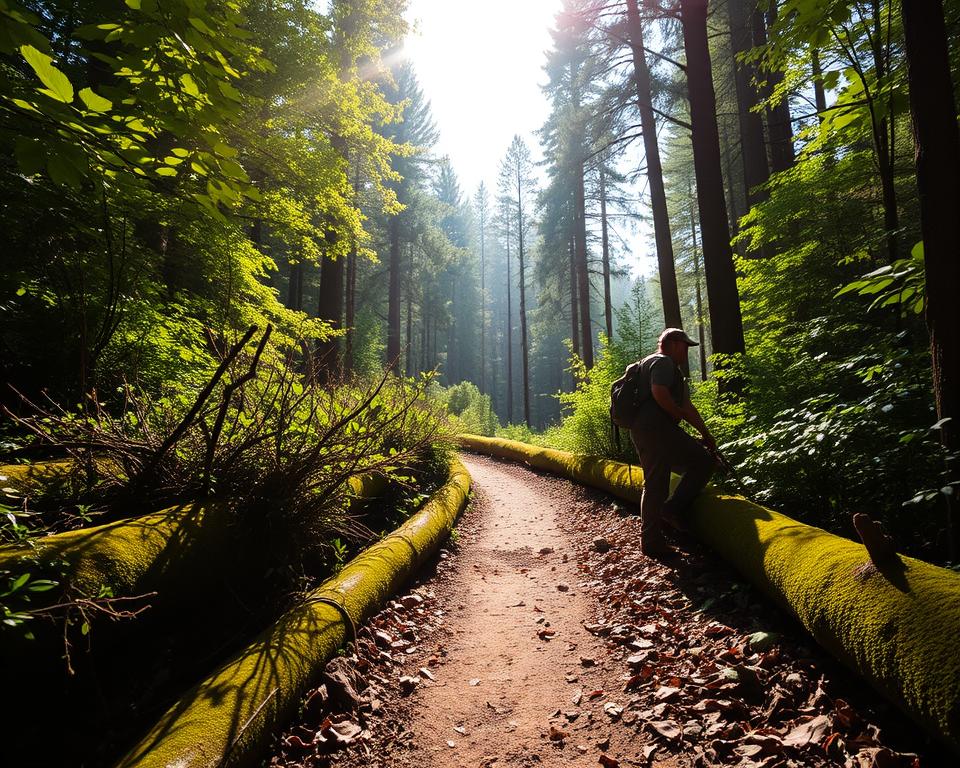
Expert Tips: Open Routes in Wooded Property
Have you know almost 80% of property owners with forest grounds hardly explore beyond their lot? This figure underscores the vital need for effective path clearing and upkeep. Clearing routes and footpaths in forest zones not only enhances accessibility but also enhances security and wayfinding. This article will delve into expert methods and insights from experienced trail builders.
These professionals will share how to create properly-planned trails that optimize your outdoor area’s usefulness while maintaining its environmental integrity. Uncover the key considerations for forestry mulching and methods for effective forest grounds maintenance services. These can render your experience through your outdoor surroundings more delightful.
Key Takeways
- Understanding the value of clearing paths for reach and security.
- Assessing site attributes to define the objective of your trails.
- Employing the appropriate tools for efficient path opening.
- Choosing appropriate ground materials that align with landform.
- Adopting eco-friendly methods when opening paths.
- Recognizing frequent mistakes to avoid during the path-opening process.
Significance of Path Clearing in Woodland Estates
Maintaining open routes in wooded areas is vital for several reasons. It significantly improves accessibility, enabling it easier to traverse thick foliage. This allows property owners and guests to fully enjoy the environment. It also supports various activities like hiking, bird watching, or just relishing nature.
Boosting Access
Clear paths do more than just facilitate travel; they also deepen our link with nature. By improving approachability, landowners open up the open air to a wider audience. Such benefits is useful for personal use or group gatherings, fostering discovery and appreciation of the surroundings.
Promoting Safety and Navigation
The significance of security on forest trails is paramount. Marked paths offer clear navigation and reduce risks from rough ground, hidden obstacles, or sudden vegetation changes. Landholders commit in establishing safe paths, increasing assurance in wilderness exploration.

Planning Your Woodland Trail
Effective path design requires a thorough knowledge of the landscape. It is about evaluating terrain and location conditions. Understanding the trail’s goal is also crucial, as it informs design and maintenance.
Assessing Ground and Location Attributes
When evaluating terrain, multiple elements are critical. They include:
- Soil types that influence water flow and steadiness
- Slope degree impacting accessibility and safety
- Current plant life that may require removal or preservation
By evaluating these factors, paths can endure various weather conditions. Such routes also accommodate frequent foot traffic. This approach guarantees the path is long-lasting and honors the ground’s original characteristics.
Setting the Trail Objective
Trail design achievement relies on a clear objective. Consider the activities the path will support, such as:
- Leisurely strolling and nature enjoyment
- Access for maintenance or land management
- Opportunities for wildlife observation and education
Understanding the trail’s purpose directs multiple choices. This includes the path’s width and building supplies. Identifying the trail’s goal is crucial for creating a path that fulfills its requirements.
Tools Needed for Trail Clearing
Effective path clearing requires the right tools for different jobs. The appropriate tools boost productivity and security, streamlining the procedure. The choice between manual tools and motorized equipment varies with the project’s size, terrain, and amount of debris.
Key Manual Instruments
Manual implements are essential for precision and flexibility in opening overgrown zones. Crucial implements include:
- Loppers: Ideal for slicing thick limbs and shrubs.
- Hand saws: Perfect for precision slicing on trees.
- Ho-dads: Handy for digging and creating drainage ditches.
These tools offer a hands-on approach, essential for sensitive spots where heavy equipment could damage.
Power Tools for Productivity
For big trail clearing jobs, motorized devices are a game-changer. Such equipment make the task speedier and more efficient. Crucial tools include:
- Chainsaws: Excellent for felling large trees and slicing dense underbrush.
- Brush-cutters: Fast for clearing dense grass and young shoots.
Power equipment reduces opening duration, making it suitable for extensive zones. Safe operation is imperative to prevent accidents.
Strategies for Clearing Paths and Trails in Wooded Property
Opening paths and trails in wooded grounds requires careful planning. It’s essential to balance practicality with sustainability. Efficient vegetation management ensures the environment’s balance while creating functional routes. This balance is key to a pleasant outdoor encounter.
Managing Dense Plant Life
Targeted removal methods are essential when dealing with overgrowth. Manual implements allow for accurate removal of undesirable plants without damaging the ecosystem. This method promotes the flourishing of preferred plants while restraining foreign ones. Ongoing maintenance stops resurgence, enhancing path security and accessibility.
Creating a Sustainable Pathway
A eco-conscious route layout is more than aesthetic; it involves selecting materials that reduce soil loss and improve water runoff. These methods respect the natural landscape and lessen environmental harm. Employing native stones or recycled timber supports durable durability and ecological harmony. Thoughtful design strikes a equilibrium between usability and environmental preservation.
Trail Surface Options: Finding the Right Fit
Selecting the right trail surface is critical for both functionality and longevity. The decision between natural and artificial coverings affects upkeep, user experience, and trail longevity. Knowing the different options and their suitability for your terrain is crucial to creating an ideal route.
Organic versus Synthetic Trail Covers
Natural surfaces, such as pebbles, crushed stone, or mulch, are often more affordable. They integrate well with the surroundings, facilitating drainage and a organic look. In contrast, man-made surfaces like masonry tiles are more durable and appropriate for intensive traffic. Every type has its benefits and drawbacks, depending the planned application and climate factors.
Selecting Materials per Ground Type
Selecting the right materials involves evaluating ground composition, drainage needs, and budget. Here’s a basic guide to popular materials:
| Material | Advantages | Disadvantages | Cost per Square Foot |
|---|---|---|---|
| Gravel | Affordable, Effective water flow | May need frequent replenishing | $1 – $3 |
| Crushed Stone | Stable surface, Natural look | Potentially slippery when wet | $2 – $5 |
| Wood Chips | Environmentally friendly, Comfortable to walk on | Requires regular replenishment | $1 – $2 |
| Concrete Pavers | Tough, Minimal upkeep | Higher upfront cost | $5 – $15 |
Thoughtfully selecting trail surface materials guarantees your routes are practical and compliment the area’s scenic appeal.
Constructing Elevated Walkways
Creating trails in wooded grounds requires thoughtful consideration of elevation changes. This is key for smooth transitions across different landforms and ensuring path usability over time. Building bridges for paths is often necessary, mainly when spanning marshy spots or natural depressions.
When to Consider Elevation Changes
Height in path layout is often due to irregular ground. Major level changes require builds like bridges or raised walkways to preserve path soundness. This approach helps avoid soil erosion and ensures security, essential for both leisure walkers and serious outdoor enthusiasts.
Materials for Building Bridges Over Wet Areas
The selection of supplies for turnpikes and bridges is critical for their security and durability. Timber beams, concrete blocks, or treated lumber can provide the required support against weight and environmental factors. It’s important to choose supplies that are water-resistant to avoid degradation and allow subsequent modifications.
Sustaining and Servicing Trails
Keeping paths secure and open requires continuous maintenance. Regular checks assist in spotting issues early, making sure visitors have a good time. It’s vital to maintain trails throughout the year, as weather changes can damage them. This section will outline a detailed maintenance checklist and the advantages of employing expert trail maintenance services.
Year-Round Upkeep Tasks
A thorough checklist helps trail owners maintain their paths in prime condition year-round. Important tasks include:
- Removing debris such as downed limbs and leaves.
- Checking path layers for damage, following bad weather.
- Assessing water channels to prevent flooding.
- Fixing soil washout by supplementing gravel as needed.
- Refreshing markers and markers for clear direction.
Expert Path Care Providers
For those needing professional assistance, specialized path care solutions are a excellent choice. They offer:
- Thorough path evaluations by skilled experts.
- Advanced repairs and rehabilitation of busy paths.
- Employing specialized machinery for improved surface care.
- Implementing sustainable practices to extend path longevity.
Engaging professional trail maintenance saves time for additional activities. It also introduces expert knowledge.
Landscaping Surrounding Paths
Landscaping is key to rendering trails attractive. By carefully choosing flora and materials, you can create an welcoming environment. This not only attracts guests but also supports local ecosystems. The ideal plants for paths provide aesthetic appeal and maintain ecological balance.
Incorporating Flora for Aesthetic Appeal
When designing trail landscaping, picking the appropriate flora is essential. Native plants are perfect as they naturally blend with the surroundings. They require less care and offer habitat for local wildlife. Combine blooming flora, bushes, and turf for a diverse, appealing setting around trails.
Employing Borders and Rock Edges
Border supplies like stones and pavers are important for trail structure. They outline the path and contribute to its aesthetic. These materials stop soil erosion and provide a neat contrast with plants. Employing different textures and colors can render the trail more engaging.
Eco-Friendly Path Preparation
Trail clearing tasks should prioritize environmental sustainability. Responsible land management methods help protect the area’s environmental health. This method makes sure paths coexist with nature harmoniously.
Eco-Friendly Clearing Methods
Embracing sustainable practices in path clearing is critical. Low-impact techniques reduce land degradation and protect ecosystems. Selective clearing and biodegradable materials reduce damage.
Understanding the ground and vegetation is key. It aids responsible clearing and improves path functionality.
Impact on Local Wildlife and Flora
Wildlife impact assessments are vital in path construction. They help measure the project’s impact on local fauna and flora. This permits for necessary changes before building starts.
Spotting critical habitats prevents ecosystem disruption. This balance guarantees a vibrant environment for all.
Trail builders can create sustainable routes with thoughtful planning. This focus to eco-friendly practices and wildlife well-being enhances nature engagement. It reconciles leisure pursuits with eco-protection.
Common Mistakes to Avoid While Trail Clearing
Engaging in path opening demands steering clear of frequent errors to avoid long-term problems. Recognizing these mistakes allows for improved planning and execution. By emphasizing simple path design and addressing water flow, one can prevent costly upkeep demands.
Overengineering Trail Layouts
Path design often falls into the trap of overengineering path design. Numerous enthusiasts think elaborate designs render trails more attractive. However, simplicity is often the key to success. Simple routes improve wayfinding and upkeep, minimizing hurdles.
Avoidable turns and intricate features can lead to path design errors. These problems complicate utilization and wayfinding, making trails less pleasant.
Ignoring Drainage Needs
Neglecting water control challenges in trails can have severe consequences. Proper water management prevents logging, which can wash out paths and damage landscapes. Adequate water control measures are crucial for a durable path.
Ensuring proper runoff from the path protects the route and protects the ecosystem. This allows for a more pleasant nature excursion.
To Summarize
Path clearing is vital for those who wish to fully enjoy their forest grounds. It enhances ease of access and security, making exterior areas enjoyable for everyone. Woodland trails provide more than just scenic appeal; they offer chances for recreation and education about the environment.
Successful planning and implementation are crucial in path clearing. Evaluating ground and selecting the right materials are vital for establishing durable routes. Ongoing maintenance ensures these paths safe and open, fostering a continuous connection with the outdoors.
By understanding the ideas outlined here, you can plan and upkeep paths that fulfill both functional and leisure purposes. Embracing woodland paths can transform your grounds into a haven for exploration, rest, and appreciating nature.