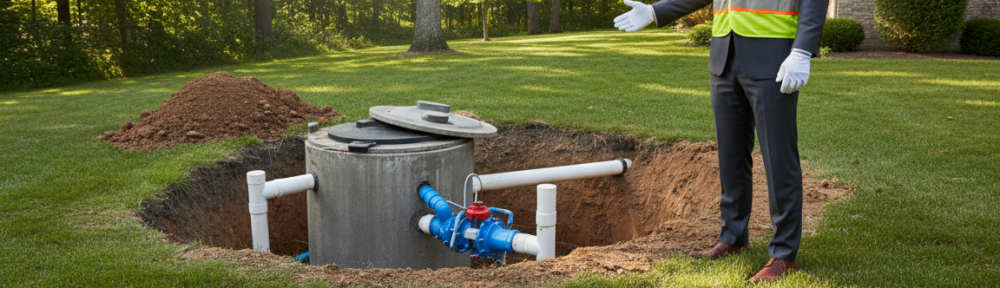
Regular care of this essential infrastructure stops major problems. Good stewardship avoids breakdowns that cause pricey plumbing repairs and hazards. Understanding the investment necessary for this crucial task aids property owners budget efficiently.
Find out more about septic pumping

Read online about septic pumping

Online reference about septic pumping
The national average for this essential upkeep task is approximately $420. Many residents can expect to spend between $290 and $560 for expert attention to their wastewater treatment setup. This preventative expense defends against far more expensive repairs.
This article from Septic Services of LA provides concise, authoritative insights. It analyzes the factors determining your service cost for this essential home maintenance. Understanding these aspects empowers smarter financial planning and educated choices regarding your property’s wastewater management.
Typical Costs For Septic Tank Cleaning
Planning for essential home wastewater management starts with understanding standard service fees. This budgeting strategy helps homeowners avoid surprises when booking required service.
Typical National Costs And Fees
Across the United States, the typical price for this vital service hovers near $400. Most homeowners pay charges between $290 and $560 for full attention to their underground disposal system.
Location-based differences in workforce costs and waste laws can affect this range. Such location-based factors will get thorough discussion in the following part.
Cost Breakdown By Tank Size
The biggest influence of your total cost is the capacity of your septic tank. Experts typically calculate prices on a per-gallon basis, varying from $0.23 to $0.40 for each gallon.
The majority of single-family homes utilize units between 750 and 1,500 gallons. A 1,000-gallon tank is common for a family of four, while bigger households often require 1,250-gallon capacity.
| Unit Volume (Gals) | Approximate Price Range |
|---|---|
| 750 | $175 – $300 |
| 1,000 | $225 – $400 |
| 1,250 | $275 – $500 |
| 1,500 | $345 – $600 |
| 1,750 | $400 – $700 |
Bigger tanks incur higher upfront fees for the pumping process. Conversely, their larger capacity frequently permits longer intervals between required service calls.
This balance impacts long-term budgeting for residents. A expert assessment can identify the best timeline for your unique household needs.
The bill from a certified company like Septic Services of LA covers various components. Labor for the experts, operation of specialized equipment, and safe removal of effluent all contribute to the total.
Understanding these elements enables precise financial preparation. Homeowners can determine their likely system size and associated price bracket utilizing this data.
What Affects The Price Of Septic Pumping?
Several elements dictate what homeowners ultimately spend for their septic maintenance. Aside from the basic capacity of your unit, a few logistical factors directly impact the final invoice.
Comprehending these elements enables accurate budgeting. Doing so also helps when seeking detailed estimates from septic companies.
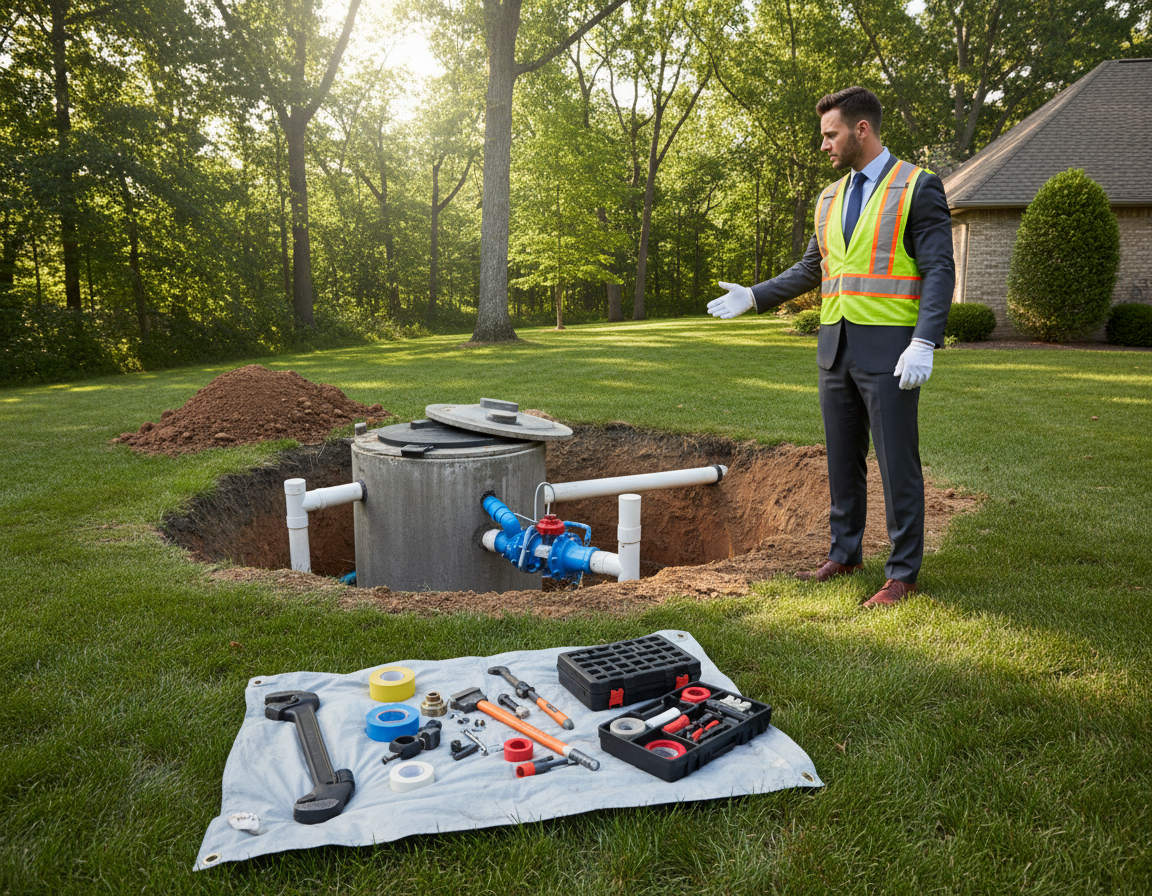
Tank Size And Capacity
The volume of your septic system are the main cost driver. Larger units contain more waste, needing more time and resources to clean properly.
Technicians usually charge according to the volume of waste removed. A standard 1,000-gallon tank for a four-person home fits into a common fee range.
Bigger capacities, like 1,500 gallons and up, command increased costs. However, they frequently permit longer intervals separating necessary pump-outs.
The Impact Of Where You Live
Where your property is situated heavily affects maintenance costs. Regional differences in wages, dumping fees, and general cost of living cause wide disparities.
For instance, residents in Minneapolis might see costs between $180 to $280. In contrast, the identical essential service in Portland might run from $440 and $750.
Regional supply of qualified technicians and waste treatment plants also factors in. Such location-based factors are usually fixed and must be accounted for in your financial plan.
How easy it is for technicians to reach your underground unit is a significant cost factor. Unobstructed, accessible access ports ensure a straightforward and quicker job.
Obstructions increase duration and effort. Hidden covers, landscaping features, decks, or patios can complicate the process.
Hardened soil in cold seasons presents an additional hurdle. Such access problems usually tack on $50 to $200 to the base service rate.
An initial inspection can identify likely issues. Talking about these with your provider upfront prevents surprise charges later.
System Health And Past Care
The condition of your wastewater system when the truck arrives greatly impacts the effort needed. A cared-for system with routine service is far simpler and quicker to pump.
Lack of care results in issues. Ignoring routine pumping allows waste solids to solidify.
Extracting this hardened material demands extra work and potentially specialized, high-power equipment. This situation can add $100 to $300 to a regular pump-out fee.
Consistent, proactive care is the most effective method for managing ongoing wastewater system expenses.
The regularity of previous maintenance impacts present state and cost. Setting up a routine plan with a trusted provider like Septic Services of LA stops degradation.
Other bill modifiers include system type, such as conventional versus aerobic units. Extra tasks such as effluent filter cleaning or diagnostic camera inspections also add to the total.
Property owners should evaluate these factors before seeking quotes. Providing details about access, previous pumping, and tank model results in more accurate quotes.
The Critical Importance Of Regular Pumping
Regarding routine maintenance as an optional cost is a common misconception for people with septic tanks. This view overlooks the crucial part that routine pumping has in protecting a property’s value and avoiding catastrophic failures.
The investment in regular care offers benefits well past simple operation. It is a smart plan to managing one of a property’s most critical infrastructures.
Avoiding Expensive Breakdowns And Clogs
Neglect allows solids to build up within the tank. Over time, sludge layers grow and solidify, diminishing the room for liquid treatment.
This accumulation ultimately hits the outlet pipe, carrying untreated waste straight into the leach field. The drainage soil then gets blocked with organic matter, sacrificing its capacity to clean and disperse effluent.
The immediate results of this breakdown are severe and immediate. Residents may experience slow-moving drains all over the home or complete blockages in toilets and sinks.
Even worse, untreated sewage can flow back into tubs, commodes, and sinks. Bad smells frequently invade either interiors and exteriors, indicating a serious public health concern.
Standing, dirty liquid may show up on the lawn over the drainage field. This visible sign signals total system malfunction and demands immediate professional intervention.
The financial contrast comparing routine care and urgent repairs is stark. A scheduled service call from a provider like Septic Services of LA is a foreseeable, manageable expense.
Emergency repairs for a failed system, on the other hand, can rise quickly. Fixing a damaged drain field frequently costs between $5,000 and $15,000, depending on the severity and soil type.
In worst-case scenarios, total renewal of the whole septic system may be required. This massive undertaking usually ranges from $20,000 to more than $50,000, covering digging, new parts, and yard repair.
This preventative approach renders regular attention one of the most prudent investments a property owner can make. It turns a potential crisis into a planned, manageable cost.
Safeguarding Home Value And Ecosystems
A properly functioning septic unit is a major value point during any real estate transaction. Prospective buyers and professional inspectors thoroughly inspect this critical infrastructure.
Documentation of regular, professional maintenance offers compelling evidence of good care. It tells potential buyers that the property’s wastewater management won’t become an immediate, expensive problem.
On the flip side, signs of neglect or existing problems can stop transactions entirely or compel substantial discounts. No buyer wishes to inherit a looming money pit and hazard.
Proactive care preserves not only your home’s resale value and the local ecosystem’s health. It’s the sign of educated, responsible stewardship.
Protecting nature represents another compelling reason for diligent upkeep. A healthy tank effectively processes home wastewater, removing harmful bacteria and nutrients before discharging water into the ground.
An leaking system creates serious contamination risks. It can poison nearby aquifers, wells, and streams and lakes, causing public health hazards and violating local regulations.
Routine pumping guarantees the bacterial action inside the tank operates optimally. Doing so permits the safe breakdown of waste and correct filtering via the soil.
Establishing a relationship with a trusted firm like Septic Services of LA guarantees this crucial job is performed properly. Their expertise guarantees that sludge is pumped and discarded according to every environmental guidelines.
Concrete septic tanks, if well cared for, can remain functional for 40 years or more. This longevity relies on a consistent schedule of expert checks and necessary servicing.
The timing of required attention varies, but a general guideline suggests evaluation every three to five years for typical residences. Family size, water use habits, and tank volume each influence this schedule, which will be explained in the next section.
In the end, the scheduled, routine aspect of routine care offers peace of mind. It contrasts sharply to the money blow and health crisis of a total system collapse, making it an essential practice for any property owner.
How Often Should You Pump Your Septic Tank?
A tailored strategy to wastewater system care moves beyond generic timelines to address specific household needs. The schedule of required service is not universal.
Understanding the factors that affect this timeline helps residents develop an efficient care strategy. Doing this stops both unnecessary expenses and possible breakdowns.
EPA Guidelines And General Rules
The EPA provides a baseline rule for residential wastewater systems. They recommend an yearly check-up and a thorough cleaning approximately every 3-5 years.
This interval acts as a reliable benchmark for the majority of houses. A typical 1,000-gallon tank used by a family of four typically fits this window.
The check is vital for evaluating the system’s health between pump-outs. It can spot small problems prior to they grow into major repairs.
Following this standard helps keeping the bacterial action that treats sewage. It ensures sludge do not overflow into the leach field, which can cause costly environmental issues.
The table below connects family sizes and system capacities with suggested pumping frequencies. These estimates presume normal water use and no garbage disposal unit.
| Number of Residents | Tank Capacity (Gallons) | Suggested Pumping Interval |
|---|---|---|
| 1 person | 1,000 | Every 5 years |
| 2 people | 1,000 | Every 5 years |
| 3 people | 1,000 | Every 3-4 years |
| 4 people | 1,000 | Every 2-3 years |
| 5 people | 1,250 | Every 2 years |
| 6+ people | 1,500 | Every 1-2 years |
Utilizing the standard EPA guideline as a guide permits homeowners to build a customized schedule that fits their real habits, not just a textbook estimate.
Usage Habits And Family Size Impact
Several critical factors can significantly accelerate the accumulation of solids in a wastewater system. These elements might require changes to the standard service timeline.
The main drivers are:
- Household Size: More residents mean increased flow flowing into the tank and more waste being processed. A house with six residents will fill its tank much faster than a two-person household.
- Total Water Use: Routines like long showers, washing clothes often, and running dishwashers daily boost water volume. This action reduces the effective treatment time inside the tank.
- Garbage Disposal Use: These appliances add significant organic waste that do not decompose easily. Households with disposals might need annual attention to avoid early breakdowns.
Conversely, specific situations can securely extend the interval closer to the five-year limit. Holiday homes occupied part-time see much less stress on their wastewater infrastructure.
Homes with modern plumbing and careful usage also reduce the load. Low-flow toilets, fixtures, and efficient washers create a noticeable difference.
Other considerations include the volume of detergents, cleaning agents, and chemicals poured into the pipes. Harsh products can harm the natural bacterial action needed for waste breakdown.
The most cost-effective strategy is to create a custom plan rooted in your unique situation. Begin with the standard 3-5 year guideline, and adjust according to your household’s specific patterns.
A professional evaluation from Septic Services of LA can provide exact advice. Their experts can measure solid buildup and suggest the optimal frequency for your home.
This strategy avoids either unnecessary service calls and the damaging consequences of overflowing. It signifies smart stewardship of an vital home component.
Warning Signs Of A Full Septic Tank
The difference between regular care and an emergency often lies in spotting early warning signs. Your buried system signals problems through specific symptoms inside and outside your house.
Recognizing these signals allows for quick professional intervention. This stops small glitches from growing into major, disasters.
Signs Within The House
Interior plumbing problems often offer the first clues of a backed-up tank. When multiple fixtures are impacted simultaneously, the cause is likely the main system.
Slow-moving drains in bathrooms, sinks, and tubs are a clear warning. Commodes that flush poorly or back up into the bowl signal a major clog.
Homeowners may hear bubbling noises from drains when using the toilet or using sinks. These noises suggest trapped air in the lines due to a blockage downstream.
Bad smells coming from drains or the lower level are a danger signal. This smell indicates that gases from a full tank are venting back into the living space.
It is vital to differentiate a system-wide issue from a simple, localized clog. A single slow sink is usually a pipe problem. Several slow drains suggest the septic tank.
Exterior Symptoms And Landscape Clues
The ground surrounding your leach field offers visible evidence of system health. Changes here often signal that the unit is overflowing and cannot process waste.
Puddles or wet, soft soil above the leach zone is a major concern. This wetness happens when the ground cannot absorb liquid from an overloaded system.
Unpleasant sewage smells in the yard, particularly around access points, are a direct warning. These odors mean sewage is not being contained and managed well underground.
One more clue is inexplicably lush, green grass directly over the system. This happens because leaking, fertilizing waste acts as a fertilizer.
Accumulated, dirty liquid on the grass is a definite sign of complete failure. This event requires urgent action to prevent environmental contamination.
When your lawn turns into the sign of a issue, the window for routine care has passed. Urgent expert help is essential to save your property and the surroundings.
The science behind these symptoms is simple. Standing water means the drain field is saturated and breaking down. Smells imply venting problems or that waste is spilling out.
Lush grass is fed by the nitrates and nutrients in untreated wastewater. Each symptom points to a stressed tank that cannot perform its essential function.
| Full System Warning Signs | Localized Plumbing Issues |
|---|---|
| Slow drainage everywhere | Single clogged drain |
| Bad smells in multiple rooms | No odors |
| Gurgling sounds in various pipes | Silent drains |
| Standing water over the entire leach field | Dry yard with no soggy spots |
| Green patches over tank | Uniform lawn health |
Ignoring these signs brings significant risk. It can lead to waste flowing into restrooms and cellars. Such an event creates a severe health hazard and requires huge, costly cleanup.
The resulting damage often necessitates not just an urgent pump-out, but also expensive field restoration. The total expense far exceeds the cost of a routine service call.
At the first sign of these issues, contacting a professional is the smartest move. A provider like Septic Services of LA can perform a thorough inspection.
They will determine whether the problem is a basic block or a full tank requiring urgent pumping. This quick response can prevent a full-scale environmental and plumbing emergency.
Identifying these clues is a key part of responsible homeownership. It changes emergency stress into managed, informed decision-making for your property.
Selecting A Septic Service Provider: What To Look For
Securing a trustworthy company for this necessary job requires a list of essential qualifications and quality benchmarks. The best selection safeguards your home, guarantees legal adherence, and provides long-term value.
This framework helps property owners evaluate providers methodically. It goes deeper than price to assess skill, safety, and expertise.
Vital Documentation For Contractors
Checking a company’s legal standing is the most important step. This research shields you from liability and guarantees work follows regulations.
Always ask for evidence of a current state license for septic operations. This license confirms the contractor has passed tests on installation, servicing, and local laws.
Comprehensive insurance is mandatory. You should verify proof for both liability and worker’s comp.
Liability insurance pays for any accidental damage to your home while they work. Worker’s compensation protects you if a technician is injured on your property.
Trustworthy companies also hold licenses for sewage disposal. They must transport and process pumped waste at legal sites, not dump it elsewhere.
The chart following outlines the core documents to ask for and their importance for your safety.
| Paperwork To Check | Why It Matters |
|---|---|
| State License | Ensures technical knowledge and legal authorization to perform the work. |
| Liability Coverage | Covers damages to your property. |
| Worker’s Compensation Insurance | Protects you if a worker gets hurt. |
| Environmental/Waste Disposal Permit | Guarantees hazardous material is handled and disposed of legally and safely. |
Evaluating Service Transparency And Value
Once credentials are confirmed, evaluate the company’s practices. Openness in talking and pricing shows professionalism.
Obtain printed, itemized estimates from at least three licensed providers. A full estimate ought to show all potential charges.
Look for specific costs like the base service fee, inspection fees, effluent filter cleaning, and extra charges for hard-to-reach tanks. This prevents hidden costs on the invoice.
Check the company’s equipment. Top companies utilize dedicated vacuum trucks built for hazardous waste.
These specialized trucks, representing a significant investment for the company, are essential for a thorough, efficient job. They are not standard trash pumps.
Research the company’s reputation thoroughly. Check online reviews on the BBB, search engines, and trade websites.
Ask for references from neighbors who have hired the company. A long history in business usually correlates with reliable, consistent maintenance.
Finally, get everything in writing. The service agreement should outline the scope of work, warranty terms, and the emergency plans.
An upfront, detailed quote and a clear service agreement are the hallmarks of a good company. They show respect for the client and confidence in their services.
Why Choose Septic Services Of LA
As an leader in the field, Septic Services of LA surpasses all points on this checklist. They embody the standards customers should seek.
The staff holds every necessary California state licenses and environmental permits. Insurance papers are shown quickly to every client for peace of mind.
The estimation method is meticulous and educational. They provide easy-to-read, quotes that explain each charge, helping homeowners know precisely where their money goes.
Septic Services of LA operates a new lineup of dedicated vacuum trucks. This professional equipment ensures the pumping job is finished quickly and securely, protecting your drain field.
Their commitment to customer satisfaction is shown in stellar online reviews and word-of-mouth recommendations. They provide written warranties on their labor and maintain a clear, plan for urgent problems.
Selecting a certified expert like Septic Services of LA is an step in a quality work. It ensures the maintenance safeguards your house, complies with all regulations, and gives confidence for years to come.
What To Expect During A Professional Pumping Service
Knowing the sequence of events in a professional maintenance visit helps reducing stress and prepares homeowners for the process. This clarity transforms a necessary service from an unknown into a easy, routine job.
Homeowners feel better understanding what occurs on appointment day. They can ready their yard correctly and ask informed questions.
Pre-Service Preparation
What you need to do prior to the technician arrives ensure a smooth, efficient job. Proper preparation reduces delays and potential additional costs.
First, find and flag your tank lids. These are usually concrete lids in the yard, often near the house.
If lids are buried, uncover them before the visit. Doing so saves labor time for the pumping crew.
Clear the zone surrounding the lids of all obstacles. Move vehicles, chairs, and children’s toys from the work zone.
Keep animals indoors for their safety and to avoid issues amidst the job. Make sure fences are open for equipment access.
Finally, make a note of any current issues or unusual signs. Share this information with the driver upon arrival.
The table below outlines the division of responsibilities for a typical service call.
| Your Job | Technician Responsibilities |
|---|---|
| Find and flag lids | Confirm tank spot |
| Clear the work area of obstacles | Set up safety equipment and barriers |
| Secure pets and provide access | Operate specialized vacuum equipment |
| Note any recent system issues | Check the tank health |
| Be available for consultation | Provide detailed findings and recommendations |
How The Tank Is Pumped
When they arrive, certified technicians from a provider like Septic Services of LA start a systematic process. This method ensures thorough attention to your septic infrastructure.
The operator first checks the spot and uncovers the tank lids if needed. They then connect suction hoses to the tank.
A suction line from a dedicated truck-mounted system is placed inside. This specialized equipment extracts everything systematically.
The pump extracts scum, effluent, and sludge totally. This typically takes two to three hours for standard-sized houses.
Larger systems or those with access difficulties might need more hours. The technician watches the process to verify total emptying.
A pump-out is more than cleaning—it’s a full check-up of your septic system.
Following evacuation, a thorough inspection is performed. The expert looks at the interior for leaks, damage, and baffles.
Outlet filters are washed if present. The leach field is checked for problems or wet spots.
The pumped sewage is hauled in tankers to legal dump sites. These facilities operate following strict environmental regulations.
Documentation records the waste from your property to the plant. This tracking guarantees adherence to laws.
The service ends with a full report for the homeowner. Technicians note the tank health and plan future maintenance needs.
Suggestions for any necessary repairs are provided. An suggested time for the next service is proposed depending on size and use.
This thorough method by experts like Septic Services of LA creates confidence. Clients understand the worth in systematic, professional care.
Understanding this process empowers better care for your home. It changes a necessary service into an informed partnership for lasting reliability.
Smart Maintenance Tips To Extend Time Between Pump-Outs
Simple adjustments to household routines provide a powerful strategy for reducing maintenance frequency and costs. Daily habits directly influence the health and performance of your underground wastewater treatment infrastructure.
These proactive measures work with professional attention from pros like Septic Services of LA. Combined, they create a solid plan to system stewardship.
Using these tips lowers stress on your residential disposal setup. Doing so lengthens the time separating necessary service visits and protects your investment.
Saving Water And Reducing Load
Controlling water flow is key for every septic tank. Excessive water flow overwhelms the tank and speeds up solid accumulation.
Begin by addressing leaky pipes immediately. A leaking commode can lose huge amounts of water daily, significantly shortening service intervals.
Install water-efficient fixtures in the house. Efficient shower heads, tap flow restrictors, and modern toilets greatly lower daily water volume going into the tank.
Spread out water-intensive activities throughout the week. Avoid running multiple laundry loads back-to-back, as this floods the leach field with more water than it can absorb.
Reduce usage of garbage disposal units if you can. Disposals grind food waste into sludge that add to solid content in the sewage.
Recycling food waste provides a superior alternative. This practice keeps food out of your plumbing and creating compost for gardens.
Items To Keep Out Of Your Septic
Your septic system relies on natural bacterial action. Certain substances hurt this bacterial cycle or cause clogs.
Only human waste and toilet paper should enter commodes. These things break down easily in the anaerobic environment of your disposal unit.
Avoid flushing any non-biodegradable products. Such as labeled “flushable” wipes, feminine hygiene items, napkins, and dental floss.
These items do not decompose like toilet paper. They accumulate, creating rags that clog lines, motors, and leach pipes.
Never pour FOG (Fats, Oils, Grease) down kitchen drains. These substances solidify in drains and within the tank, causing hard clogs.
Harsh chemicals are a big danger. Paint, poisons, solvents, and too much bleach destroy the essential bacteria that digest organic waste.
Even common household cleaners should be used sparingly. Opt for septic-safe products that maintain the bacteria in the tank.
| Item to Avoid | Why Avoid It | Result |
|---|---|---|
| Wet wipes | They don’t rot; they clump | Clogs pipes, pumps, and distribution lines |
| Grease/Oil | Solidify into hard masses | Creates blockages throughout the system |
| Chemicals/Paint | Kill essential waste-digesting bacteria | Stops the system working |
| Tampons/Pads | Expand and do not decompose | Blocks inlet/outlet pipes; requires emergency service |
| Pills/Drugs | Harm bacteria; poison water | Pollutes nature |
| Coffee grounds | Turn into thick mud | Fills tank fast |
Yard care of your property also helps system longevity. Avoid putting heavy vehicles on top of the drain field area.
Doing this compacts soil, lowering its ability to soak up and filter wastewater. Grow plants far from pipes to prevent root intrusion.
Direct downspouts and rainwater away from the drain field. Too much rain from rainfall can saturate the soil, hurting its ability to work.
Daily mindfulness regarding what goes down your drains is the best protection for your septic tank. Along with expert pumping, it builds a sustainable management strategy.
These simple habits directly correlate with extending the interval between professional pump-outs. Reduced water inflow and correct flushing delay the buildup of solids.
This lowers the rate of pump-outs, cutting costs in the long run. It also minimizes stress on all components, from lines to the drain field.
Using these tips represents smart, proactive ownership. Together with regular checks and pumping from Septic Services of LA, homeowners get dependable service.
This combination between daily diligence and professional expertise makes sure your wastewater infrastructure operates efficiently for years. It turns regular maintenance into a smart move in your home’s health and worth.
Summary
A few hundred dollars invested in regular maintenance can stop massive repair costs. This article demonstrates that knowing your wastewater system’s needs is fundamental to saving money.
The typical cost of $290 to $560 is a prudent investment. It safeguards against failures that might cost a fortune to fix.
Create a proactive schedule based on your household’s size and usage. Hire a licensed pro like Septic Services of LA for legal pumping.
This method protects your home’s worth and the local environment. It ensures reliable performance for decades.
Take informed action today. Schedule an inspection, obtain quotes, and start daily care tips for lasting system health.
Related: Top Services For Septic Tank Pumping Palmdale Cleaning